
Don’t change the Landlord Fairness Code. Finish studying its outcome | Opinion
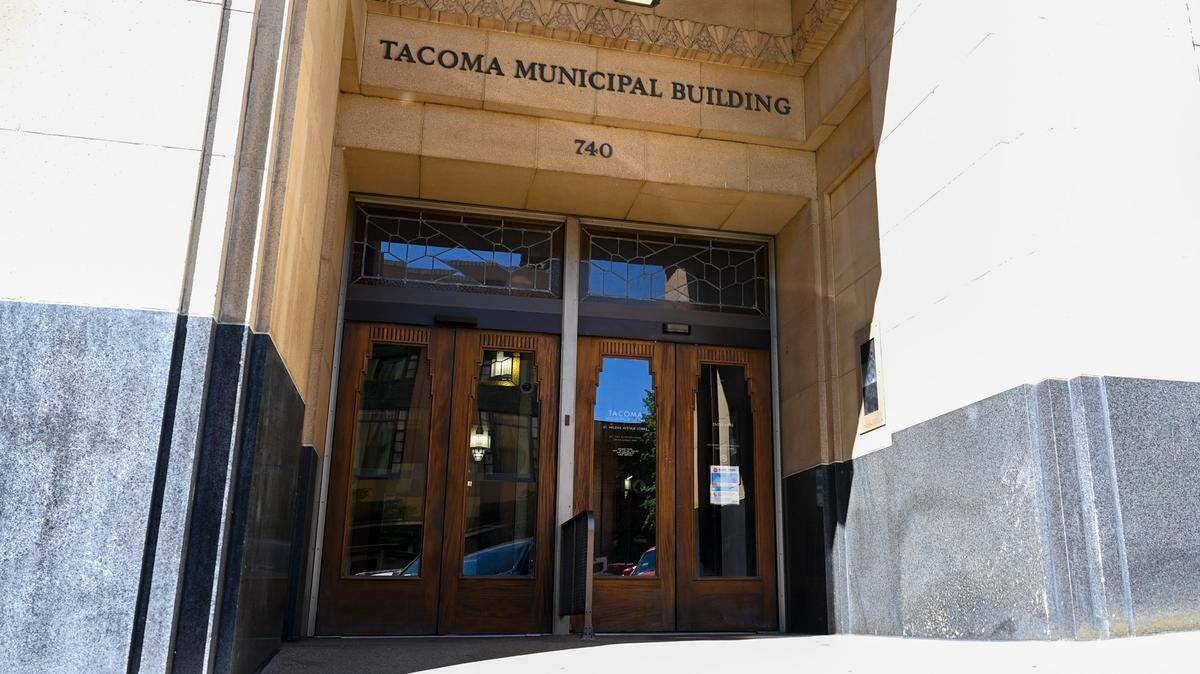
In February 2024, The News Tribune’s editorial board authored an opinion piece on Tacoma’s recently passed tenant protection initiative, the Landlord Fairness Code (LFC). They rightly noted the LFC won by a small margin and was deeply contentious, with tenants and housing advocates supporting, and landlords and lobbyists opposed. They also lauded an emerging study group — led by now-passed TNT opinion editor Matt Driscoll and former Tacoma Housing Authority director Michael Mirra — convening stakeholders on all sides to research the LFC’s effects.
The board argued the city is unequipped to study such things on their own and advocated for robust data collection, ending with a call to “let the data guide Tacoma’s response to the affordable housing crisis.” They then went one step further, saying “failing to gather the data and evidence policymakers will need to make the difficult decisions of the future would be an act of government negligence — not to mention an insult to the initiative’s supporters and critics alike.”
It’s now two years later and time to take stock before another contentious vote — this time entirely by City Council. The city has the right to modify the LFC as early as Dec. 8, but is under no obligation to do so. Yet Community Vitality and Safety (CVS) Committee Chair Sarah Rumbaugh has scheduled several meetings later this month — culminating in a special Study Session on Election Day — and landlords such as the Doblers are fundraising for Councilmember John Hines’ mayoral campaign with calls to “Repeal Measure 1.”
Rumbaugh and her CVS Committee seatmate Sandesh Sadalge are landlords, Hines has overwhelming support from the landlord lobby, and Rumbaugh and Hines openly opposed the LFC in 2023. All signs — including their own public statements — point to them quickly moving to repeal the contentious eviction protections and relocation assistance portions of the LFC. Meanwhile, city staff have admitted in multiple CVS meetings that they have obtained little data and will be mainly reliant on the study group results.
But what do the results say? How will the city use them to guide the process?
From the beginning, the study group struggled to fulfill its data collection goals. Driscoll’s tragic passing and an original academic departing were setbacks, and we’re all volunteers with other commitments. Most importantly — and through no fault of its own — the group has been unable to parse out Tacoma evictions from Pierce County data, unable to compare student homelessness and unable to gather longitudinal market data. This made us over-reliant on landlord and tenant surveys collected this summer, and listening sessions happening now.
Last Thursday, Evergreen Tacoma Professor Mike Craw joined Mirra to present summary results to the CVS Committee, with a plan to provide reports by the end of the month, and a final report with listening session results after analysis is complete (estimated for early next year). This short presentation was the committee’s first engagement with any results, and Craw shared the survey and summary data on demographics, rents, evictions and other top-level findings. Revealingly, both Rumbaugh and Councilmember Kristina Walker commented about “timelines not aligning” with their accelerated schedule.
The reports include valuable information on rental rates, payments and evictions. But certain populations (such as Black renters and those with evictions) are under-represented, and the opinion data, while helpful, reflects more on respondents’ economic and political biases than it does the LFC’s outcomes. Unsurprisingly, tenants tend to like the LFC and landlords tend to dislike it. The listening sessions will add deeper insights, but it will take the remainder of the year to code and analyze them. This is why study group participants decided collectively last Tuesday to request the city not act until after the listening sessions are written up.
Craw noted that outcome data may come later, but it’s too soon to make inferences. Real understanding requires combining deeper qualitative work, market data and disaggregated government data, not just opinion surveys. We won’t have this by mid November, but could obtain some of it in the coming months, helping inform council decisions. Tacoma For All is committed to continuing participation in a good faith manner. We believe other study group participants are, too, and we ask the CVS Committee and City Council to do the same.
All of these factors — whether via Driscoll’s tragic death, limited data, councilmember bias and electoral desires, or the simple need for more time — demonstrate the urgency for the city to not act hastily. Tacoma For All applauds the study group’s call to allow the process to complete, and we join a broadening coalition demanding that the city not rush to repeal, gather meaningful evidence, and negotiate with tenants before acting.
Anything short of this would be government negligence — exactly what the TNT feared two years ago, exactly what the study group was intended to avoid.
Bill Hanawalt is a longtime Tacoma nonprofit leader and steering committee member with Tacoma for All. Devin Rydel Kelly is a community leader and the co-director of Tacoma For All.