
Maybe $330,000 per year isn't enough for Tacoma's new utilities director
The new head of Tacoma Public Utilities will be paid about $330,000 a year to take on the job.
That sounds like, and is, a lot of cabbage. But in the realm of chief executive officer salaries, it's by no means huge. A lot of it will be eaten up by expenditures for aspirin, stomach antacid and whatever other medicines necessary to tamp down the headaches, ulcers and stresses that come with the job.
Make no mistake, being head of TPU is as much a CEO job as that at any publicly traded company and with a lot more responsibilities than most. If Starbucks screws up your coffee order this morning, your day is not ruined, nor is your life likely to be altered for months to come.
But let the electricity flicker off, especially in winter, and see if anyone notices. Fail to line up adequate long-term supplies of electricity and water and see if that has any impact on the residents and businesses in your service territory.
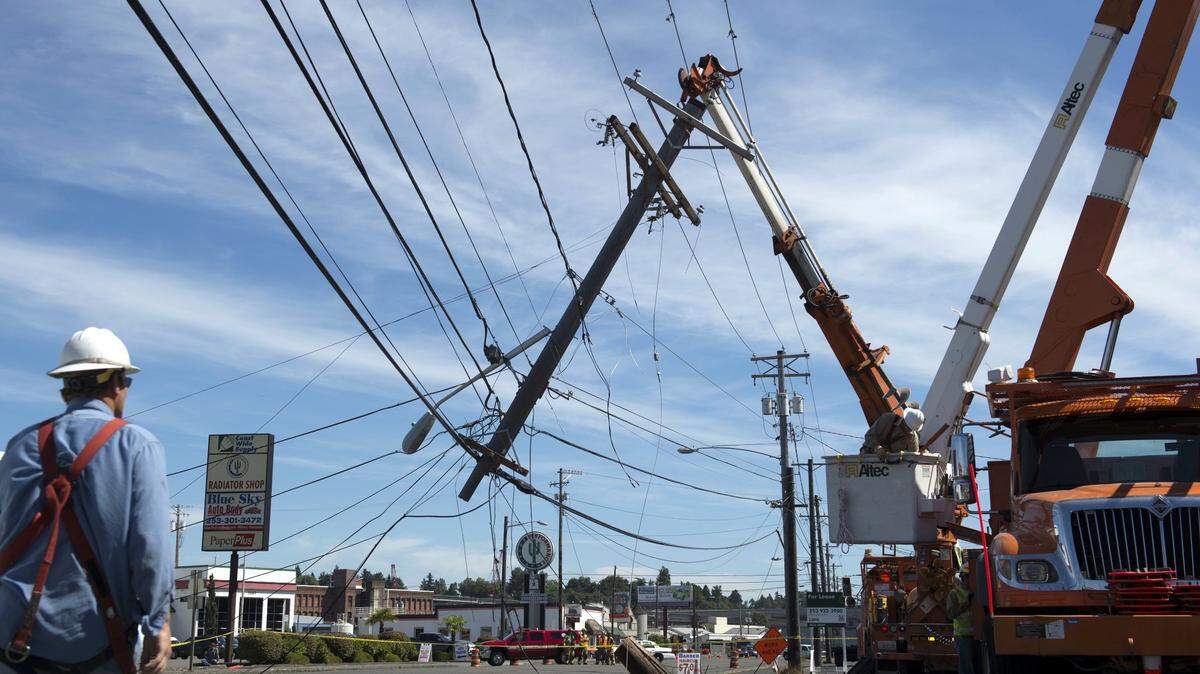
In short, the TPU director’s job comes with headaches and stomach upsets aplenty. Just keeping the place running as it’s supposed to is a huge challenge, given the sprawling physical plant. The utility operates 1,376 miles of water mains and2,365 miles of electric transmission and distribution lines, according to a TPU fact sheet. Those constantly are under attack by nature and humans, who are known to run into power poles and hit water lines during construction projects.
A utility executive has to think about tomorrow, next year and next decade. Where will new sources of supply come from? What existing infrastructure has to be replaced? How much is that going to cost?
And there are all the constituencies to be satisfied: the customers (ratepayers), regulators (in this case the City Council) and all sorts of community and activist groups who can be counted on to tell the utility that it’s doing too much or not enough about their specific interests.
That’s the normal stuff.
Now is an interesting time to be a utility executive, if by “interesting” you mean “a huge stack of controversies, trends, challenges and threats for which those executives better have plans, strategies and answers.”
Some are universal in the utility business, some are unique to Tacoma, all of them will require addressing:
Electric supply
If the region is going to continue growing as it has been — and short of a tech debacle to make the dot-com bust look like a slow afternoon, it will — it’s going to need more electricity. Conservation will help, and has, but, aside from lighting, a lot of the easy and inexpensive steps have been taken.
Meanwhile, generating capacity is being taken out of service in the form of coal-plant retirements. The hydro system, the Northwest’s main energy source, isn’t going to be expanded, and management for salmon affects power generation.
Renewables like wind and solar are growing in application as they come down in price, but they’re not free and they’re not dispatchable (i.e., you can’t crank them up to meet a demand surge resulting from a heat wave or cold snap). Battery technology will eventually solve some of those problems — but not today.
Natural gas is the reinforcing energy source for the grid, especially renewables, and it’s been inexpensive, but fossil fuels are considered heinous villains in some quarters. There’s interesting development work being done in the Northwest on small modular nuclear reactors, but we’ll see if the public is willing to even consider them. Whatever option an executive chooses is going to be expensive and generate controversy as well as electricity.
Competition from customers
One option is to let consumers and businesses figure out the supply issue for themselves, and a lot are doing that with rooftop solar. The issue for utilities is that they’ve still got to operate and maintain the grid’s connection to those homes and businesses, but they’re losing revenue to customers who are their own utilities.
Water supply
A growing region will need more water as much as it needs more electricity. Where’s it going to come from? Again, conservation helps. Meanwhile, every municipality in the region is figuring out how to wring more water out of the mountains.
Should those cities be so lucky as to find it, the next big question is who gets it. Should it be strictly for residential uses? What sorts of businesses should be permitted to tap into the supply? The fight over the liquid methanol plant — remember that? — was in large part a fight over water allocation and usages. The issue won’t go away just because the plant proposal did.
Click network
Tacoma isn’t alone in wrestling with the question of whether a power utility ought to be in the cable-and-broadband business, and if so how, nor is it alone in failing to find an answer that satisfies many.
Thus the new TPU director will have a desk piled high with contentious agenda items waiting for her. Welcome to town, good luck — and remember where the aspirin bottle is stashed.
This story was originally published June 16, 2018 at 4:03 PM with the headline "Maybe $330,000 per year isn't enough for Tacoma's new utilities director."