
New anthem policy perpetrates pseudo-patriotism
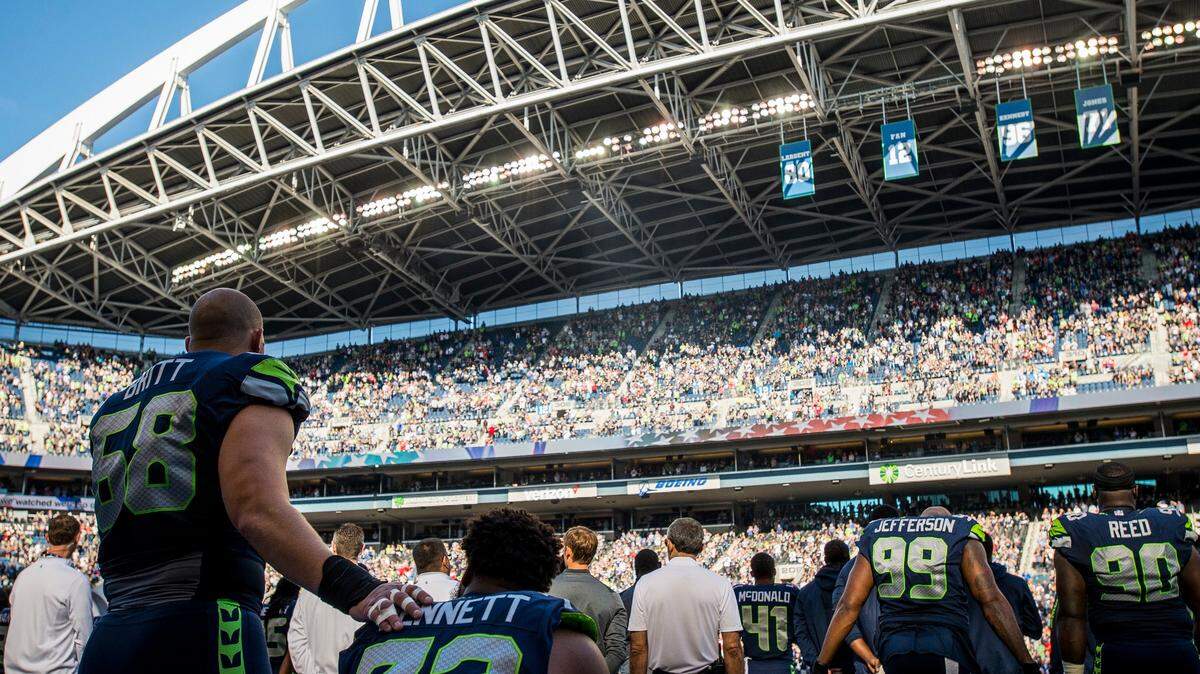
Memorial Day weekend, when flags are raised in neighborhoods from Tacoma, Washington, to Takoma Park, Maryland, is an ideal time to reflect on our national symbol, the people who bled for it, the respect it deserves and the liberty it represents.
The holiday probably wasn’t top of mind for the National Football League last week when officials announced their new policy for the national anthem, which requires players to stand on the sideline or stay in the locker room while it’s performed.
One might even point to the timing as more evidence of the NFL’s cluelessness. “Tone deaf” was how Doug Baldwin, the incisive, Stanford-educated Seattle Seahawks wide receiver, described the league’s clampdown on player protests.
On the other hand, it could make for provocative discussions about patriotism as you set out for your Memorial Day picnic, camping trip or department store white sale.
The way we see it, the flag should be cherished foremost as a symbol of what we hold most dear in this country: freedom, and more specifically, the First Amendment. That includes the fundamental right to protest openly in a public arena such as CenturyLink Field.
Yes, NFL players are team employees who technically don’t have unfettered free-speech rights in their workplace, the football stadium. But First Amendment values are so woven into America’s cultural fabric that for a professional sports league to abridge a silent, unthreatening pregame protest is foolish and self-defeating.
The NFL has lined up offsides on this issue, and we’d like to hear Seahawks owner Paul Allen explain his apparent complicity.
The anthem policy, adopted unanimously Wednesday by the league’s owners, says that any player who sits or kneels will subject his team to monetary penalties; the team, in turn, could fine players.
It’s intended to curtail sideline protests that mushroomed during the 2017 season, as players increasingly sought to draw attention to national concerns such as incidents of police brutality. Or, in some cases, draw attention to themselves.
The protests were met with a range of public reaction, from respect to disappointment to the hostile histrionics of President Trump, who seized the moment to pressure owners and throw red meat to his base. "Wouldn't you love to see one of these NFL owners, when somebody disrespects our flag, to say, 'Get that son of a b---- off the field right now, out — he's fired!'" Trump whooped at a rally in Alabama last September.
The Seahawks were in the center of the firestorm, as defensive lineman Michael Bennett became a regular anthem sitter and spokesman for the movement. Several teammates joined him.
Bennett, now a member of the Philadelphia Eagles and author of the new book “Things That Make White People Uncomfortable,” certainly knows how to make the NFL’s predominantly white team owners and league executives squirm.
We editorialized last fall that Bennett was entitled to use his professional platform — in this case, a sideline bench — to condemn what he believes ails his country. His critics were similarly entitled to boo him, burn his jersey, boycott Seahawks games or otherwise exercise their legal rights. The free-speech pendulum tends to find its center.
Leave it to the NFL, facing a 10-percent decline in TV ratings, to upset the balance with its new stand-or-retreat policy, doomed to fail for lack of input from the athletes.
If only we could reset the time machine 10 years, back to the end of an era when all players stayed in the locker room during the anthem and had no problem with it. Everything changed when the league found a rich vein of post 9-11 patriotism to mine, parading players onto the field to stand at attention.
A federal investigation in 2015 documented $10.4 million worth of marketing contracts between the military and professional teams over the previous three years, with the NFL reaping most of that revenue.
Can players be faulted for finding the pregame spotlight useful to promote their own causes and values?
Now that the genie has been let out of the bottle, she won’t go back in without a fight.
Lost in the resurgent controversy over proper displays of on-field nationalism are some questions that should make people of all skin colors uncomfortable:
Who decided “The Star-Spangled Banner” is a spectator sport?
What about the 68,000 people in the stands? Why should they be able to sashay down the stadium concourse with impunity — or visit the bathroom, line up for a beer or use their phone to place a bet on the game — while the anthem plays?
One redeeming idea that emerged from the NFL owners meetings last week came from Jed York, CEO of the San Francisco 49ers. He said he would shut down concession stand sales during the anthem, a move all owners should follow if they’re serious about the sanctity of the ritual.
It would be a small gesture, but one that begins to address the hypocrisy of American pseudo-patriotism.
Something to discuss with friends and family during your Memorial Day barbecue.
This story was originally published May 26, 2018 at 1:30 PM with the headline "New anthem policy perpetrates pseudo-patriotism."