
No, Canada: West Coast doesn't want your pipeline
Canadian Prime Minister Justin Trudeau and Washington Gov. Jay Inslee beamed with smiles and lofty environmental talk in May 2017 when Trudeau came to Seattle for a state visit of apparent kindred spirits.
Trudeau spoke of anti-pollution initiatives in British Columbia and other large provinces. Inslee reiterated his pledge to cap carbon emissions and exulted that he and Trudeau shared an “incredible commitment” to overcome climate change.
What a difference a year makes. Trudeau’s government in Ottawa announced last week it would buy the struggling Trans Mountain pipeline from a private company for $4.5 billion (in Canadian dollars). It’s expected to nearly triple capacity of crude oil carried from Alberta’s vast tar sands to B.C., where the dirty stuff will be shipped through the Strait of Juan de Fuca.
Inslee blasted a deal that will ramp up the risk of ecosystem degradation and potential catastrophe to the Salish Sea waters between Washington and Canada. With the purchase and planned expansion of the Kinder Morgan pipeline, oil tanker traffic is projected to grow from five ships to as many as 34 a week, as Canada looks to supply Asian energy markets.
“By purchasing this pipeline, Canada is aligning itself with a giant fossil fuel project that would take us backward in profoundly damaging ways,” Inslee said in a statement.
“I have expressed my concerns about this project repeatedly,” he concluded, “and I believe this is the wrong direction for our region.”
“Wrong direction” is apt, both figuratively and literally. Millions of barrels of oil that Canadian exporters had sought to move through a southern pipeline will instead head west.
File it under the law of unintended consequences after the Obama administration tried to kill the Keystone XL pipeline project in 2015. Canada remains determined to mine and sell the oil, particularly now that oil prices are rising again.
Keystone may be back on, since Nebraska approved an amended route through the state late last year, over the vigorous objection of environmentalists and especially tribes through whose lands the pipeline would run.
Meanwhile, we’re left with a different pipeline expansion stirring up different indigenous peoples on the western side of the continent, while posing what is arguably a more dire environmental threat — one that doesn’t know national borders.
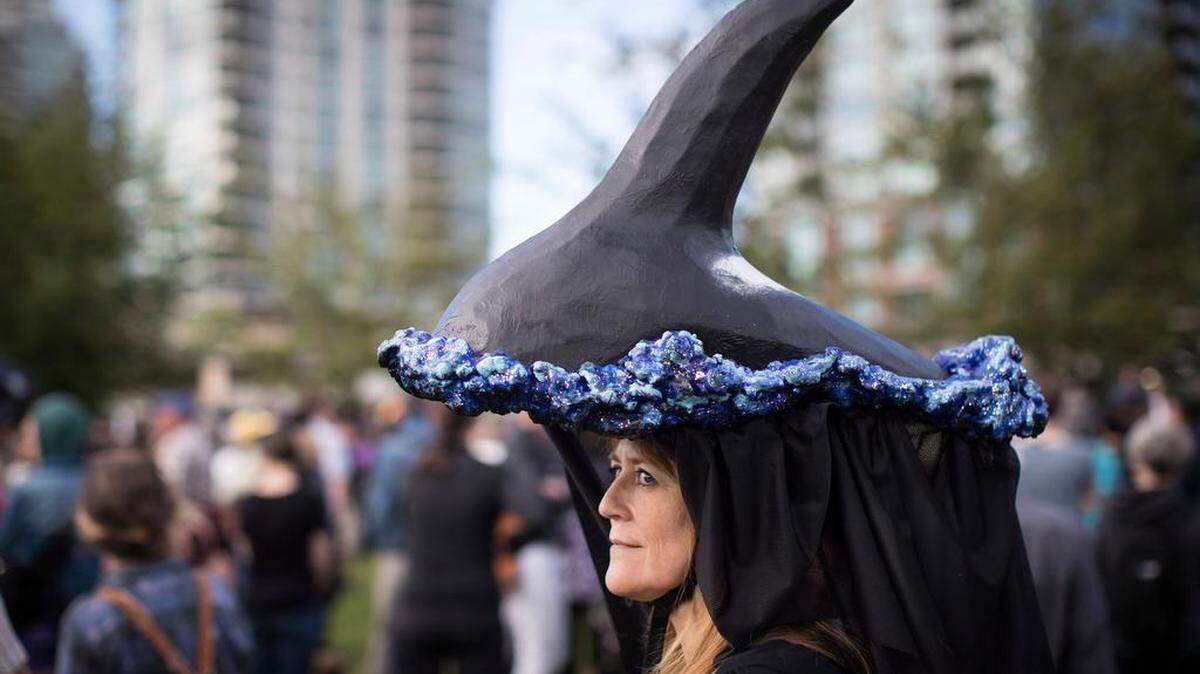
From Vancouver Island to the Olympic Peninsula, the West Coast’s fragile web of southern resident orcas and other marine life may be harmed by increases in vessel noise, greenhouse gas emissions and certainly by any oil spills.
We warned of a pipeline coming this way when Keystone was temporarily halted in 2015. Our editorial from November that year concluded: “The oil, in our opinion, should be headed for Gulf refineries in thick-walled, modern pipelines. Tanker trains - which the president implicitly favored last week - are a bad alternative. The Strait of Juan de Fuca now a real possibility, is the most worrisome of all.”
Don’t hold your breath waiting for the Trump Administration to get involved, certainly not with Trump's “drill, baby, drill” ethos at the top of the EPA and Interior Department. Instead, Washingtonians need to advocate for our region’s interests. B.C.’s provincial government could use some allies in its uphill fight against Ottawa, Alberta and the petroleum industry.
State leaders, for their part, should use any leverage they have to make Canada rethink the Trans Mountain project, or at a minimum, enact the strictest possible safeguards.
Maybe Inslee should remind Trudeau of his soaring environmental rhetoric during that visit a year ago. Today, it feels like hot air.
This story was originally published June 4, 2018 at 5:00 PM with the headline "No, Canada: West Coast doesn't want your pipeline."