
Tips for pruning, planting and taking shortcuts in your early spring garden
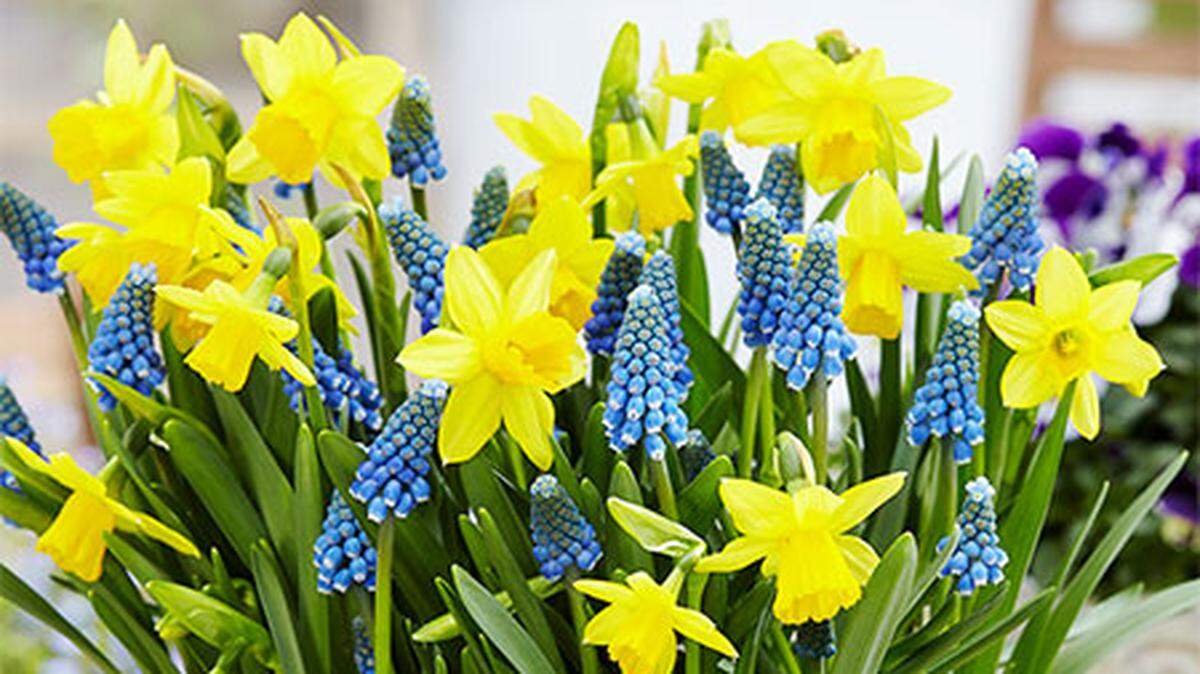
Time to pull on your gardening boots and get dirty in the garden!
The beginning of March is a good time to do some pruning and garden cleanup as well as add some hardy perennials to the landscape. Cool season crops such as peas and sweet peas can be started indoors for transplanting outside later, or sow the seeds directly into the ground if you have well-drained soil.
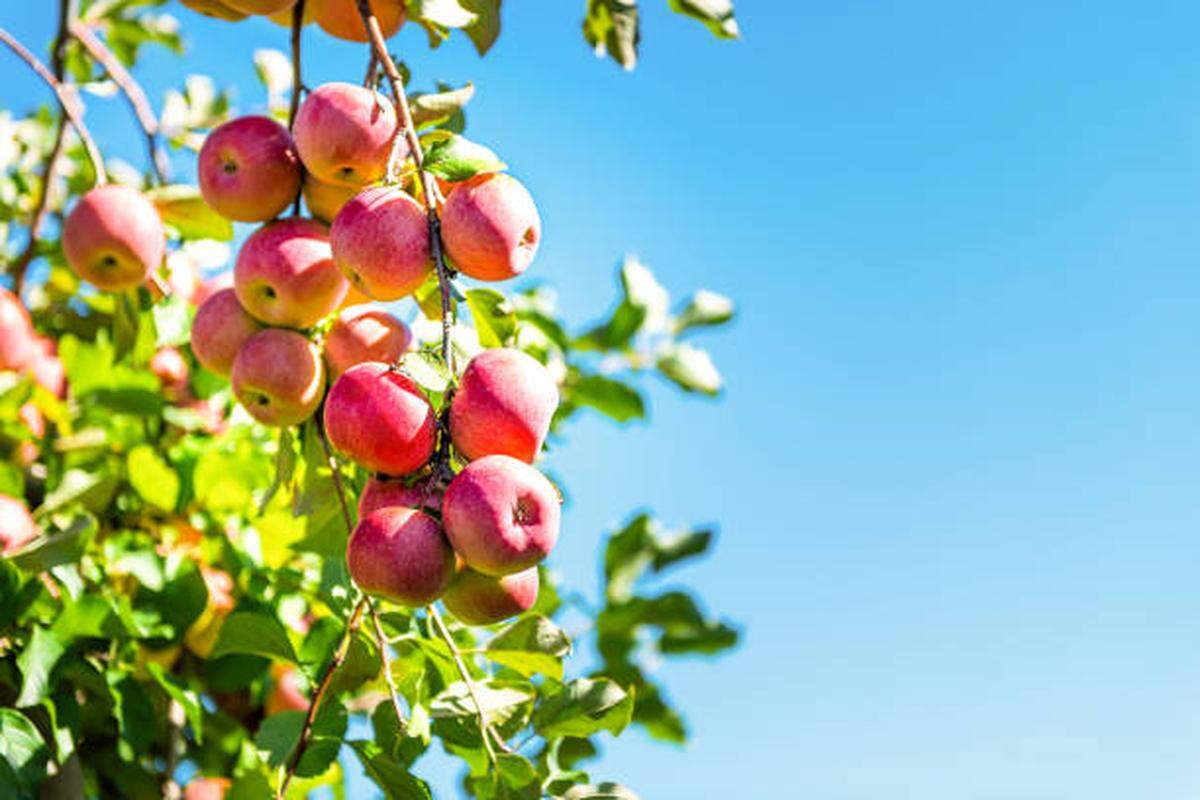
Q. When do I prune apple trees? We moved to an old house with some old apple trees but they still gave a good crop in the fall when we first moved in. Not sure if apples need pruning every year or just occasionally. — New gardener, Tacoma
A. Early spring, like during the month of March, is a fine time to get snippy with your fruit trees. The easy answer to pruning is to remove anything dead, diseased or damaged and follow wayward or wild branches right back to the trunk to prune them off.
A more specific lesson can be given by a professional arborist that you can hire for a day to teach you the specifics or by watching a professional on YouTube.
No need to worry if you skip pruning a fruit tree. Unpruned trees will grow large and out of shape, and if suckers take over, you will get less fruit, but an unpruned apple tree is not going to die on you.
Q. I forgot to order and plant daffodil bulbs. If I buy potted daffodils from the grocery store, can I just plant them into the ground or containers while still in the plastic pot? — L.G., Olympia
A. Yes, adding potted bulbs to your garden now is a shortcut to a show garden — but buy potted bulbs in bud rather than in full bloom so they will last longer. The dwarf daffodils under 6 inches tall are the easiest to add to porch pots, where you can hide the plastic pots under a mulch or moss.
Once the bulbs have finished flowering, you can remove the bulbs, greens and all, and transplant them into the ground without the plastic pot. The long strappy leaves need to ripen and turn yellow while still attached to the bulb to make next spring’s flower display.
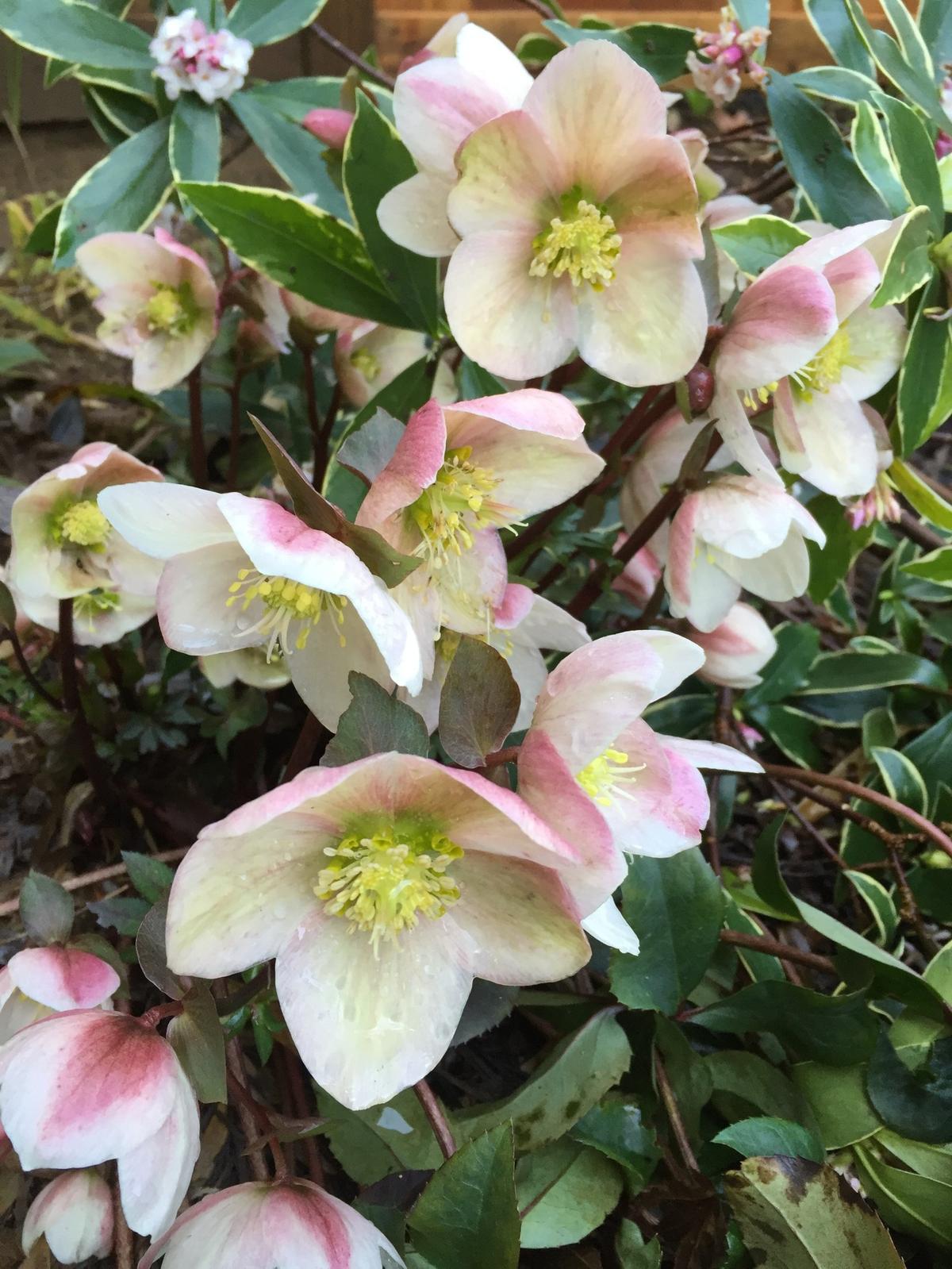
Q. When can I plant hellebores into the garden? I purchased some at the garden show and enjoy them on my porch, but will want to change them out for summer flowers soon. — B. Email
A. Dig in and make a hellebore happy. Hellebores can be added anytime the ground is not frozen. These cold-tolerant perennials will return with winter blooms year after year if you dig a wide, deep hole for the fleshy but brittle roots.
Imagine a hole three times as wide and twice as deep as the container that the hellebore was purchased in. Once placed in the hole (at the same depth it was growing at in the pot), surround the roots with the excavated soil, but mix in some compost or leaf mold to help hold moisture. A mulch on top of the soil will keep the roots cool in the summer and block out weeds.
Tip: Enjoy hellebore blooms indoors by floating individual blooms in shot glasses or a fancy bowl.
Marianne Binetti has a degree in horticulture from Washington State University and is the author of several books. Reach her at binettigarden.com.
This story was originally published March 1, 2025 at 5:00 AM with the headline "Tips for pruning, planting and taking shortcuts in your early spring garden."