
Tired of mowing and watering? Here are ways to reduce the lawn in your landscape
Fall is for planting and as the weather cools and rains return, it is also the time to renovate your lawn.
The most effective time to fertilize a Northwest lawn if you only intend to feed your lawn once a year is in the fall. This is because a fall and winter lawn fertilizer will have a slow-release plant food that winter rains can wash down to the grass roots. Then, in the spring your lawn will grow fast and thick, crowding out many of the spring weeds.
This is also a good time to consider if you need to have so much lawn as part of your landscape. Free seminars sponsored by local water districts are helping Western Washington gardeners reduce their water bills, use fewer chemical fertilizers and provide more blooms for pollinators by shrinking or even eliminating traditional lawn.
If you allowed your lawn to “go golden” this summer because you stopped watering, you may be happy to see it green up again in the fall. But this is also a good time of year to learn to live without a traditional lawn by considering some lawn alternatives.
Honey I shrunk the lawn: How to start small and grow less grass
Make your pathways and planting beds wider
As shrubs and trees mature, you can reduce the time and expense of constant pruning by cutting away lawn areas to widen paths and increase the size of beds that hold shrubs and perennial plants.
Tip: Choose drought-resistant shrubs such as barberry, potentilla, junipers and nandina when you open up more space for planting and the turf area shrinks. The freedom of not needing to irrigate and the money savings from using less water are just two benefits of having more shrubs and less lawn.
Replace turf with low growing groundcovers
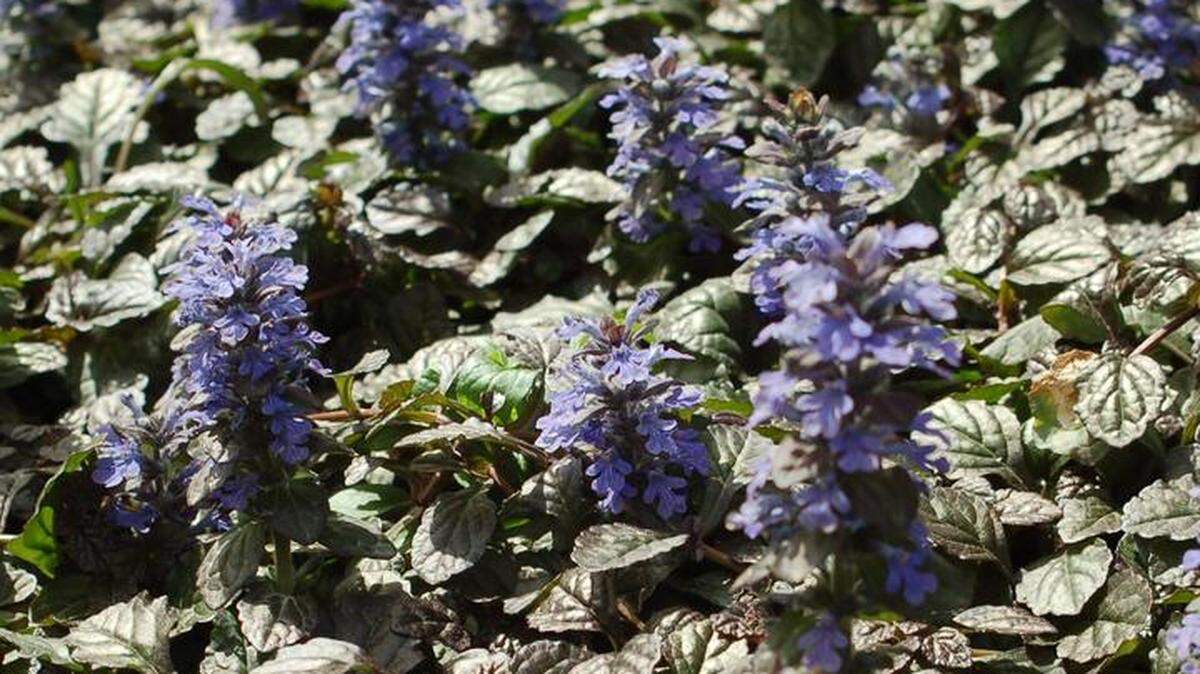
For shaded areas, there are evergreen ground covers such as ajuga, lamium and sweet woodruff that will stay low without mowing and stay green without summer water. In the hot and dry areas, you can replace that thirsty lawn with drought-resistant thymes, sedums and succulents.
Nobody ever killed a boulder or had to water gravel
Consider planting some boulders instead of bushes and surround your big rocks with decorative gravel or river rock for a display that adds texture and contrast without ever demanding a drop of water. Gardening with more stone is rock solid advice for more carefree landscapes.
Go native for natural beauty
Our natural Western Washington landscape is evergreen and ever beautiful. Why fight Mother Nature? Replace a section of turf with one tall focal point tree such as our native vine maple, surround this with three to five lower growing native shrubs such as Oregon grape (Mahonia), add some sword ferns for more texture and carpet the ground with native salal or coral bells.
Want a more formal look? Add a bird bath or a collection of fancy bird houses on tall pillars. Don’t forget the boulders. Native plants just do well here naturally.
Meet Marianne
Marianne Binetti will give a free seminar called “Turf Out” at 10:30 a.m. Saturday, Sept. 20, at Squawk Mountain Nursery, 7600 Renton Issaquah Road SE, Issaquah. The seminar will cover how to get rid of some of your lawn, what to plant instead, and how to maintain a landscape with less lawn.
Marianne Binetti has a degree in horticulture from Washington State University and is the author of several books. Reach her at binettigarden.com.
This story was originally published September 13, 2025 at 5:00 AM with the headline "Tired of mowing and watering? Here are ways to reduce the lawn in your landscape."