New homeless villages, more shelter beds coming to Tacoma, Pierce County in 2026
AI-generated summary reviewed by our newsroom.
- Several new villages and shelter beds are scheduled to open in 2026.
- Tacoma Rescue Mission expects a 135-bed expansion to total 314 beds by Dec. 2026.
- Pierce County plans to spend nearly $110 million through the end of 2027.
New villages and more shelter beds for those experiencing homelessness in Tacoma and Pierce County will open in 2026. How much will it cost, and where will they be? The News Tribune put together a list.
Of note: The city of Tacoma lost nearly 200 shelter beds in 2025 because of funding shortfalls, as previously reported by The News Tribune. While the demand for shelter continues to increase year-over-year, the rate of people who exit into housing has not significantly increased since the pandemic. In December, Pierce County told reporter Cameron Sheppard that the rise in those experiencing homelessness in Pierce County is directly tied to the increased cost of housing.
In Tacoma:
Tacoma Rescue Mission expects to complete a capital expansion of its single men’s shelter in downtown Tacoma by December 2026, according to the city of Tacoma. The expansion will add 135 new beds, bringing the facility’s total capacity to 314 beds, said Pierce County spokesperson Kari Moore on June 25. Although the Tacoma Rescue Mission has secured funding for the construction and expansion of the shelter, they have yet to secure funding for operations, as reported by The News Tribune’s Jabez Choi. The City of Tacoma provided a $7.5 million funding package for the expansion, which includes $4 million in Community Project Funding from the U.S. Department of Housing and Urban Development and $3.5 million from the city’s General Fund, said city spokesperson Maria Lee said.
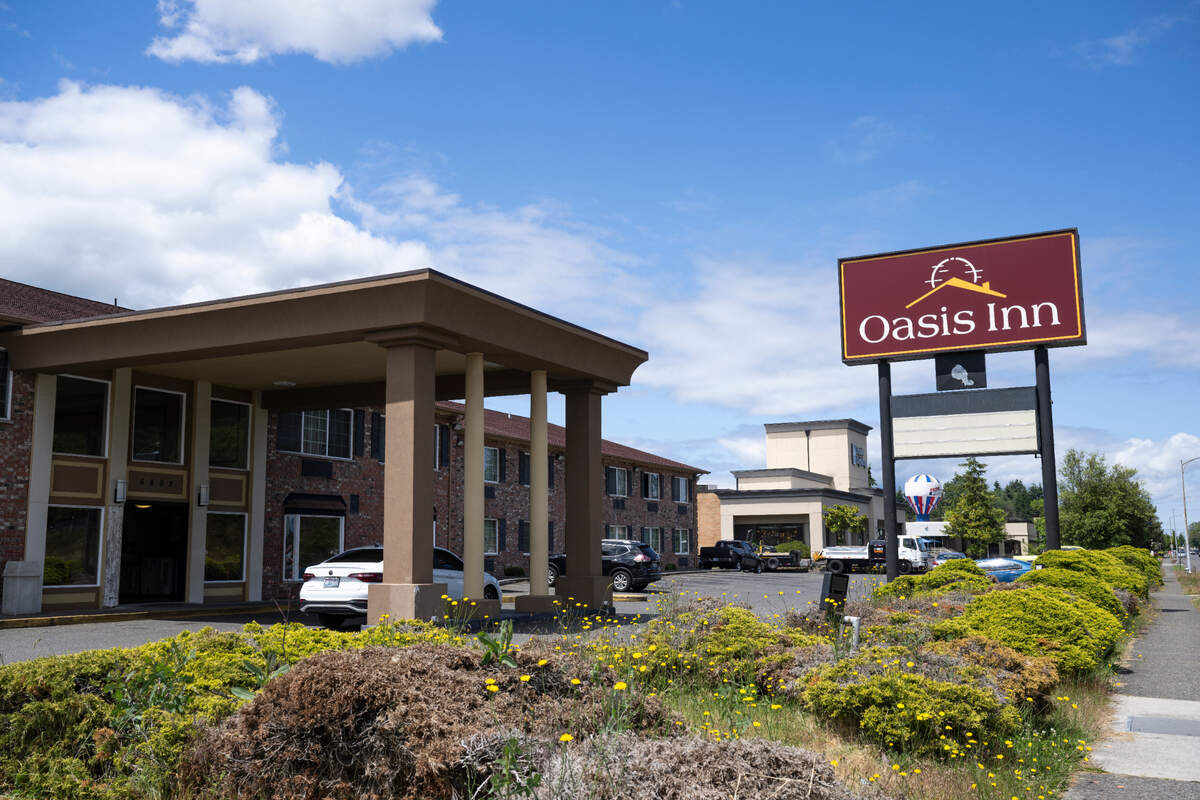
A long-anticipated medical-respite shelter run by the Low-Income Housing Institute (LIHI) at the Oasis Inn is expected to open by December 2026 on Tacoma Mall Boulevard. Short-term medical-respite care gives people experiencing homelessness who are not ill enough to be in a hospital a safe place to recover from illness or injury while accessing medical care and other supportive services. The site is classified as both emergency shelter and permanent supportive housing. There will be 63 units of non-congregate shelter and 54 units of permanent supportive housing, per Pierce County’s website. The county’s investment was $6.8 million.
Valeo Vocation is acquiring two sites that will be developed into 30 non-congregate emergency shelter beds in Hilltop that are expected to be complete in December 2026, according to Pierce County’s website. The county invested $2 million in the project.
Tacoma Rescue Mission’s temporary seasonal shelter at the RAIN Center (2304 Jefferson Ave.) was expanded to continue operating through December 2026, Lee said. The shelter provides 65 emergency shelter beds during regular hours and 15 additional beds during “inclement weather activations,” she said. It serves residents with 24-hour services, including access to food, transportation, showers and case management.
Elsewhere in Pierce County:
LIHI will open a new 60-bed tiny home village at 415 208th St. E. in Spanaway. LIHI anticipates opening the village by November 2026.
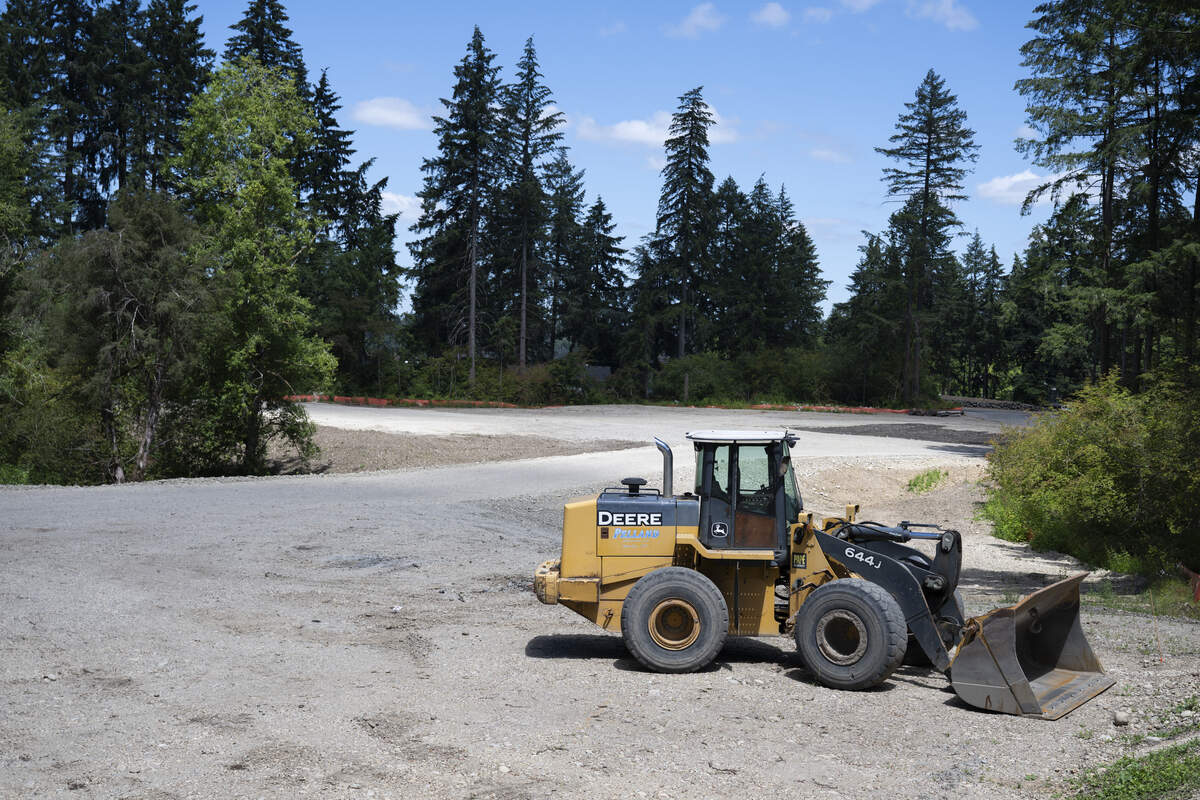
Tacoma Rescue Mission’s “Good Neighbor Village” for the chronically homeless in Pierce County broke ground in 2026 at 1609 176th St. S. and 17320 Spanaway Loop Road S. The goal is to have the first cohort of 20 to 25 people move in by spring 2027 and have 150 homes built by 2028, as previously reported by The News Tribune. This site is permanent housing.
Moore said on June 12 that the county’s coordinated entry system is undergoing a third-party assessment to improve its overall system design, functionality and outcomes. That project is expected to be complete by September 2026, she said.
Other Pierce County projects happening this year include programs designed to curb youth homelessness, expand targeted street outreach work and increase the number of affordable housing units in Pierce County, using the Maureen Howard Affordable Housing Tax that went into effect in 2023, Moore said.
How much will all this cost?
Through the end of 2027, Pierce County plans to spend nearly $110 million on housing and homelessness-related programs and administrative services, as previously reported by The News Tribune.
According to the city of Tacoma’s 2025-2026 budget, the city planned to spend $19.4 million on affordable housing programs, $11.3 million on emergency sheltering, $22.2 million on the development, siting and permitting of housing and $5.4 million on housing and homelessness services.
“Because the need for shelter beds in our community remains ongoing and critical, shelter programs are a major priority in our 2027-2028 competitive funding process,” said Lee via email on June 17. “While total capacity changes will ultimately depend on the specific proposals that the city has received from its community partners, the city’s overarching goal here is seeing to it that funded programs deliver comprehensive support. The city will be prioritizing shelter programs that successfully pair basic needs — such as overnight beds, hygiene services, meals and laundry — with enhanced, wraparound supportive services. This includes dedicated case management, direct connections to behavioral health services and resources specifically designed to reduce barriers to long-term housing stability.”