Will vacant Gig Harbor lots become affordable housing? Here’s where things stand
AI-generated summary reviewed by our newsroom.
- Food bank seeks to return Hunt Street parcels to Gig Harbor for affordable housing.
- City staff recommended against accepting food bank’s condition for future development.
- Any proposed affordable housing development must go through city permitting process.
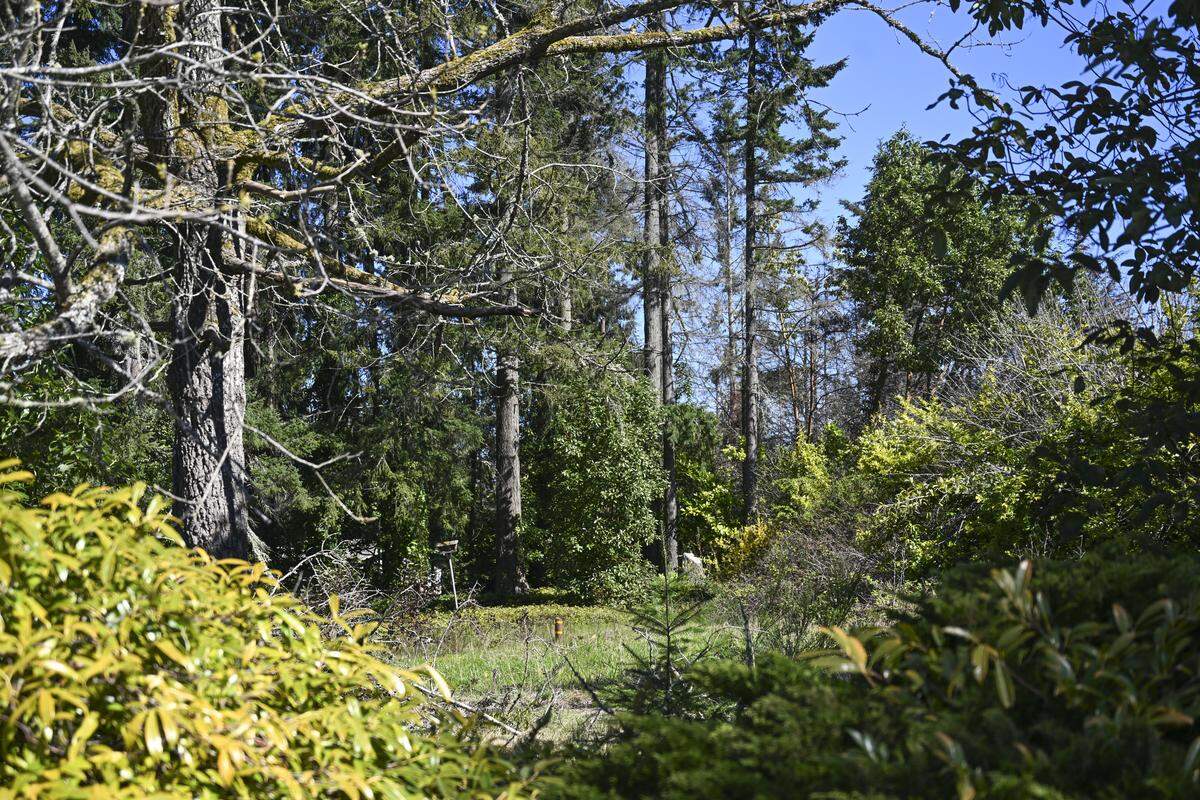
Could an overgrown piece of property on Hunt Street one day become affordable housing?
Gig Harbor Peninsula FISH Food Bank and Community Services owns the two parcels at 3607 and 3611 Hunt St., on a dead-end road that turns off of 38th Avenue. The land previously belonged to the city of Gig Harbor, which deeded it to the food bank in 2018 for the purpose of building a food bank building. Five years later, the city extended the deed another five years until 2028.
In January, the food bank proposed returning the land to the city for use as affordable housing — a major need in Gig Harbor, which has few options for low-income residents. The city is among many local jurisdictions facing that challenge, coupled with added pressure from above: the housing targets adopted by Pierce County, as required by the state, mean that Gig Harbor needs to add 892 housing units by 2044. That target includes 567 units for those earning 0-80% of the area median income. For a family of four in Pierce County, that range includes households making $96,640 a year or less.
But after learning of the food bank’s conditions for the transfer, city staff recommended against accepting the proposed agreement. That condition was that if any buildings are constructed on the property, the city would need to lease at least 3,000 square feet to the food bank for at least 35 years, for use as a storage facility, according to a summary presented to the city council at a study session on March 26.
The city council has yet to take final action, but the city is discussing the property with the food bank, the city’s Housing, Health, and Human Services Program Manager Shealynn Smiley told The News Tribune on April 9.
The food bank also confirmed talks are ongoing.
“Things are moving right along, and I think things are going to be resolved in very short order,” said Ron Coen, president of the FISH Food Bank board, in a phone call on April 9. He declined to comment further, saying he would prefer to wait until the situation is finalized.
The food bank opened its facility at 4303 Burnham Dr. in July 2022 after raising $8.1 million from the community. Their building includes space for grocery shopping, private client meetings and warehouse space, according to the food bank website.
What would it take for the Hunt Street property to actually become affordable housing? In an email, Smiley told The News Tribune that affordable housing developers go through the same process as market-rate housing developers: they need to go through the city’s permitting process, complying with city zoning and other codes.
The city, for its part, can implement incentives that make affordable housing projects more attractive to potential developers. The city council has directed staff to look at possible options, but none exist in the city now, Smiley wrote.
South Sound Housing Affordability Partners previously identified the Hunt Street property “as a strong candidate for affordable housing,” the agenda bill from the March 26 study session notes. Jason Gauthier, SSHA3P manager, confirmed that in a phone call Friday. One reason it’s suitable is because the property came with underlying restrictions for its use when Pierce Transit deeded the land to Gig Harbor, he explained: a restrictive covenant said that the city needed to use the property “solely for public purposes.” That includes affordable housing, he said.
Asked what potential the city sees in the property for affordable housing, Smiley wrote that the property has both “advantages and disadvantages for future development.”
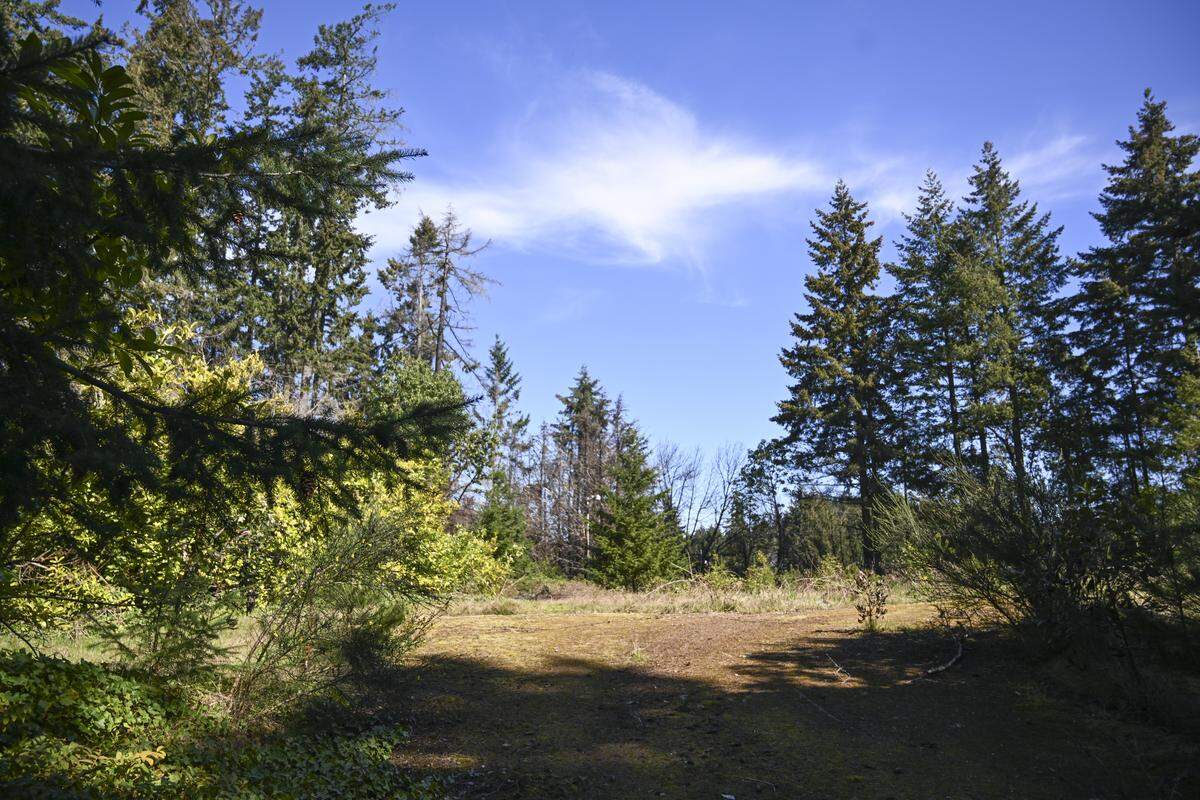
“It is generally flat and unencumbered by streams or wetlands and is near other vacant property that has significant development potential,” she continued. “However, it is at the end of a currently dead roadway, close to a high-traffic state highway which generates noise and exhaust and utilities are not immediately available (e.g. wastewater). Any future housing proposal will have to weigh these pros and cons and work it into a development plan that is cost-effective.”
City staff noted in the agenda bill that they had concerns about the property’s attractiveness to developers if the city accepted the condition proposed by the food bank: to lease at least 3,000 square feet of any future building on the property to the food bank for at least 35 years.
Smiley elaborated in her email that the city sees limitations in the property that would make adding a storage facility unfavorable for possible developers. The property is only about 1 acre in size, and truck traffic going to and from the property could add noise, she wrote.
Including a storage facility could also affect how developers see projects penciling out.
“Utilizing 3,000 sq. ft for storage increases the cost of the project and removes housing opportunities from the ground floor,” she wrote. “This could reduce the number of units built on the property impacting development costs and community benefit. These may limit the pool of developers that would be willing to build on the site.”
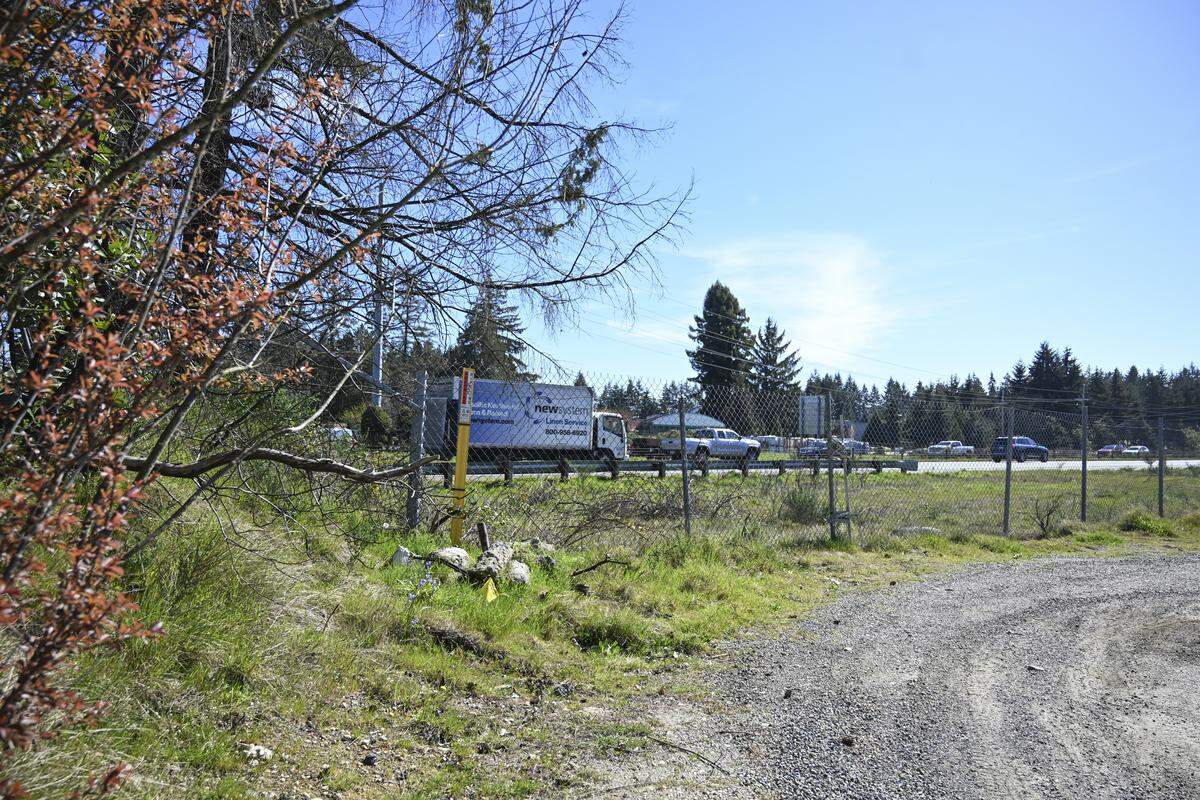
City zoning allows for up to 32 dwelling units per net acre in the General Business District (B-2) zone, which includes the Hunt Street property, according to Smiley. That zone allows for multiple types of residential development on a conditional basis, requiring a public hearing and approval by the Hearing Examiner, she wrote.