Affordable housing planned in Pierce County city where homes average $900,000
The city of Gig Harbor has ironed out an agreement with the Gig Harbor Peninsula FISH Food Bank to set aside a piece of property for affordable housing.
The community is largely built-out and has few options for low-income earners.
The nonprofit food bank is officially transferring the properties at 3607 and 3611 Hunt St. back to the city for the purpose of affordable housing, leaving behind old plans to install a storage facility there. Gig Harbor Mayor Mary Barber signed documents for the transfer Tuesday, as authorized by the city council, a joint press release from the city and food bank said Wednesday.
“What is most important for people to understand is the long-term benefit to the community if this land is used to expand local housing options,” Barber said in the release. “We are committed to exploring all avenues that will help our community build more diverse housing in Gig Harbor.”
“Our mission is to care for our neighbors, and we appreciate this opportunity to work with the city to do just that,” GHP FISH Food Bank Board President Ron Coen said in the release.
It’s not clear how soon affordable housing could actually materialize on the property. The News Tribune has asked the city for clarification on next steps in the process.
Housing, Health, and Human Services Program Manager Shealynn Smiley told The News Tribune in an earlier email that affordable housing developers need to go through the same permitting process with the city as market-rate developers do, though the city can create incentives for affordable housing projects. Smiley wrote that the city doesn’t have any incentives in place yet, though the council has directed staff to look into them.
Gig Harbor has high housing costs but few options for low-income residents, The News Tribune has reported. Expanding the diversity of housing options in the city is one of three priorities the city council has decided to focus on as they update their three-year strategic plan.
“With a nearly $900,000 average home price and nearly $2,700 average unit rental rate in the City, it is difficult for residents looking to downsize, young families, seniors looking to age in the community and those working in the City to find housing,” a memorandum attached to the council’s March 18 study session packet said.
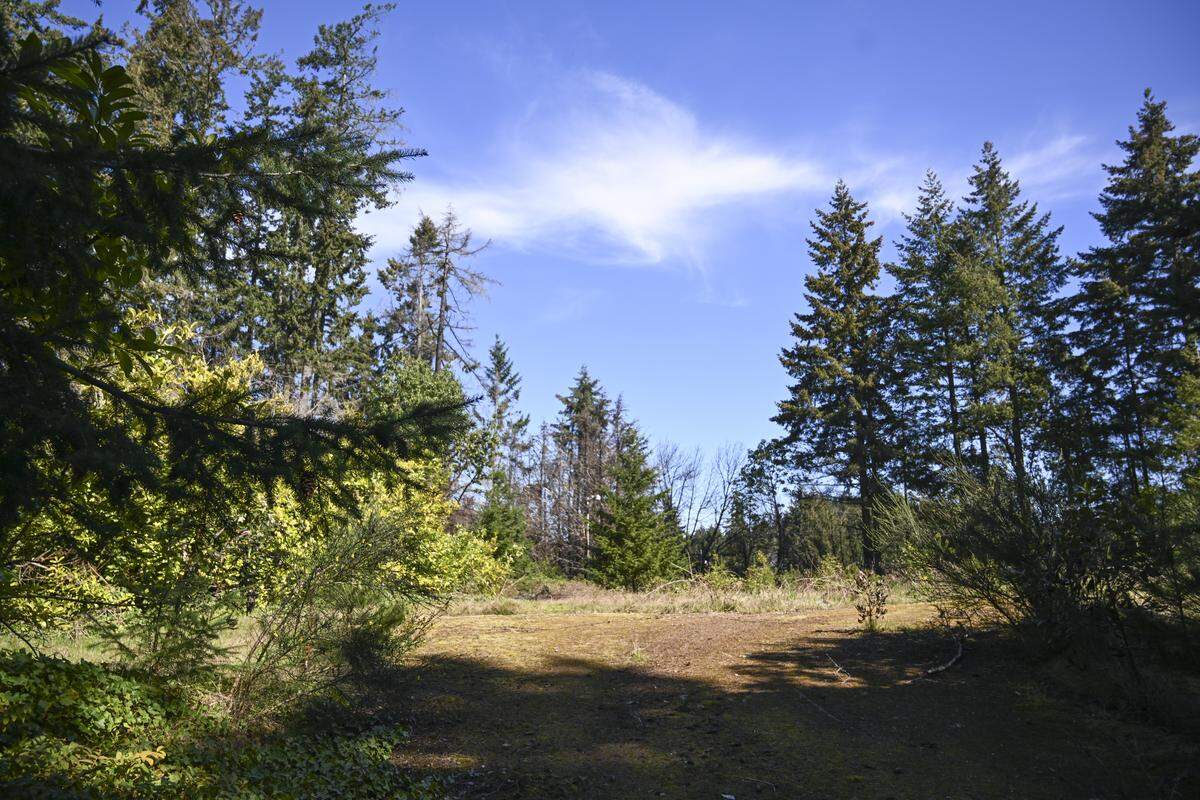
The city first acquired the two parcels at 3607 and 3611 Hunt St. from Pierce Transit in 2018, according to an agenda bill from a city council study session April 27. The original restrictive covenant required that the land be used “solely for public purposes,” which includes affordable housing, The News Tribune reported.
Gig Harbor then deeded the property to the FISH Food Bank for construction of a storage facility, but the food bank ultimately decided that it wasn’t a good fit for their purposes and approached the city in January to discuss returning the property for affordable housing.
Negotiations halted briefly after the food bank made its initial proposal to the city, conditioning the transfer on the city agreeing to lease at least 3,000 square feet of space to the food bank for at least 35 years if any buildings were constructed on the property. The food bank’s letter of interest to the city also didn’t mention affordable housing, though FISH board president Ron Coen had previously spoken with the city about it, according to background information in a March 26 agenda bill.
At the March 26 study session, city staff recommended against accepting the food bank’s first proposal. A staff memo noted concerns that the requirement to lease space for a storage facility “may limit developer interest and potentially reduce the number of units that could be built.”
Representatives from the city and food bank later told The News Tribune that talks were ongoing to resolve the dispute.
The storage space condition has since been removed from the agreement. The food bank has “quitclaimed it free and clear, as I understand it,” said Sue Lockett John, communications coordinator for FISH Food Bank. She explained that the food bank had initially included that condition because they wanted to keep their options open, but they aren’t actively looking for a storage facility to her knowledge, she said.
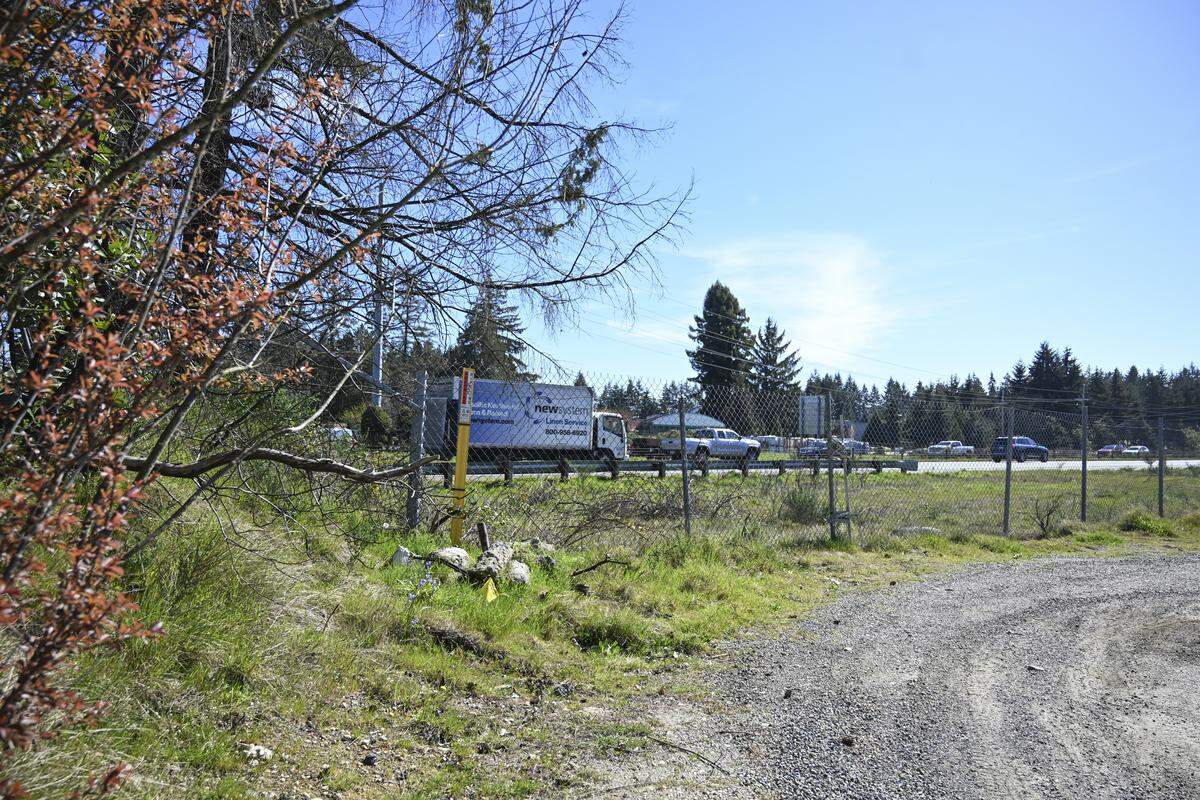
On April 13, the food bank’s attorney produced “updated documents reflecting the terms discussed between the board and city staff, which were subsequently signed by the board president,” the agenda bill said. The city and food bank had reached a consensus by the city council meeting Monday, and the city council authorized the mayor to sign the documents for the property transfer.
City Administrator Katrina Knutson said in her report at the city council meeting that the agreement marks a “momentous occasion,” and commended city staff, council and the food bank for their involvement.
“ ... really want to acknowledge this partnership and what will be hopefully in the near-term some more affordable housing, truly affordable housing, within our community for all ages, wages and stages,” Knutson said.
City council member Emily Stone reiterated the city’s need for affordable housing in her comments at the meeting.
“It is no secret that we are in a housing crisis, and my hope is that we continue these conversations around housing,” she said. “And it’s really exciting, some of the things that City Administrator Katrina reported on tonight, that we can really try to dive in as a council, as staff to really find adequate attainable housing for all ages, wages and stages.”