This Indigenous-owned family farm offers something special. Here’s the owner’s dream
READ MORE
BIPOC Trailblazers of East Pierce County
Our BIPOC Trailblazers of East Pierce County will showcase agents of change. Trailblazers aren’t afraid to make waves. They make it a priority to positively impact those around them. They transform their community for the better.
Expand All
There’s a farm on the edge of the Summit-Waller area that offers something not many farms do.
“It’s a deliberate space for BIPOC (Black, Indigenous, people of color) communities to gather and practice our ways of life and especially our food sovereignty,” Melissa Meyer said.
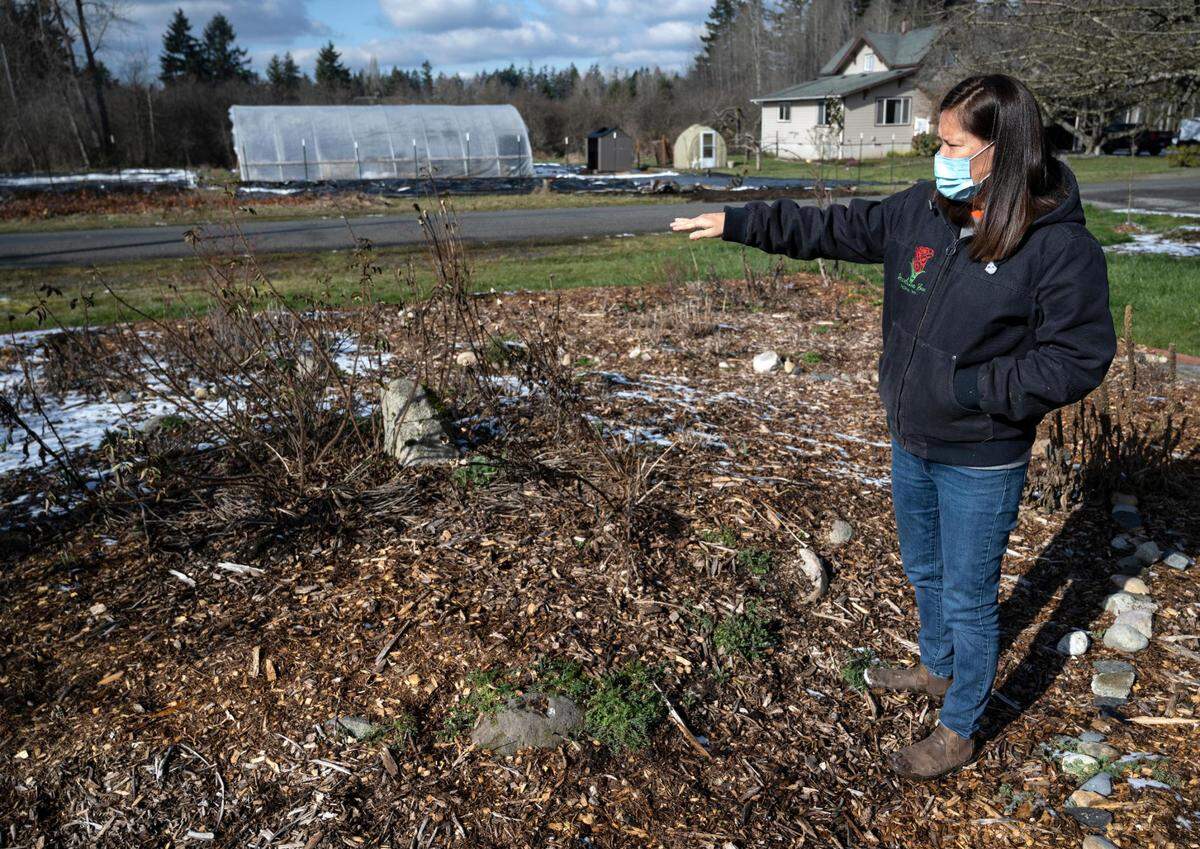
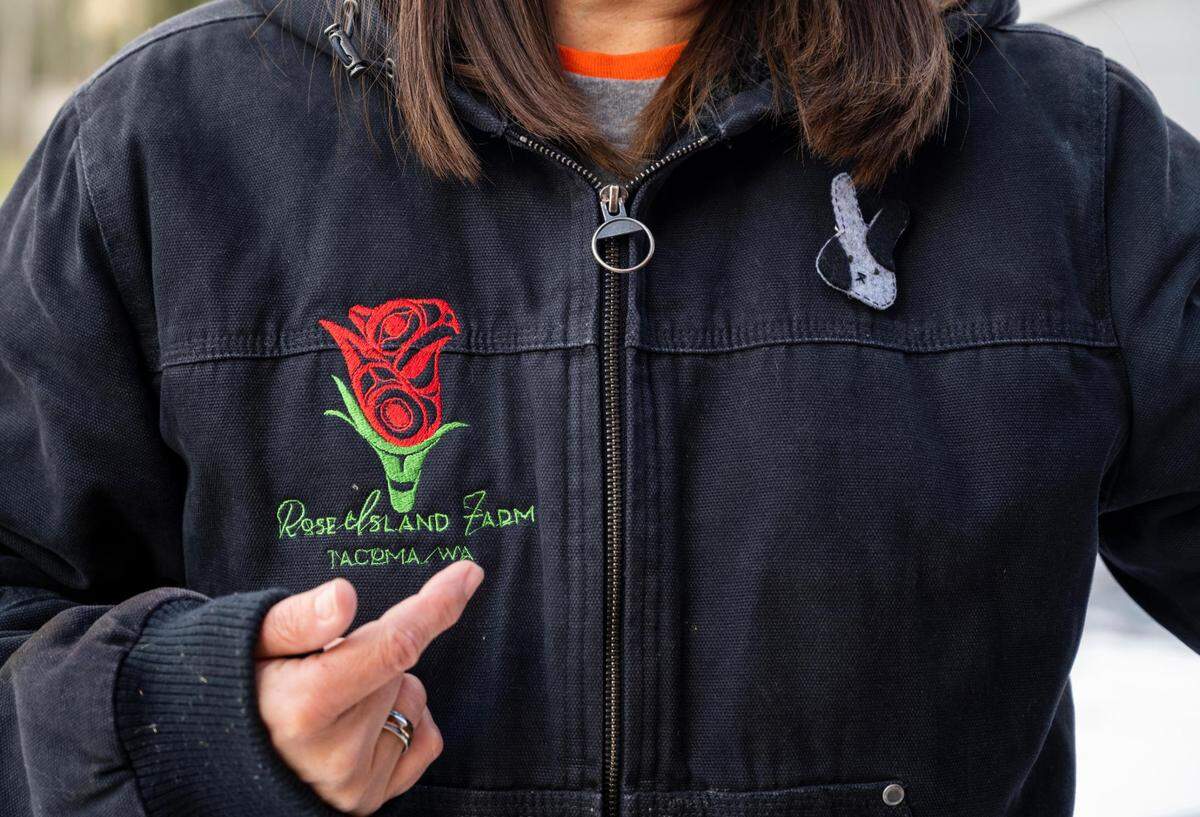
Meyer owns Rose Island Farm at 2801 120th St. E. She and her family acquired the 1-acre farm in summer 2020, and it’s where they’ve been growing herbs, fruits and vegetables. Meyer and her family moved from Canada to Pierce County in summer 2016.
Meyer is Tsimshian and was raised in northern British Columbia. The Tsimshian are connected to their food and stewardship of the land is something she was born into. She wanted to recreate that type of connection in Tacoma, which is how the farm came to fruition.
“It’s just a way of life for us,” Meyer said.
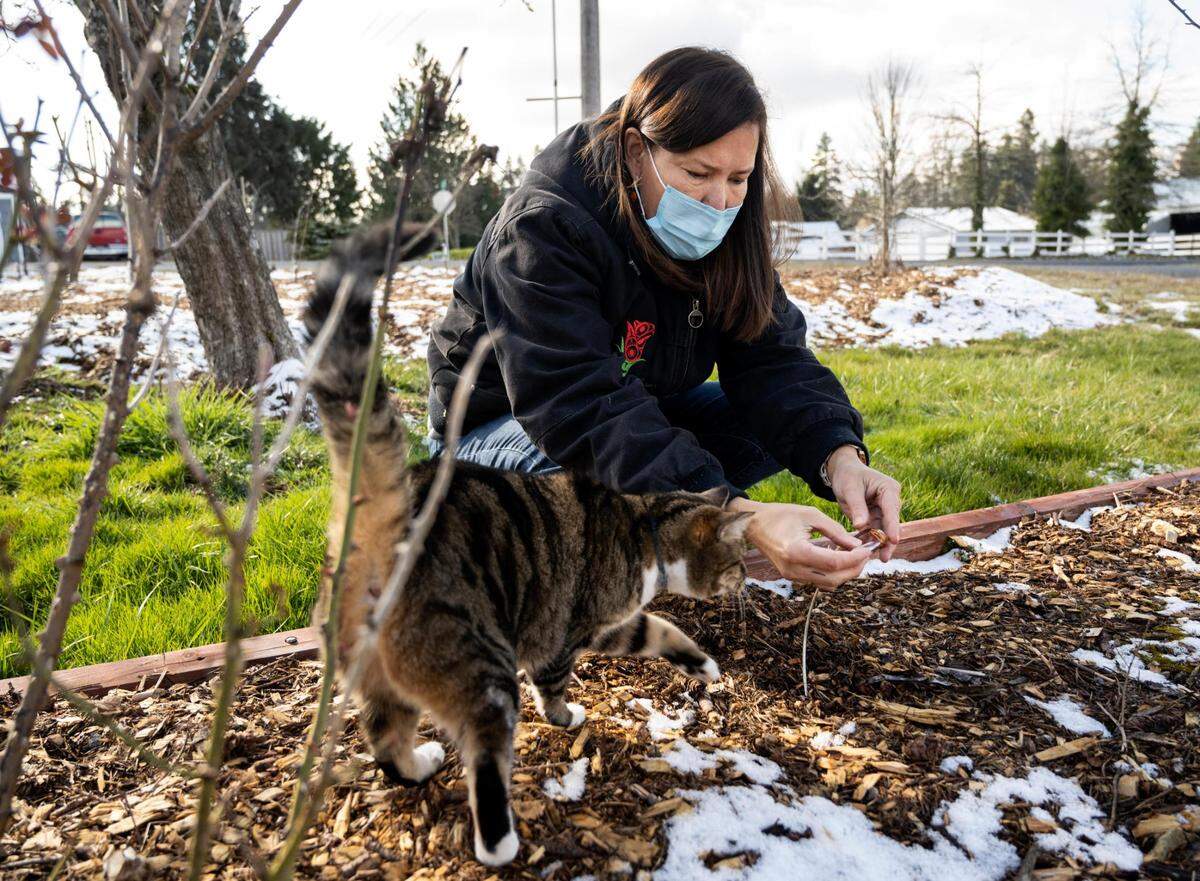
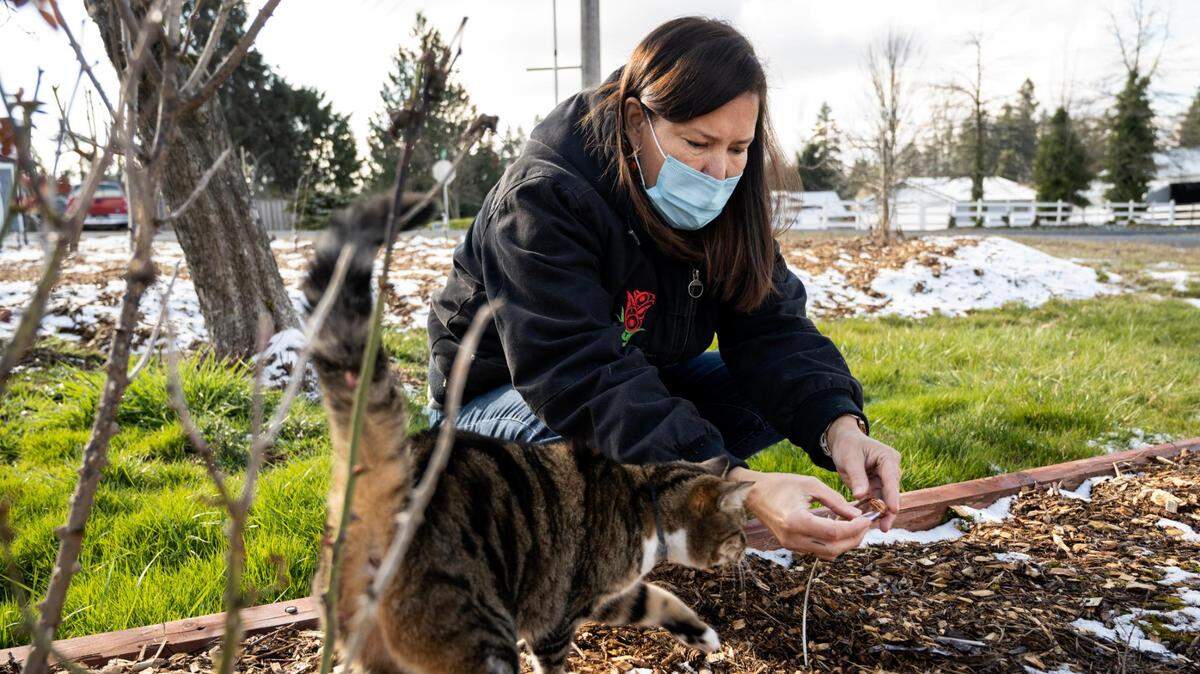
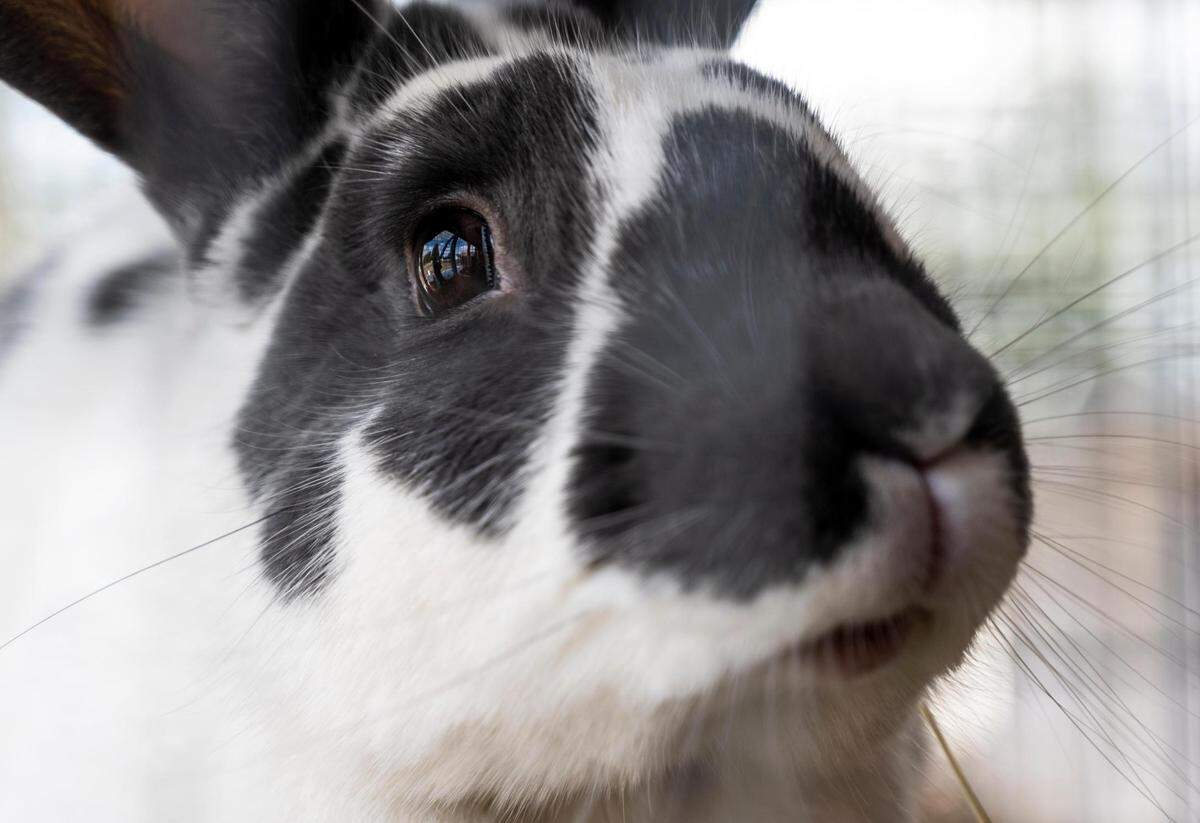
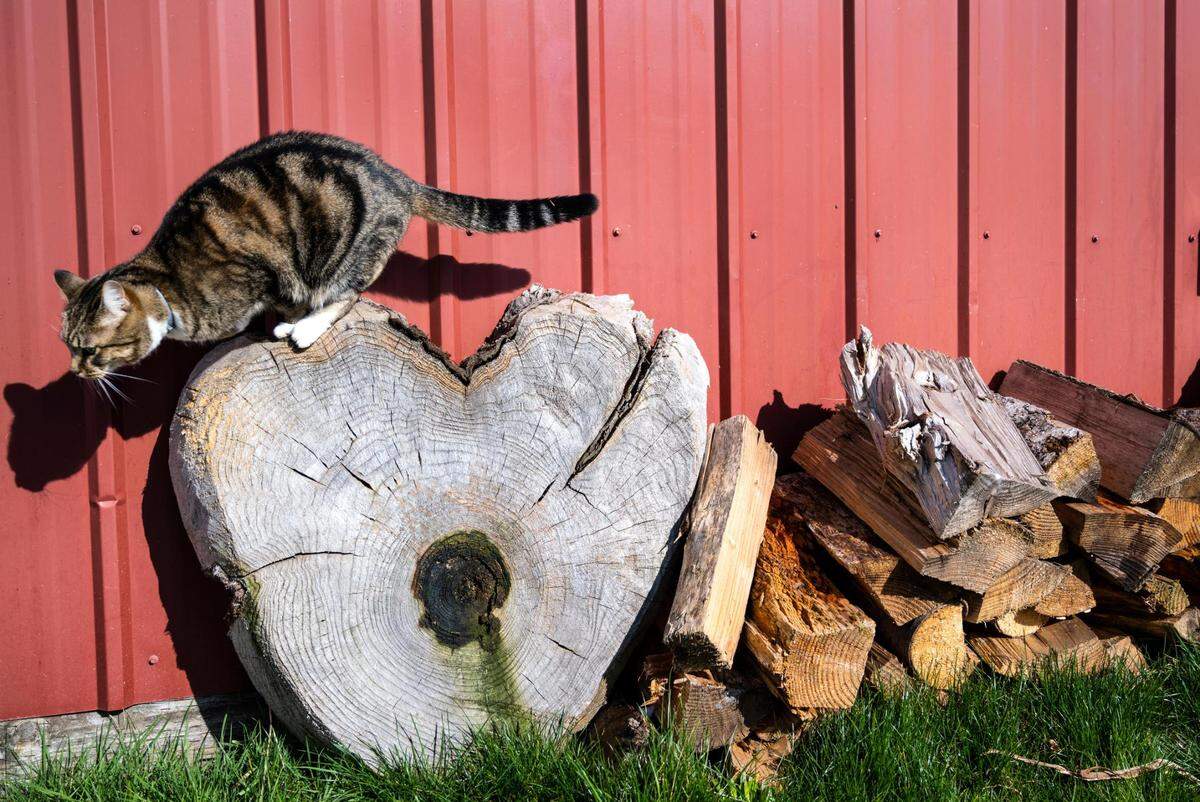
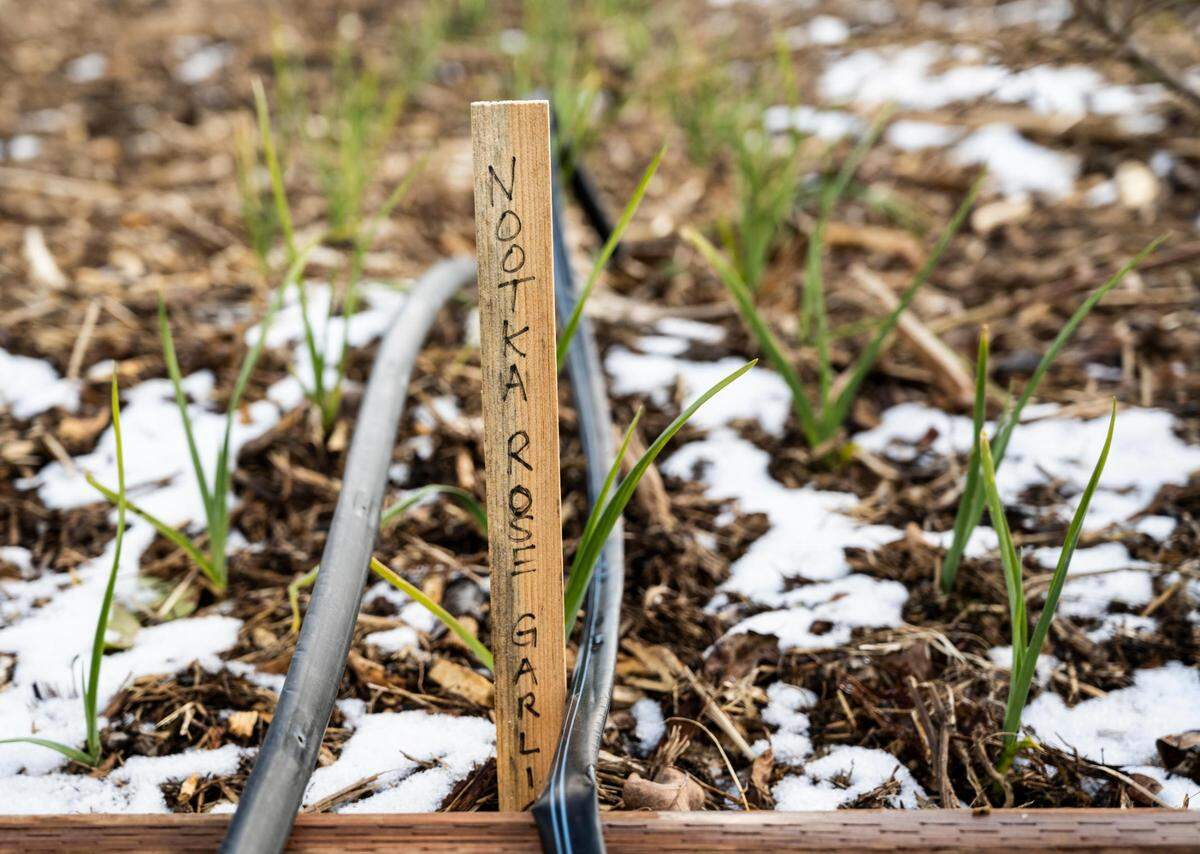
The Meyers’ house is in the middle of the farm. In front of the house is a medicine garden that has plants such as St. John’s wort. There is a red barn, chicken coop, rabbit hutches and another garden for fruits and vegetables such as raspberries and garlic.
“There’s green space that wraps around the entire place, so any window you look out, you see green,” Meyer said.
A total of about 10 friends and family members frequent the farm per day to help Meyer harvest, she said. She usually advertises on Instagram when harvesting season comes around, letting people know when they can come by.
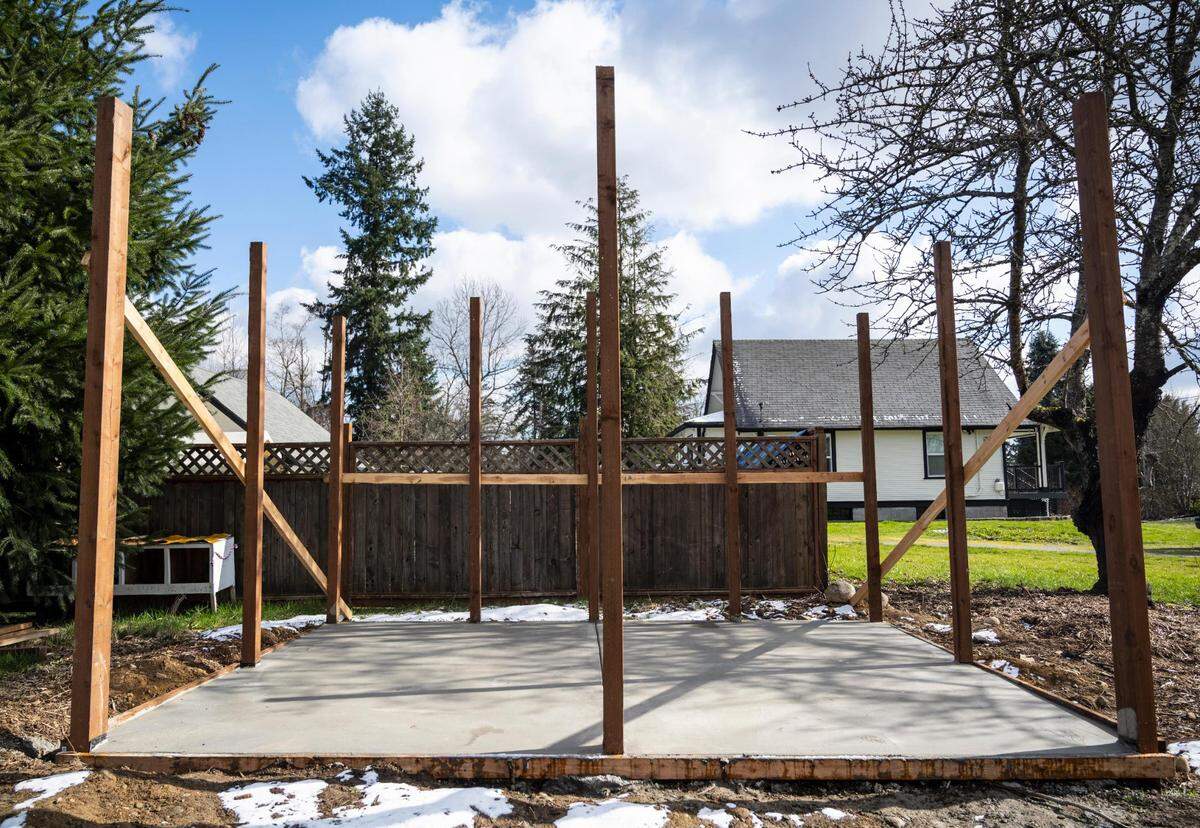
The farm also offers classes and workshops from time to time. These include but are not limited to herbal distillation, canning and food preservation classes. BIPOC communities interested in attending can keep in touch on Instagram (roseislandfarm).
“The dream this year is to expand on that,” Meyer said. “That’s why we’re trying to upgrade the barn, so it could be more of a commercial kitchen space.”
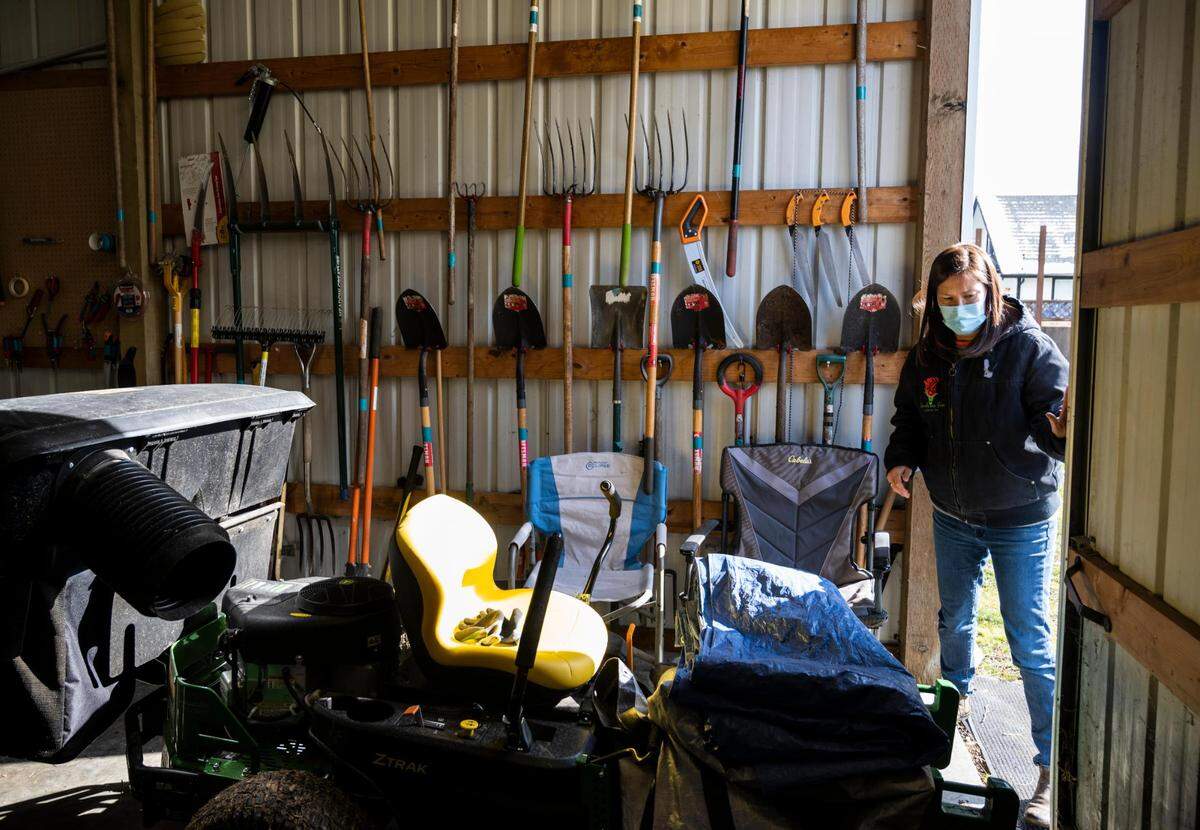
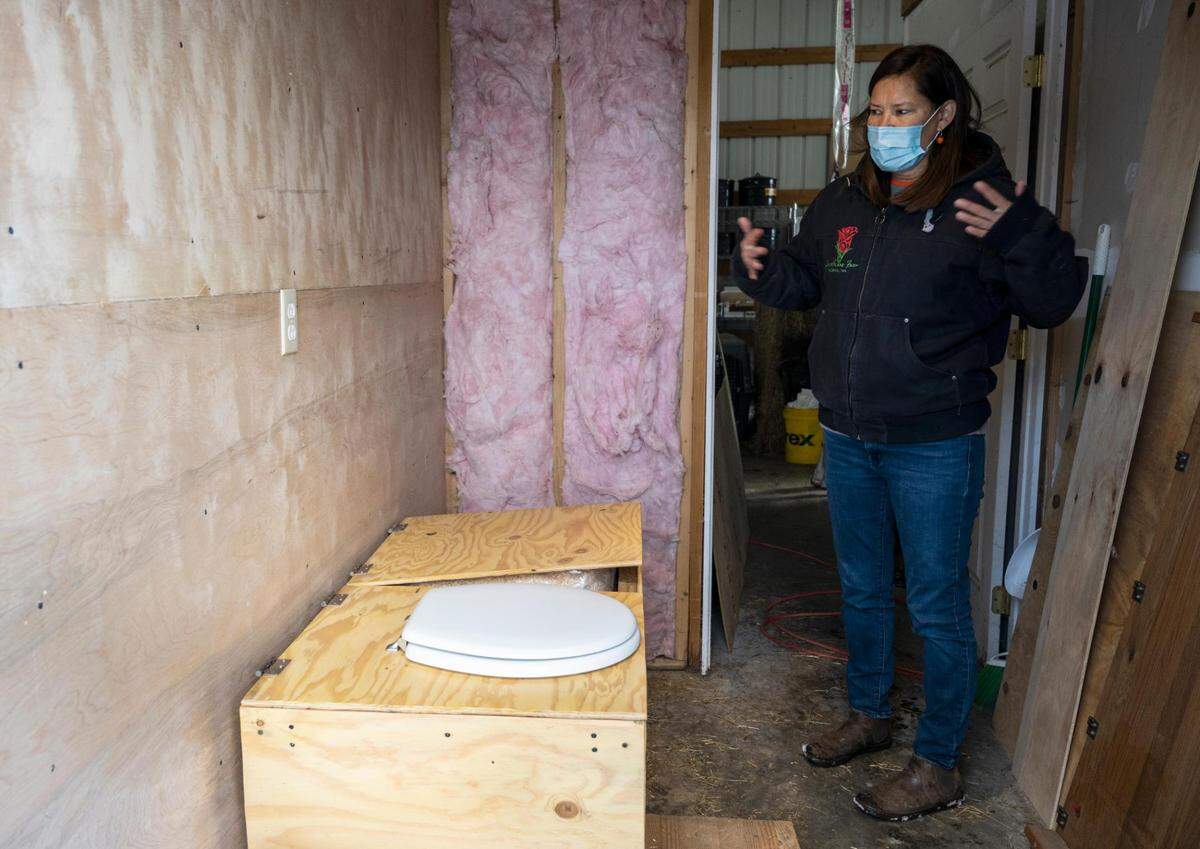
Andrea Telles, a residential remodeler based in Portland, helped build two picnic tables, two workbenches with wheels and a composting toilet for the farm in January. Telles works mainly with queer and trans BIPOC communities, they said.
“I try to focus on showing people what it is I’m doing and how I’m doing it so that they can also feel empowered to do work on their own,” Telles said.
The farm tried to raise some funds through a GoFundMe page to cover construction costs for the tables, workbenches and a composting toilet, but they did not reach their $5,000 goal. Meyer used some leftover grant money to cover other costs.
Meyer recently created another GoFundMe page to raise funds for future projects, including a fence around the farm. Their plan is to raise $10,000. People can donate at gofundme.com/f/rose-island-farm-bipoc-dreams.
Telles said the farm is “dreamy” to them. Harvesting at the farm feels like home, and people who come by always get treated like family, they said.
“I believe in that space, and I believe in the dream that has started that movement,” Telles said. “It’s just gonna keep growing and growing and more people from the community are going to be able to pass on … the love that comes from that space.”
In addition to working the farm, Meyer volunteers at a clinic every Monday at the Tahoma Indian Center at 1809 E. 31st St. She partners with the Canoe Journey Herbalists to offer free herbal care.
Food is medicine, Meyer says. A lot of the medicinal herbs Meyer provides are traditional and produced in a culturally safe way.
“We don’t over-harvest,” Meyer said. “We don’t take what’s not ours.”
Bodies assimilate herbs easily — teas are usually one of the first ways people take in medicine, she said.
“It’s such a tender community,” Meyer said. “Some have been without a home for a while, and the disconnection from care is a big deal. To provide that continuity of care is super important.”
The Tsimshian have had a connection to salmon, berries, seafood and medicine for about 10,000 years. Recreating a sense of community and food sovereign traditions is a must, she said.
To Meyer, food sovereignty means Indigenous people determining what works for their health and body, as well as their relationship with the land and animals.
“Most people don’t have access to land anymore,” Meyer said. “That’s why we were sharing this space. It wasn’t meant to be for us. There are lots of folks like us floating around who are displaced and far from home.”
Those interested in showing support to the farm can make donations through their GoFundMe page, Venmo (melissa-meyer-152) or PayPal (roseislandfarm@gmail.com). More information about the farm can be found at roseislandfarm.com.
This story was originally published February 27, 2022 at 5:00 AM.