Puyallup: News

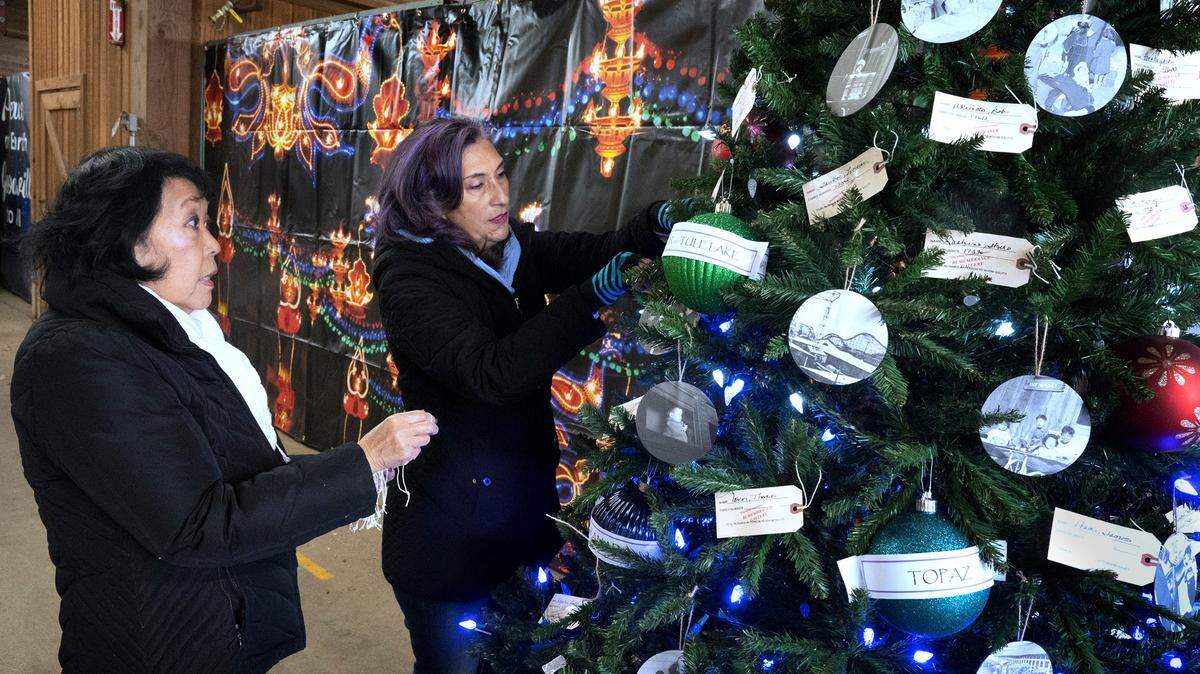
7,600 were incarcerated in Puyallup during WWII. This memorial will display their names

READ MORE


BIPOC Trailblazers of East Pierce County

Our BIPOC Trailblazers of East Pierce County will showcase agents of change. Trailblazers aren’t afraid to make waves. They make it a priority to positively impact those around them. They transform their community for the better.

Expand All

Mary Tanaka Abo remembers the chocolate cake.

The cake a family friend had baked for Abo’s family, which they acquired by reaching over a barbed wire fence. That happened about 80 years ago. Abo, 82, was only two years old at the time.

“It made them feel that there was this one person, at least, who didn’t consider them the enemy,” Abo said.

The fence surrounded a Puyallup detention facility in 1942. In March of that year, Abo and her family were forced to live there after being removed from their home in Juneau, Alaska.
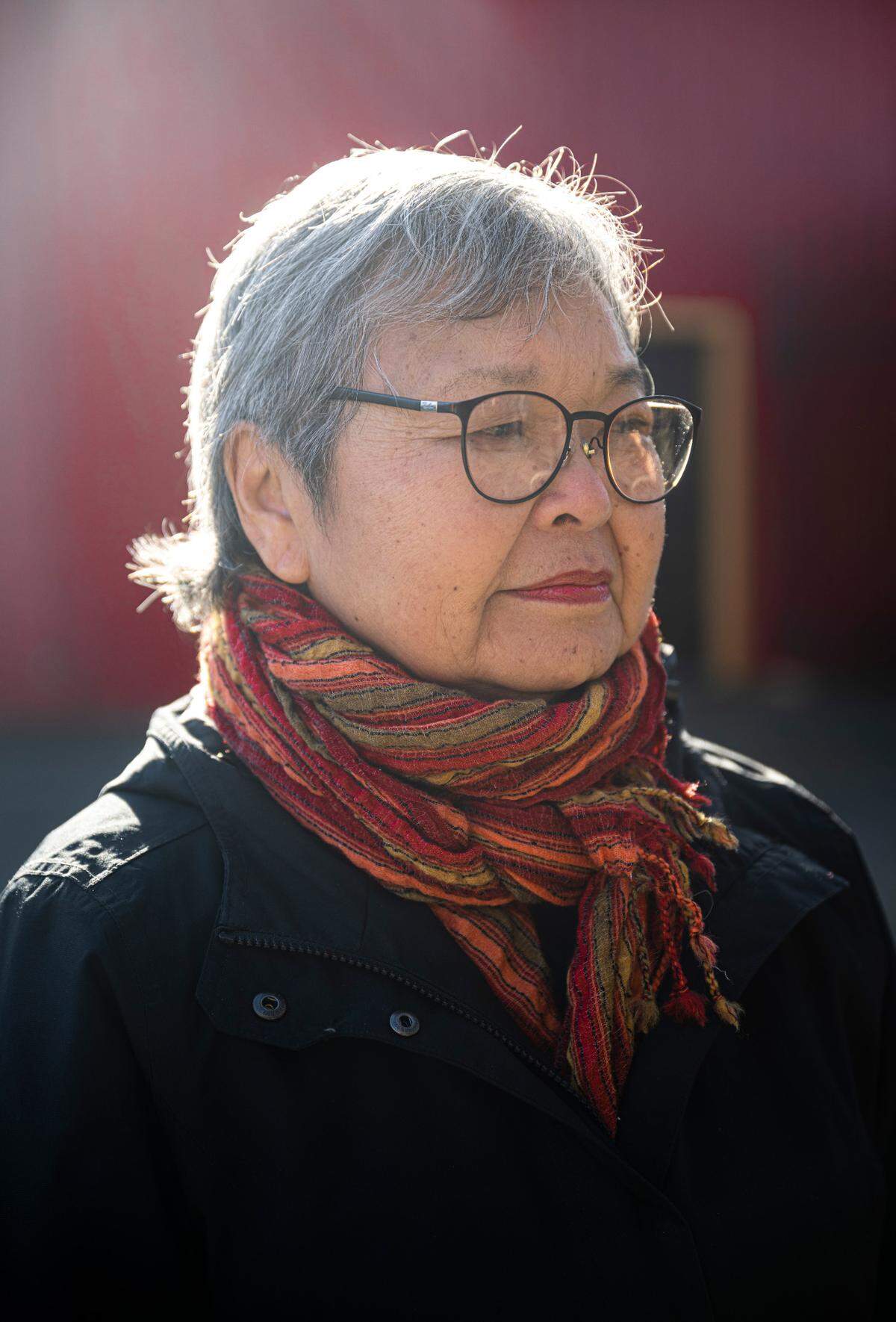
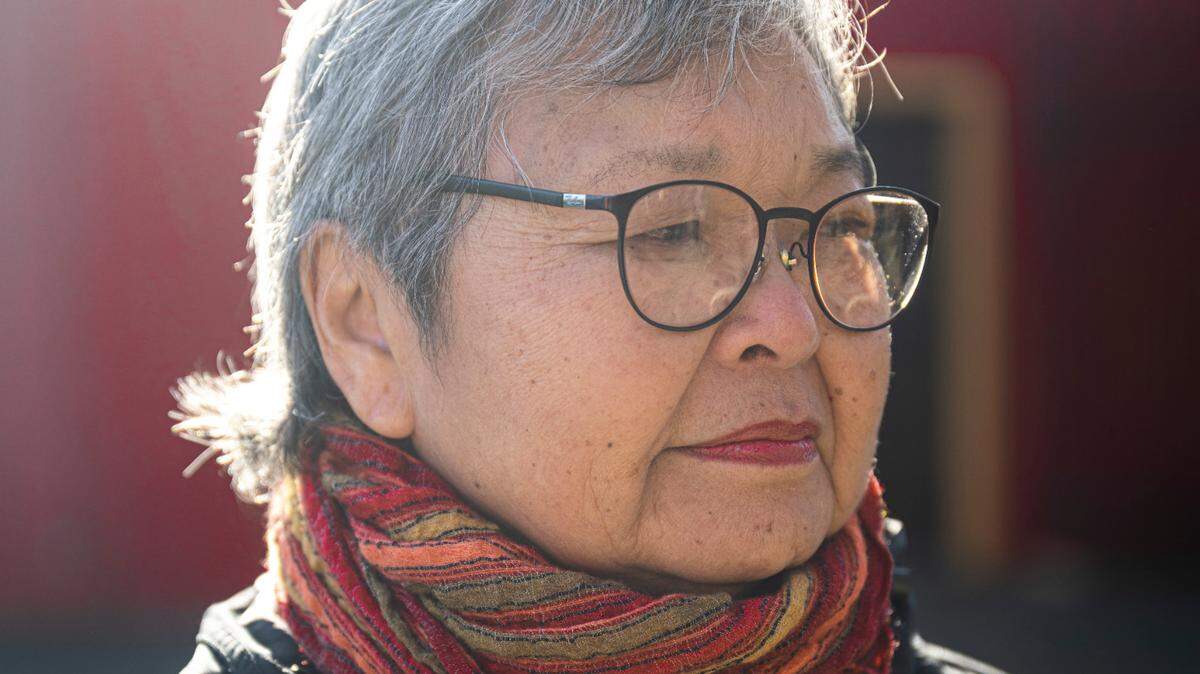
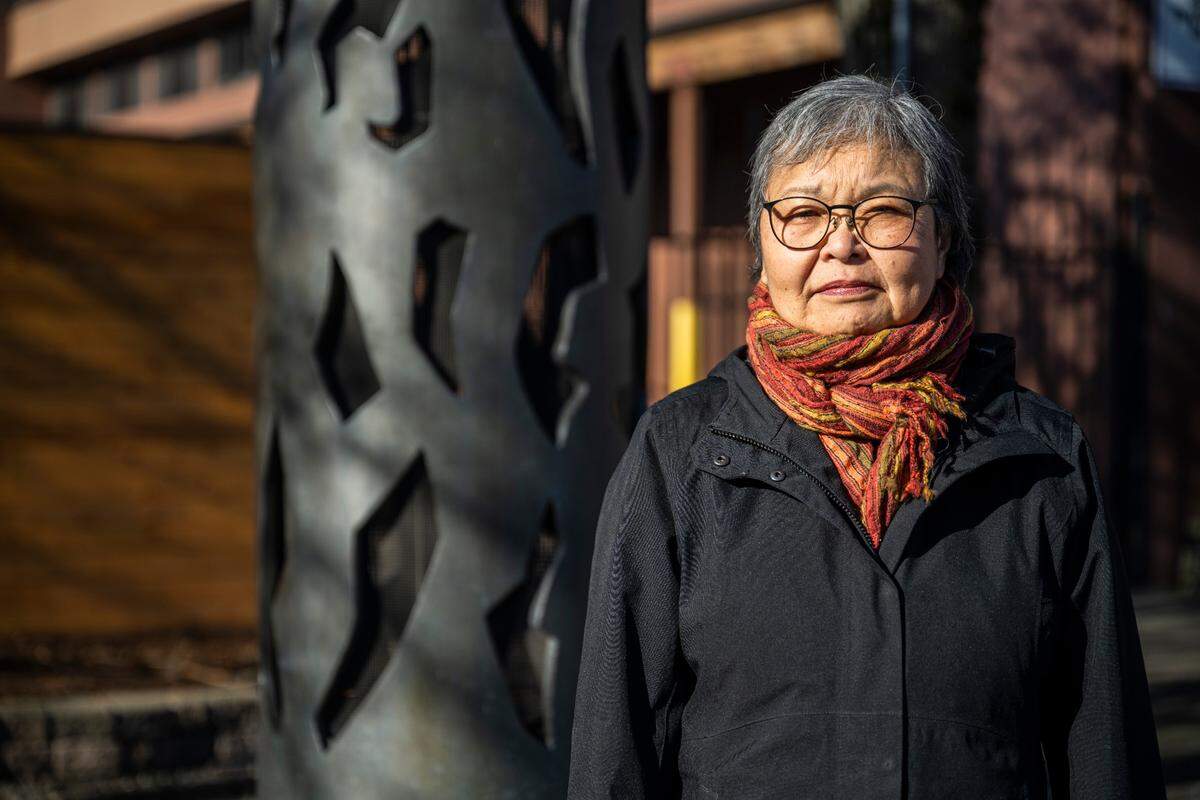
Mary Tanaka Abo, 82, poses for a portrait next to the statue, “Harmony,” that was created by Japanese American artist George Tsutakawa, to honor the people of Japanese ancestry that were incarcerated on the Washington State Fair grounds in Puyallup, Wash. during WWII, on Feb. 1, 2023. Abo was two-years-old when she and her family were forced to live at the camp after being removed from their home in Juneau, Alaska in 1942. The Puyallup Valley Japanese American Citizens League plans to build a remembrance gallery under the grandstands of the Washington State Fair to honor all of the Japanese American people who were incarcerated at the “Puyallup Assembly Center” or “Camp Harmony” during WWII.
Mary Tanaka Abo, 82, poses for a portrait next to the statue, “Harmony,” that was created by Japanese American artist George Tsutakawa, to honor the people of Japanese ancestry that were incarcerated on the Washington State Fair grounds in Puyallup, Wash. during WWII, on Feb. 1, 2023. Abo was two-years-old when she and her family were forced to live at the camp after being removed from their home in Juneau, Alaska in 1942. The Puyallup Valley Japanese American Citizens League plans to build a remembrance gallery under the grandstands of the Washington State Fair to honor all of the Japanese American people who were incarcerated at the “Puyallup Assembly Center” or “Camp Harmony” during WWII. Cheyenne Boone Cheyenne Boone/The News Tribune

The “Puyallup Assembly Center” — or “Camp Harmony” — was where the Washington State Fair stands at 110 Ninth Ave. SW. This is where thousands of people of Japanese descent from Alaska, Seattle and Pierce County were incarcerated during World War II after President Franklin D. Roosevelt issued Executive Order 9066.

Roosevelt signed the order on Feb. 19, 1942. It called for the removal of Japanese Americans from their homes and forced them into temporary detention facilities and incarceration camps.

The Puyallup Valley Japanese American Citizens League plans to build a remembrance gallery under the grandstands of the fair to honor all those who were incarcerated there.

“We’re going to do something that’s going to speak to that experience and educate so that hopefully it never happens again,” president Eileen Yamada Lamphere said.
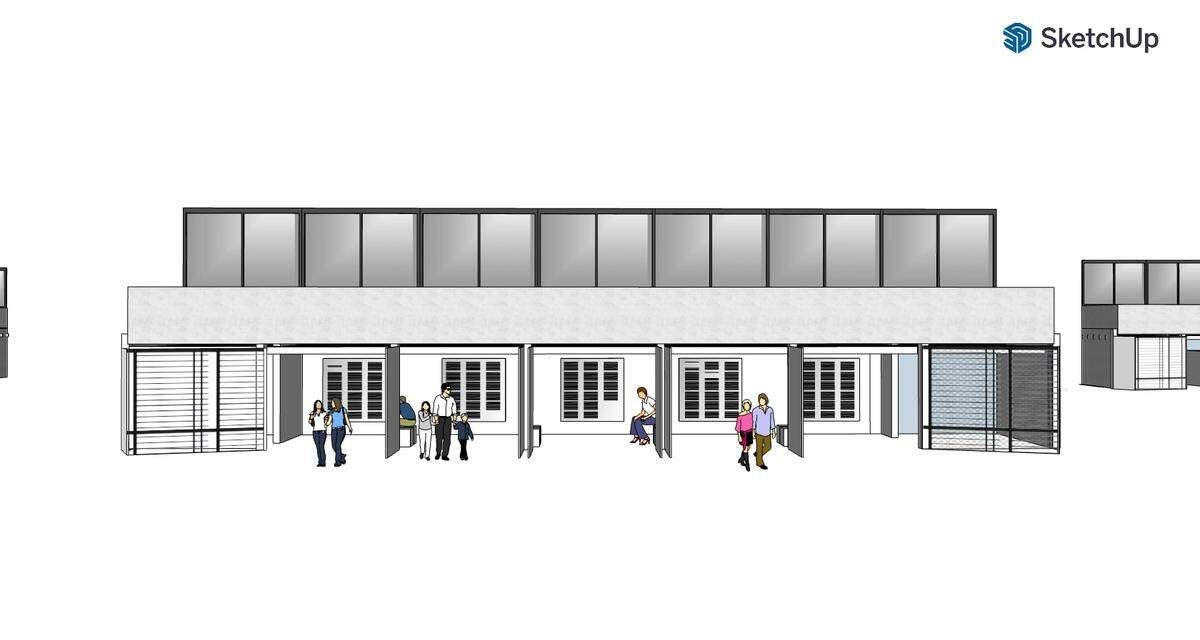
The Puyallup Valley Japanese American Citizens League plans to build a remembrance gallery under the grandstands of the Washington State Fair.
The Puyallup Valley Japanese American Citizens League plans to build a remembrance gallery under the grandstands of the Washington State Fair. Courtesy of Sharon Sobie Seymour

The Puyallup Valley JACL is planning to complete the gallery between winter 2023 and spring 2024. It has a $1.6 million price tag, and the group has raised over $180,000 so far. The group has applied for grants and is continuously looking for sponsors and donors. Information about how to donate is available at puyallupvalleyjacl.org/about-4.

The 80-foot-long, 10-foot-wide gallery will be permanent. The goal is to list the 7,600 names of everyone incarcerated there. There are also plans to recreate a horse stall so visitors can experience what people’s living situation was like at the detention facility.

“They were very cramped, very depressing living quarters,” project manager Sharon Sobie Seymour said.

Abo’s memories of the facility come mostly from her family’s recollections, she said. She comes from a family of six — she has an older sister and two older brothers.

Abo and her family were brought to Washington by ship. They stayed in Puyallup for several months and lived in makeshift barracks. They were eventually sent to Minidoka, an incarceration camp in Jerome, Idaho, to live for the next few years.
Read Next
Mary Tanaka Abo, 82, poses for a portrait next to the statue, “Harmony,” that was created by Japanese American artist George Tsutakawa, to honor the people of Japanese ancestry that were incarcerated on the Washington State Fair grounds in Puyallup, Wash. during WWII, on Feb. 1, 2023. Abo was two-years-old when she and her family were forced to live at the camp after being removed from their home in Juneau, Alaska in 1942. The Puyallup Valley Japanese American Citizens League plans to build a remembrance gallery under the grandstands of the Washington State Fair to honor all of the Japanese American people who were incarcerated at the “Puyallup Assembly Center” or “Camp Harmony” during WWII.
Mary Tanaka Abo, 82, poses for a portrait next to the statue, “Harmony,” that was created by Japanese American artist George Tsutakawa, to honor the people of Japanese ancestry that were incarcerated on the Washington State Fair grounds in Puyallup, Wash. during WWII, on Feb. 1, 2023. Abo was two-years-old when she and her family were forced to live at the camp after being removed from their home in Juneau, Alaska in 1942. The Puyallup Valley Japanese American Citizens League plans to build a remembrance gallery under the grandstands of the Washington State Fair to honor all of the Japanese American people who were incarcerated at the “Puyallup Assembly Center” or “Camp Harmony” during WWII. Cheyenne Boone Cheyenne Boone/The News Tribune

Families who were incarcerated had to leave their homes and businesses behind. They could only bring as many belongings as they could pack. After being released from Minidoka, Abo and her family decided to return to Alaska. Her father reopened his cafe, which was his livelihood, Abo said. He had planned to support his children’s college education by running the cafe for years.

Abo earned a degree in creative writing and English from the University of Washington. She took a teaching job in Bremerton, married, and had children.

Abo said she is impressed that the Puyallup Valley JACL is tackling the memorial project. Having a permanent memorial under the grandstands is “a really wonderful idea,” she said.

“I think it’s important for visitors to realize that it had two purposes at one time and it should never again be a place to hurt and imprison humans,” Abo said.
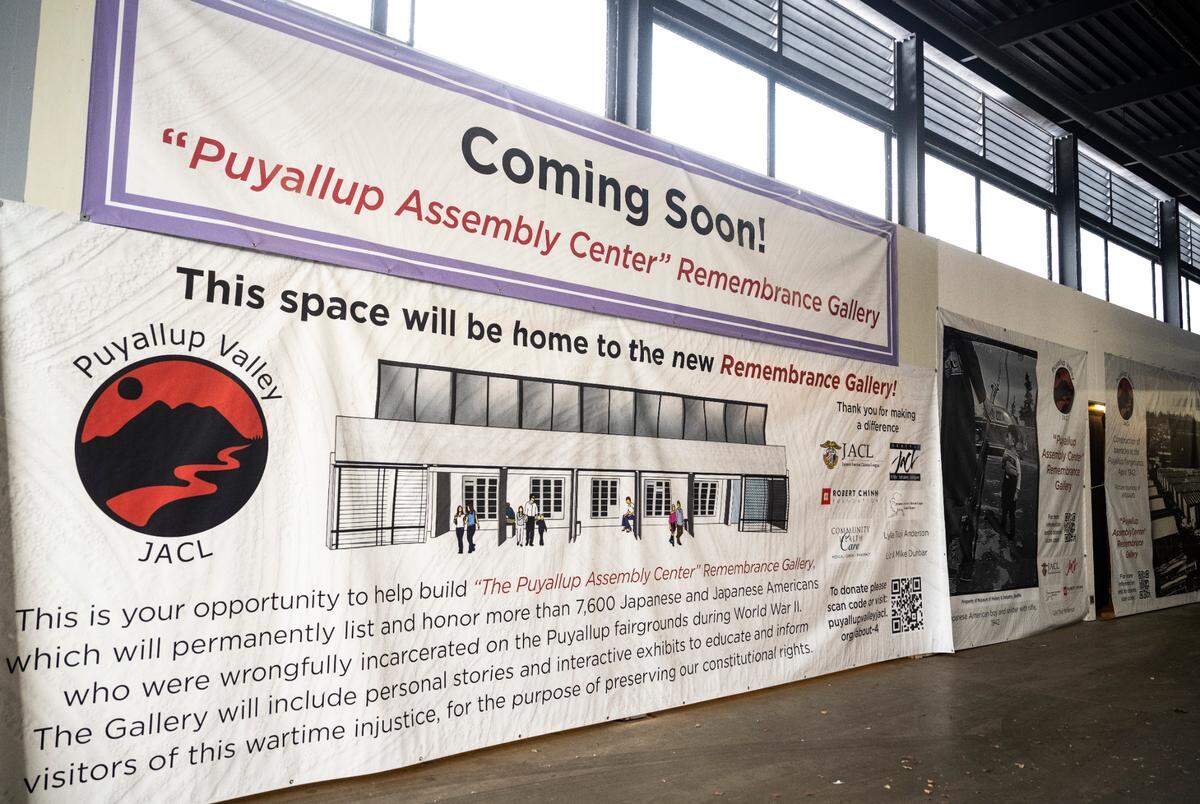
Banners cover the area where the Puyallup Valley Japanese American Citizens League plans to build a remembrance gallery under the grandstands of the Washington State Fair to honor all of the Japanese American people who were incarcerated at the “Puyallup Assembly Center” or “Camp Harmony” during WWII, on the fair grounds in Puyallup, Wash. on Feb. 1, 2023.
Banners cover the area where the Puyallup Valley Japanese American Citizens League plans to build a remembrance gallery under the grandstands of the Washington State Fair to honor all of the Japanese American people who were incarcerated at the “Puyallup Assembly Center” or “Camp Harmony” during WWII, on the fair grounds in Puyallup, Wash. on Feb. 1, 2023. Cheyenne Boone Cheyenne Boone/The News Tribune
Read Next

This story was originally published February 19, 2023 at 5:00 AM.
Follow More of Our Reporting on BIPOC Trailblazers of East Pierce County

Angelica Relente
The News Tribune
Angelica Relente covers topics that affect communities in East Pierce County. She started as a news intern in June 2021 after graduating from Washington State University. She is also a member of Seattle’s Asian American Journalists Association. She was born in the Philippines and spent the rest of her childhood in Hawaii.
Get unlimited digital access
#ReadLocal

Try 1 month for $1

CLAIM OFFER

BIPOC Trailblazers of East Pierce County

Our BIPOC Trailblazers of East Pierce County will showcase agents of change. Trailblazers aren’t afraid to make waves. They make it a priority to positively impact those around them. They transform their community for the better.