Man who killed 12-year-old Michella Welch in a Tacoma park in 1986 has been sentenced
READ MORE
The Michella Welch case
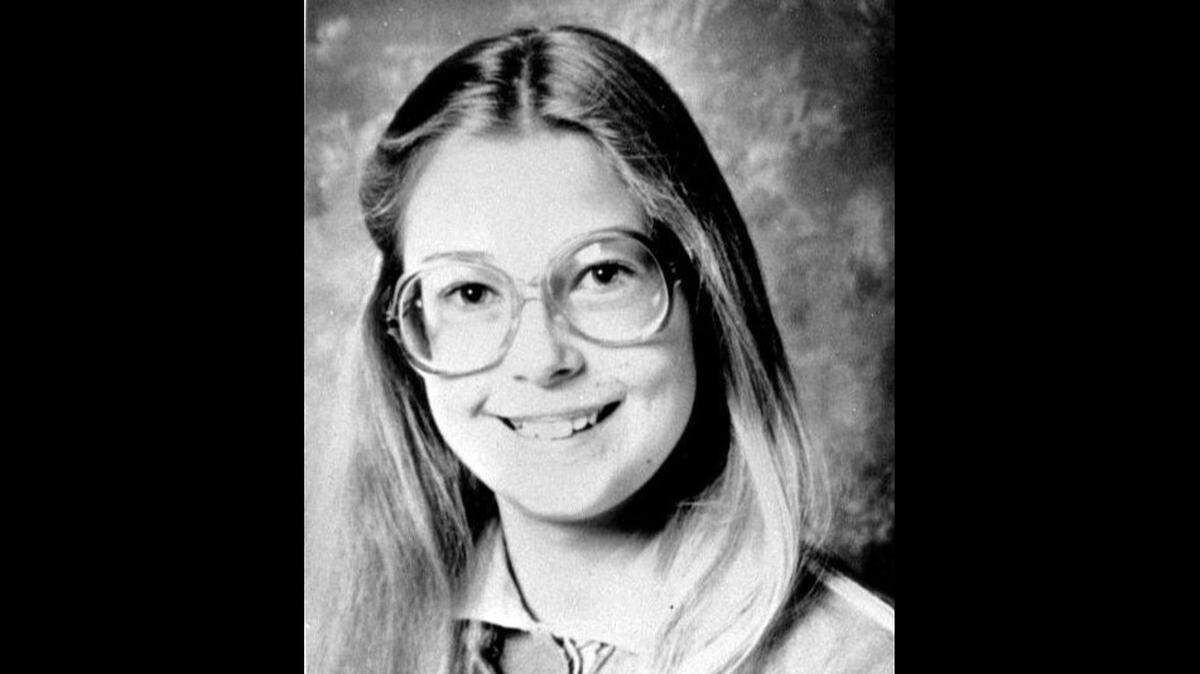
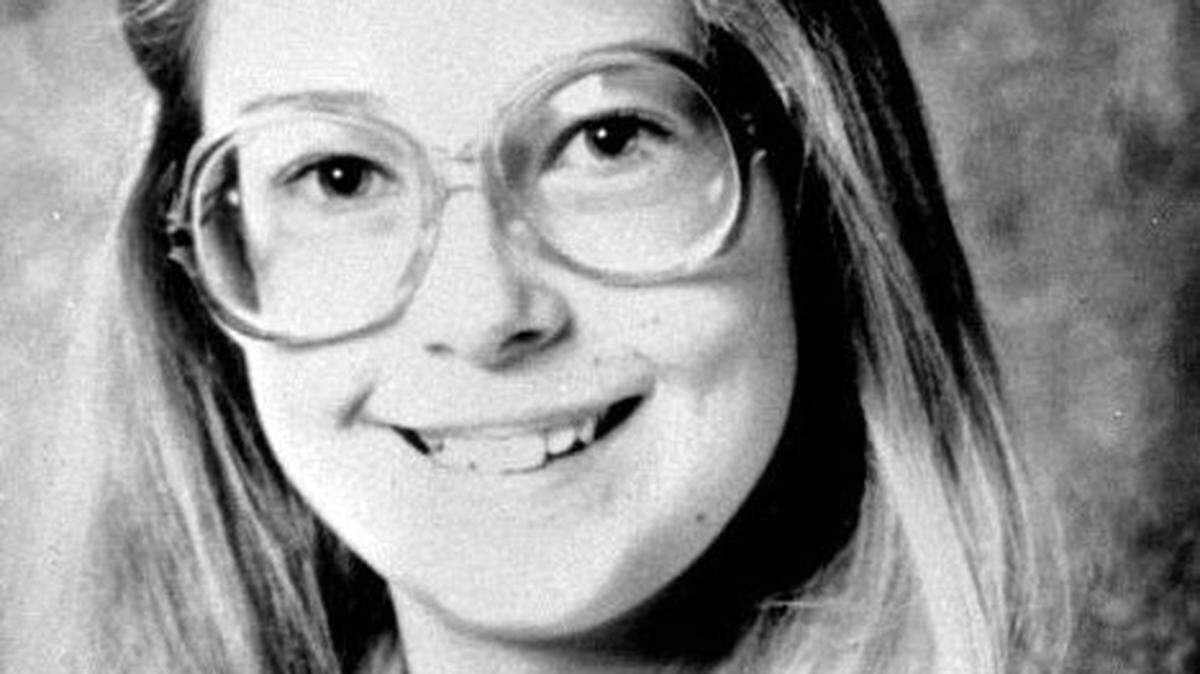
Michella Welch, 12, was the first of two girls killed in 1986. Cold case detectives investigated for decades until in 2018, DNA was used to link two different suspects the deaths of Michella and Jennifer Bastian, 13. Here is The News Tribune’s coverage of the Michella Welch investigation.
Expand All
The man who killed Michella Welch in a Tacoma park in 1986 likely will spend the rest of his life in prison.
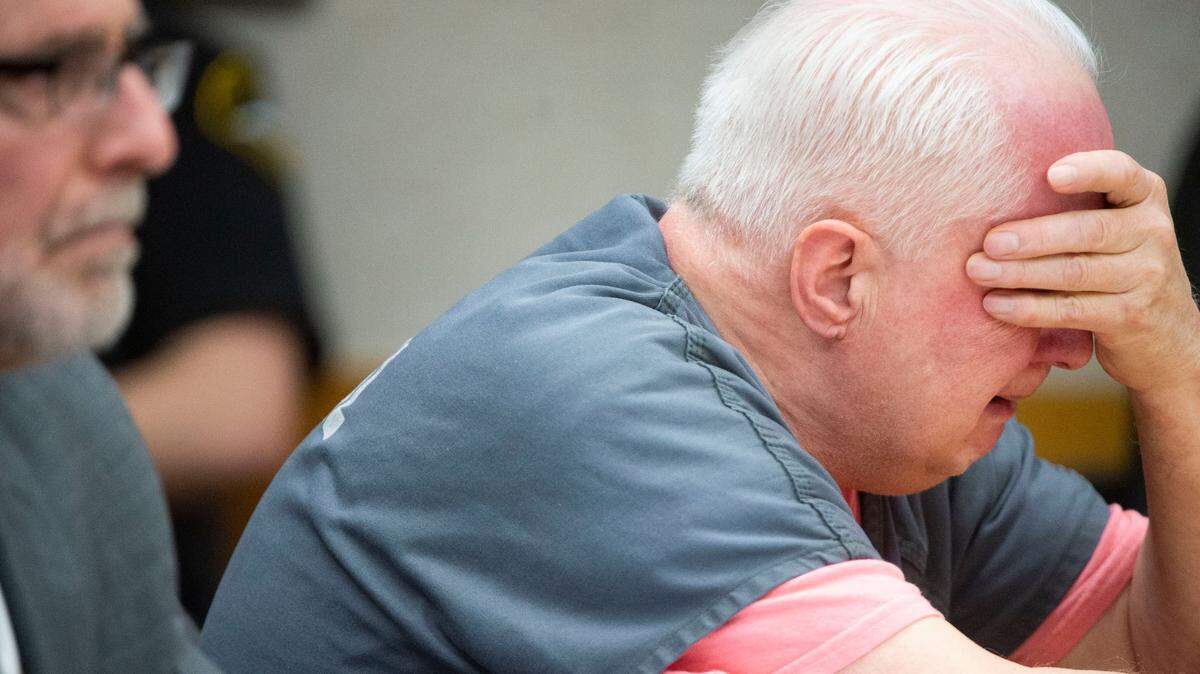
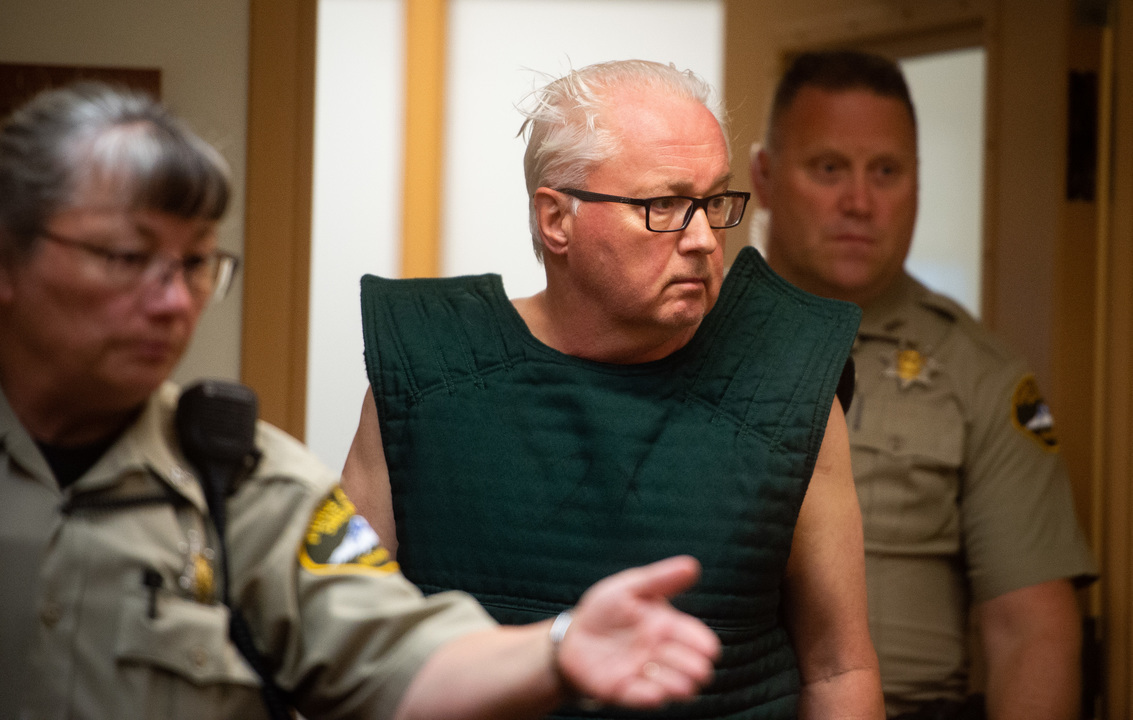
Gary Hartman, 70, was found guilty Tuesday of first-degree murder during a bench trial that lasted less than two hours. Pierce County Superior Court Judge Stanley Rumbaugh sentenced Hartman to 26 years, six months in prison.
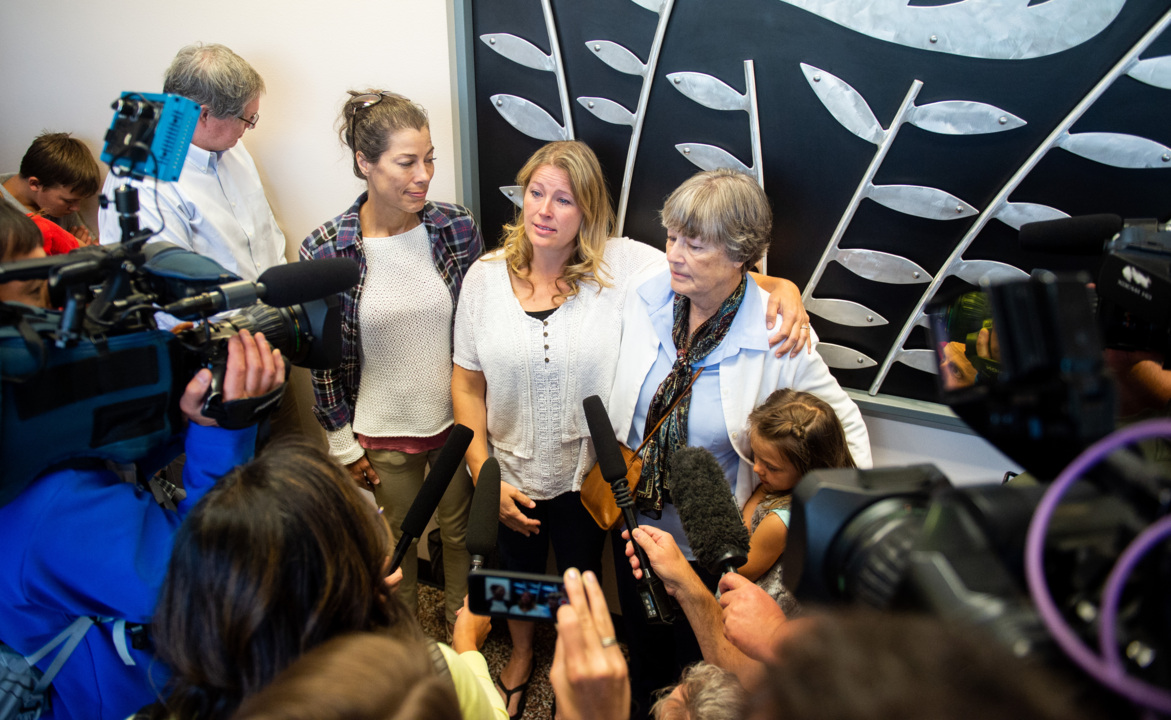
Hartman cried throughout the proceeding, his sobs getting louder as Welch’s mother and sister spoke about the beautiful, thoughtful girl they lost and the grief that has trailed them for decades.
“I am so sorry. God knows I’m so sorry,” Hartman said. “And that doesn’t help. I’m just sorry.”
Welch was killed March 26, 1986, after taking her two younger sisters to play in Puget Park.
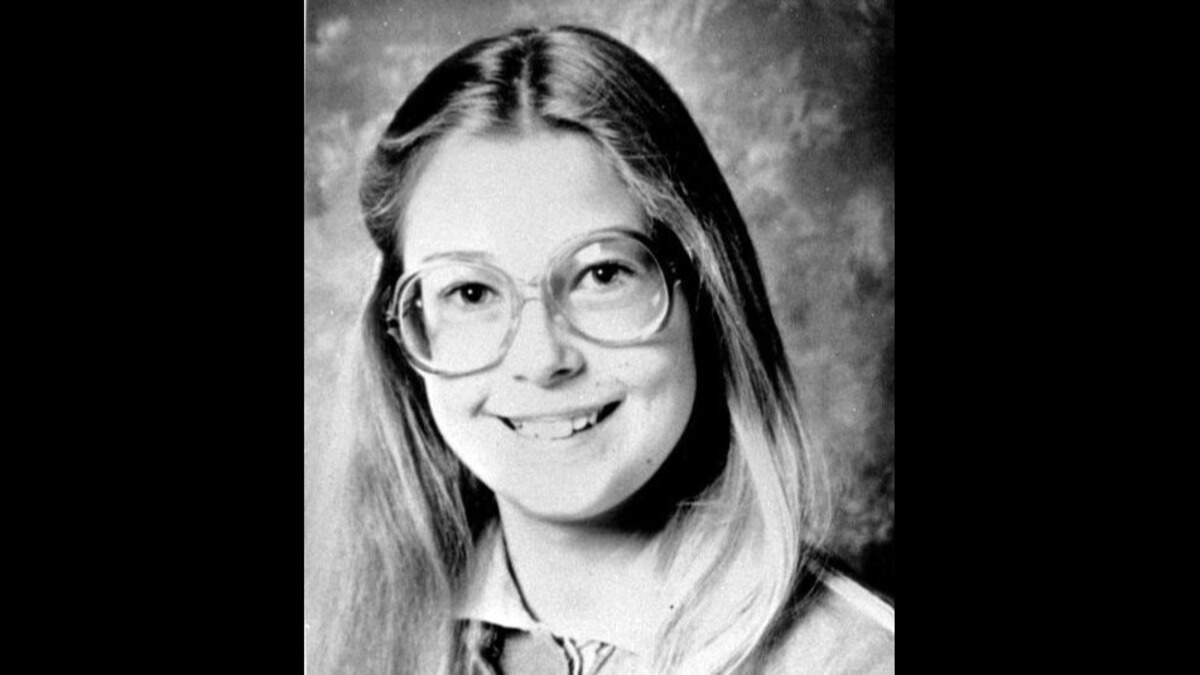
At some point, she went home to grab sandwiches for lunch. Her sisters, who left the park to find a restroom, returned and saw Welch’s bike and bagged lunches but did not find Welch. They eventually called a babysitter for help, who called the girls’ mother and police.
Detectives believe Welch returned to the park and went looking for her sisters. Witnesses saw her talking to a man pointing down a trail into a ravine.
That night, a search dog found Welch’s body in the gulch near a makeshift fire pit, about a quarter mile from the play area.
She had been sexually assaulted and killed by a cut to the neck and blunt force trauma to the head.
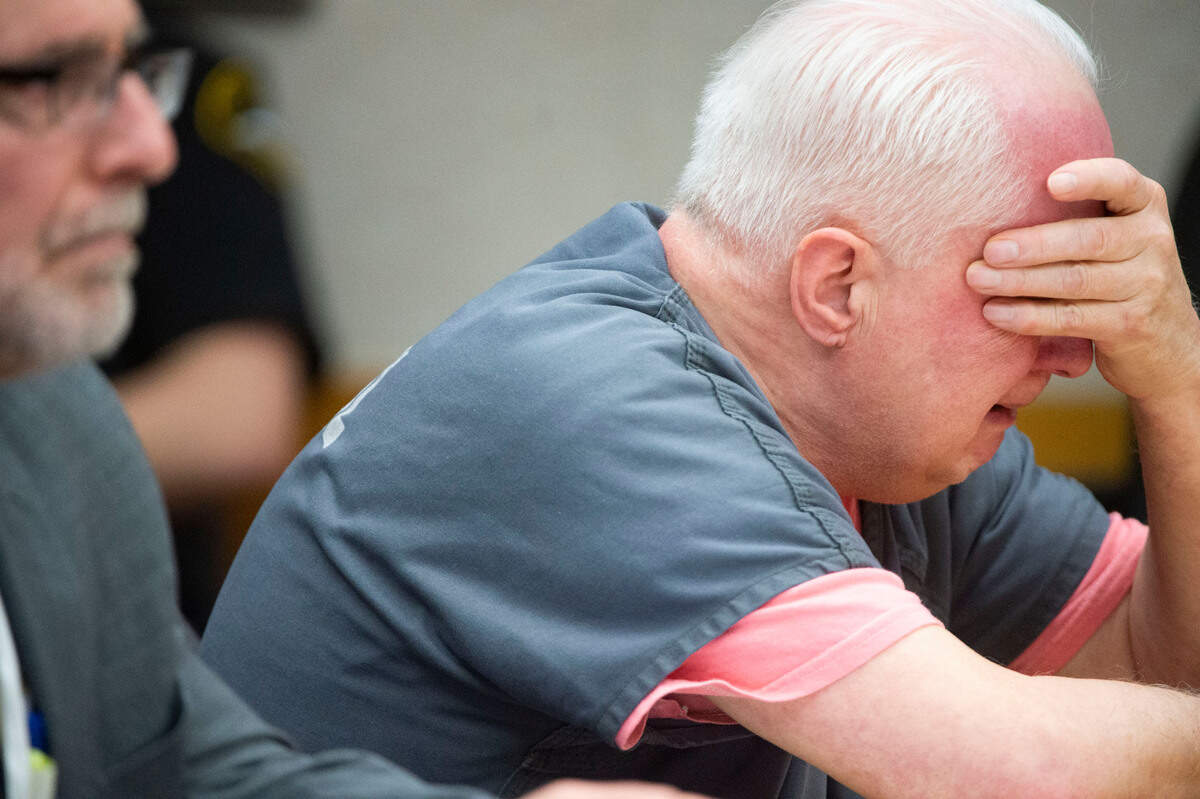
Defense attorney Bryan Hershman said Hartman’s father began giving him alcohol when he was still in a high chair to “make him a man,” and his mother got him hooked on pills before he was 10. He described Hartman’s childhood as “hell,” detailing multiple instances of sexual assault and domestic abuse.
“At the time of this offense, he didn’t know Tuesday from Wednesday,” Hershman said. “His mental health and his addiction was so severe that he convinced himself he did not do this. He woke up at some point in the county jail with the realization that he was the one who committed this atrocious act.”
Hartman was arrested in June 2018 after a genetic genealogist used a DNA sample from the crime scene to build a family tree that eventually led police to Hartman and his younger brother, who both lived in the city’s North End at the time Welch was killed in Puget Park.
Detectives conducted surveillance on the brothers and collected DNA samples after following them to restaurants on different days. Hartman’s DNA was taken from a brown paper napkin; his brother’s DNA was taken from a straw.
Within weeks, results were back: Hartman’s DNA matched the DNA found on Welch’s body, and he was taken into custody during a traffic stop in Lakewood.
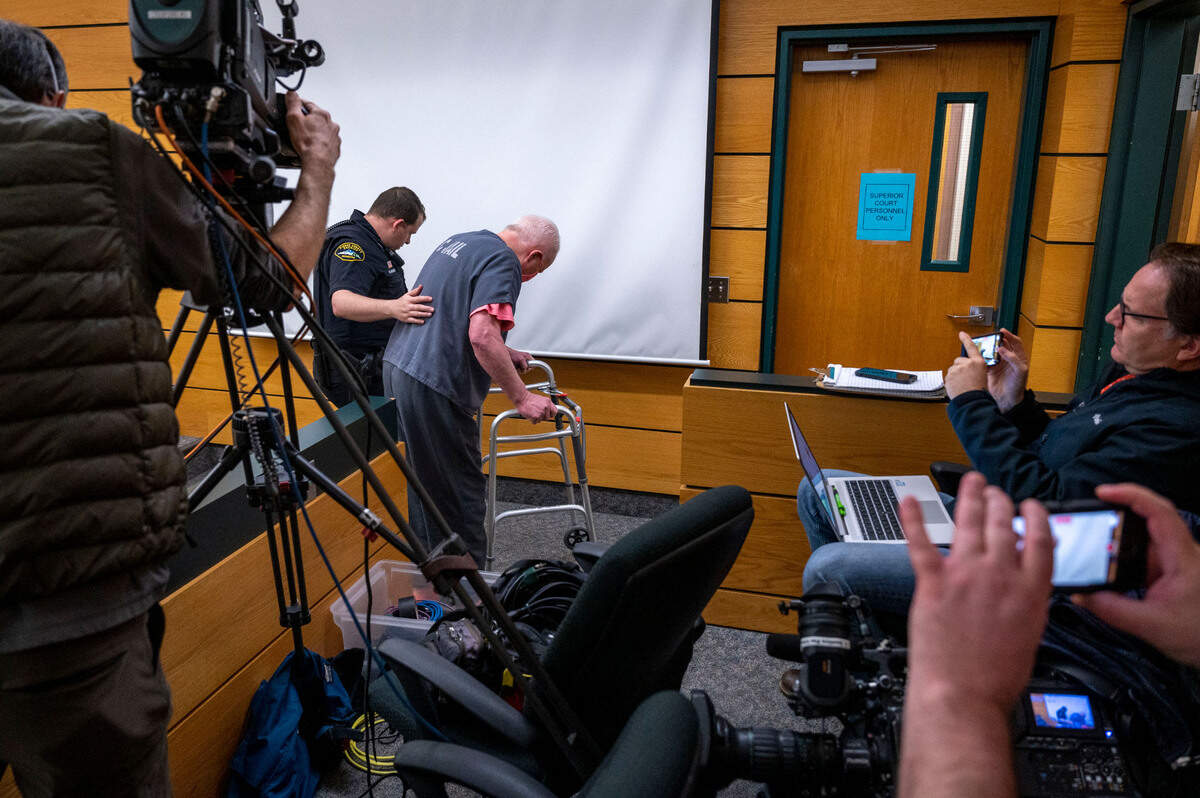
Hartman sensed the police surveillance prior to his arrest and told a co-worker “30 years ago he had done something terrible and he thought he had been discovered,” prosecuting attorney Lisa Wagner told the court.
During the decades-long search for Welch’s killer, Hartman continued to live in Pierce County.
When Welch died, Hartman lived less than two miles from Puget Park.
He got sober in 1989, Hershman said, and obtained a license as a registered nurse. Hartman worked as a community nurse specialist at Western State Hospital before his arrest, helping discharged patients reintegrate into society.
He went on to marry four times and have two daughters, records say.
Carol Broggi, Welch’s aunt, said she wonders if Hartman was a good father, if he protected his daughter from people like him, if he realizes how much he hurt her family and his own.
“This one person has inflicted tremendous pain and impacted so many people,” Broggi wrote in a victim impact statement.
Like the rest of the Welch family, she advocated for Hartman to spend the rest of his life in prison.
“I want to know that we don’t have to be watchful any longer or give him any further thought of being out in the world,” Broggi wrote.
Betty Scarpino, another of Welch’s aunts, said Michella’s tragedy was always on her mind and made her vigilant about her own children’s whereabouts. She also said a visit to Tacoma after Welch’s death made her realize other parents had become more alert and protective.
“Not only was our family grieving, an entire community was traumatized,” Scarpino wrote in a victim impact statement. “Thirty years is a long time to agonize over ‘who did this to Michella and why is he still living a free life?’”
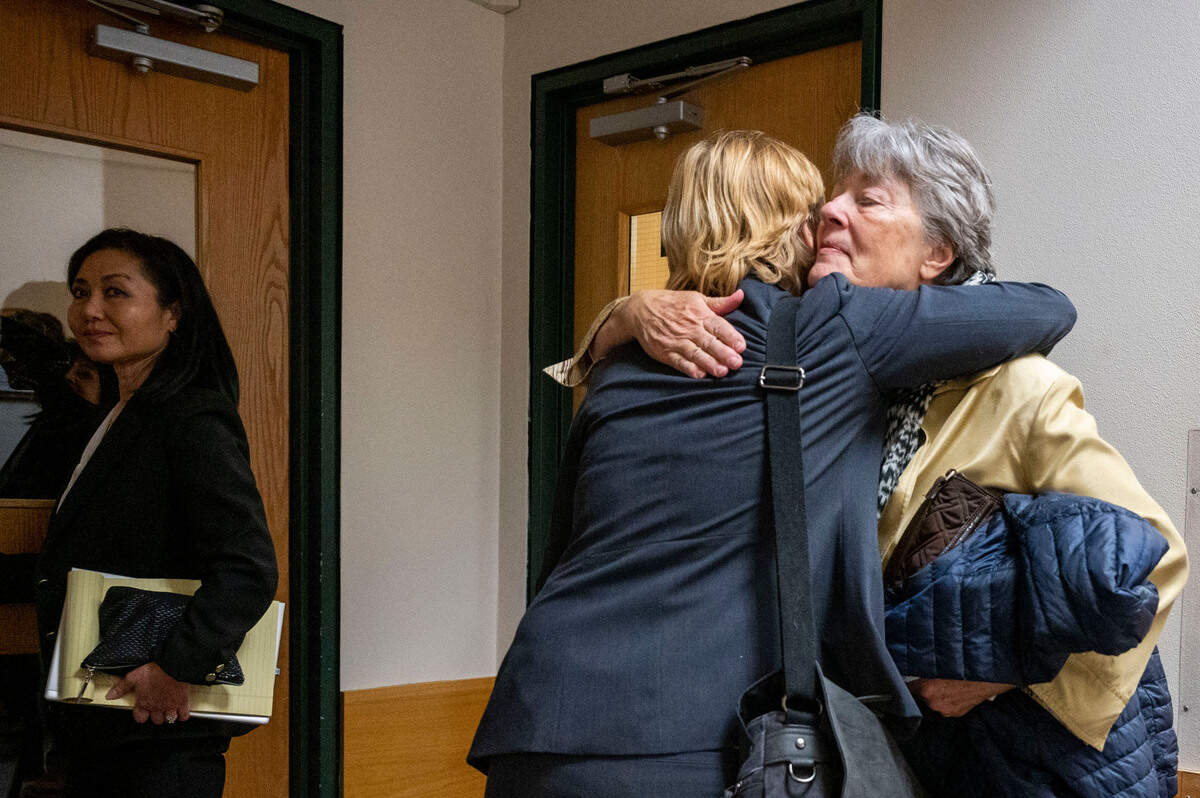
Several of Welch’s family members flew in from out of state to attend the court hearing. Two cold-case detectives who worked the case before retiring from the Tacoma Police Department also were in attendance.
Her mother, Barbara Leonard, and younger sisters, Angela Velazquez and Nicole Eby, spoke in court about how Welch’s death impacted their lives.
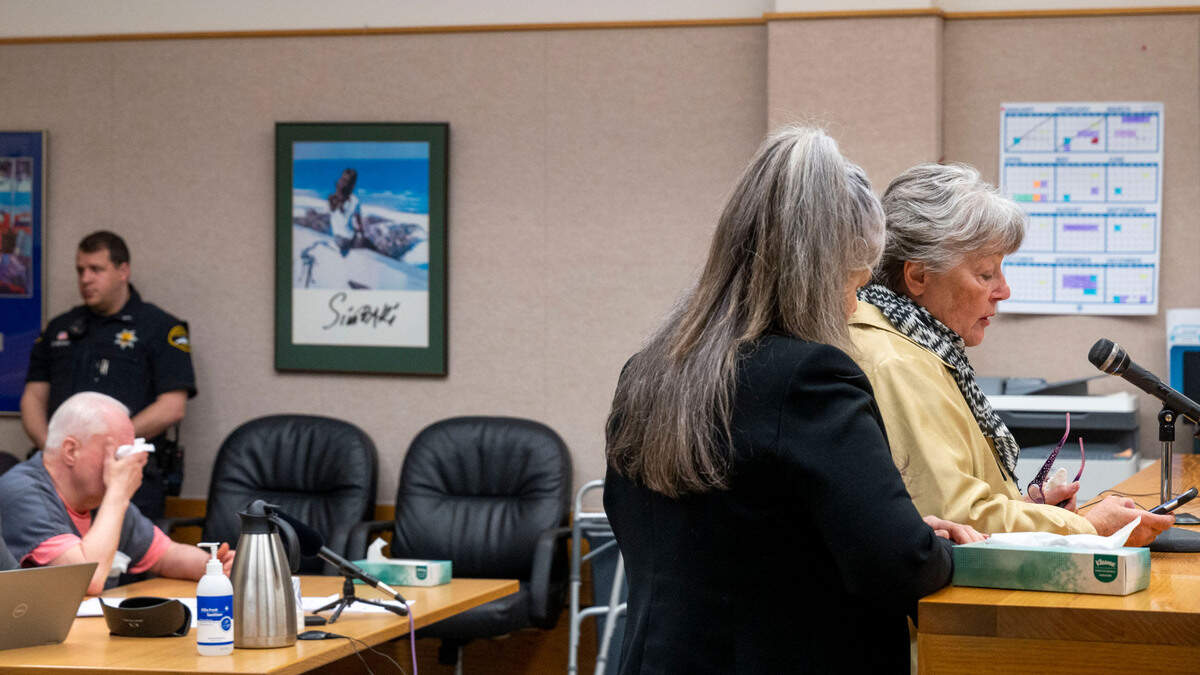
“Michella was a happy child. She was also trusting. Too trusting,” Leonard said, adding that she’s often wished to trade places with Welch. “This is the day (Hartman) faces the judge. I say lock him up and throw away the key. It won’t bring her back, but justice will have been served.”
Eby talked at length about having to grow up too soon, suffering from repeated nightmares after Welch’s death and how she still struggles with putting up walls with other people, including her family, because she’s afraid of losing more people she loves.
She also said she forgives Hartman.
“Forgiveness is the only way to keep me from being infected by the continual pain and keep furthering it on,” Eby said. “I do not wish any harm to come to him because I would be of the same spirit as him. Though our lives are linked together because of this tragedy, I do not want to be of the same mindset in harming others.”
Prosecutors said they tried to get a similar outcome in Welch’s case as they did with the killer of 13-year-old Jennifer Bastian, who was also killed in 1986.
Police for decades believed the same person killed the girls due the close proximity of attacks and physical resemblance of the victims.
Bastian went missing Aug. 4, 1986, while riding her bicycle in Point Defiance Park. Her body was found weeks later in a wooded area off Five Mile Drive.
The theory that the deaths were connected ended in 2013 after detectives tested a piece of evidence from the Bastian scene and found the DNA did not match DNA found at the Welch scene.
Both DNA samples were run through a national database for convicted felons but did not get a match.
Hartman, who has no prior criminal history, was not considered a suspect in Welch’s death until the DNA results in 2018.
Bastian’s killer, who was also identified through DNA, was sentenced in January 2021 to nearly 27 years in prison.
Hartman waived his right to a jury trial, choosing instead to do Tuesday’s bench trial. Hershman and prosecutors agreed to certain facts surrounding Welch’s death in a 16-page document before the judge found Hartman guilty of first-degree murder. As part of the stipulation, the first-degree rape charge was dropped.
“I believe the defendant has done everything he can to almost plead guilty,” Wagner, the prosecutor, said in court. “Given the defendant’s age, we believe this is the best resolution.”
Stipulating to certain facts but not pleading guilty allows Hartman to appeal a motion filed last month arguing against the DNA found in a genealogy database, officials said.
The motion questions the validity of the process linking Hartman to the crime since his DNA was not directly submitted to the database. It was DNA belonging to distant cousins that led police to Hartman.
Tacoma police “unreasonably intruded into Mr. Hartman’s private medical and familial affairs without authority of law,” according to the motion.
Prosecutors argued in their response that Hartman lost his right to privacy for the DNA he discarded at the scene.
The judge denied the motion, leading to Tuesday’s bench trial.
“Whatever your life has been subsequent to March 26 of 1986, it cannot erase or moderate the horror of the crime,” Rumbaugh told Hartman before giving him the maximum sentence allowed by law. “There are no excusing conditions for your behavior. You are guilty of one of the most malignant and depraved crimes” this court has seen.
This story was originally published March 22, 2022 at 2:20 PM.