It passed but can it last? Hurdles remain for Pierce County homeless village project
READ MORE
Headwinds for Pierce County Village
The Pierce County Village is a planned micro-home community near Spanaway for people experiencing chronic homelessness. The News Tribune reviewed more than 18,000 documents spanning nearly two years to learn the origins of the ambitious tiny-home community.
Expand All
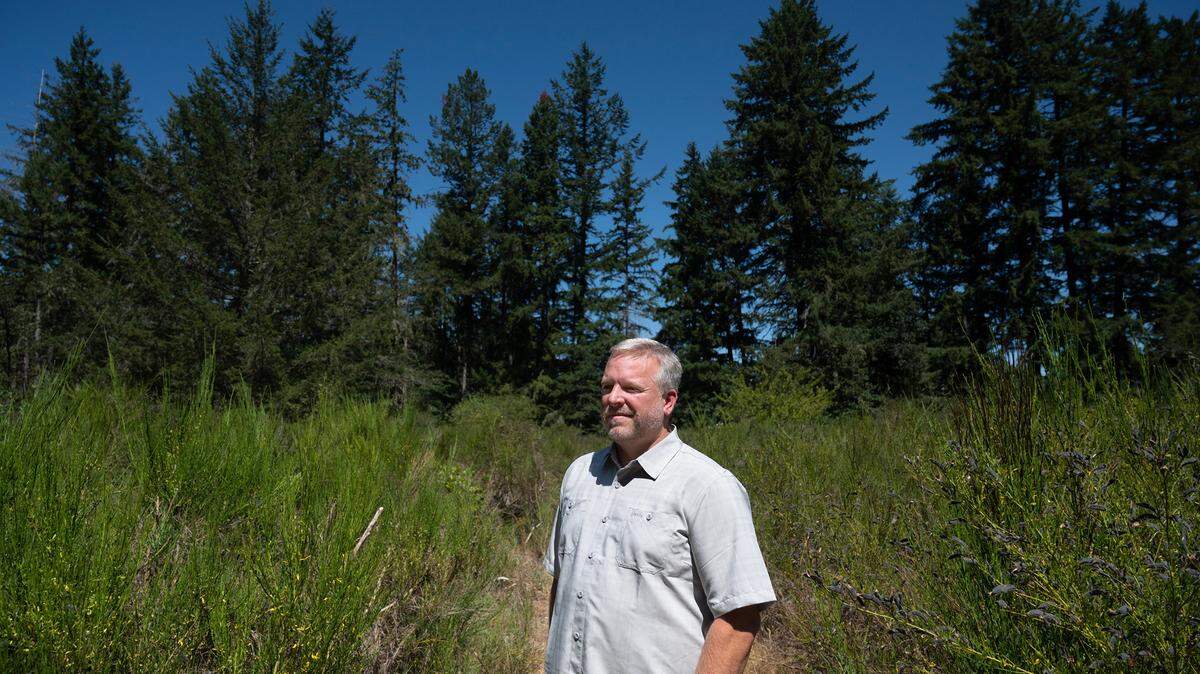


Into the eleventh hour, the fate of the Pierce County Village appeared in limbo.
The major homeless project, expected to introduce an influx of permanent supportive micro-homes near Spanaway, needed to clear two votes in front of the County Council on March 21: One for land and the other for money.
Within two days of those votes, the project’s operator and a councilman separately warned that the village was in deep jeopardy as the two quarreled over how big was too big, according to public records obtained by The News Tribune.
“This isn’t personal but I want it to be clear. Any additional restrictions and TRM will need to let this project go and walk away, and we are prepared to do this,” Tacoma Rescue Mission executive director Duke Paulson wrote in a March 19 email, which he sent to the entire Council but addressed to Democratic Council Chairman Ryan Mello.
Two days later — on the day of the votes — Mello sent text messages to county Human Services director Heather Moss, in which he said Paulson was asking for too much. Mello also wrote he lacked confidence in Paulson, the project team and the county Executive’s Office.
“If he demands anything more than what (Republican Councilman) Dave (Morrell) and I shook on at 6 pm last night then Duke will kill the deal,” Mello said in one text. “He needs to understand that.”
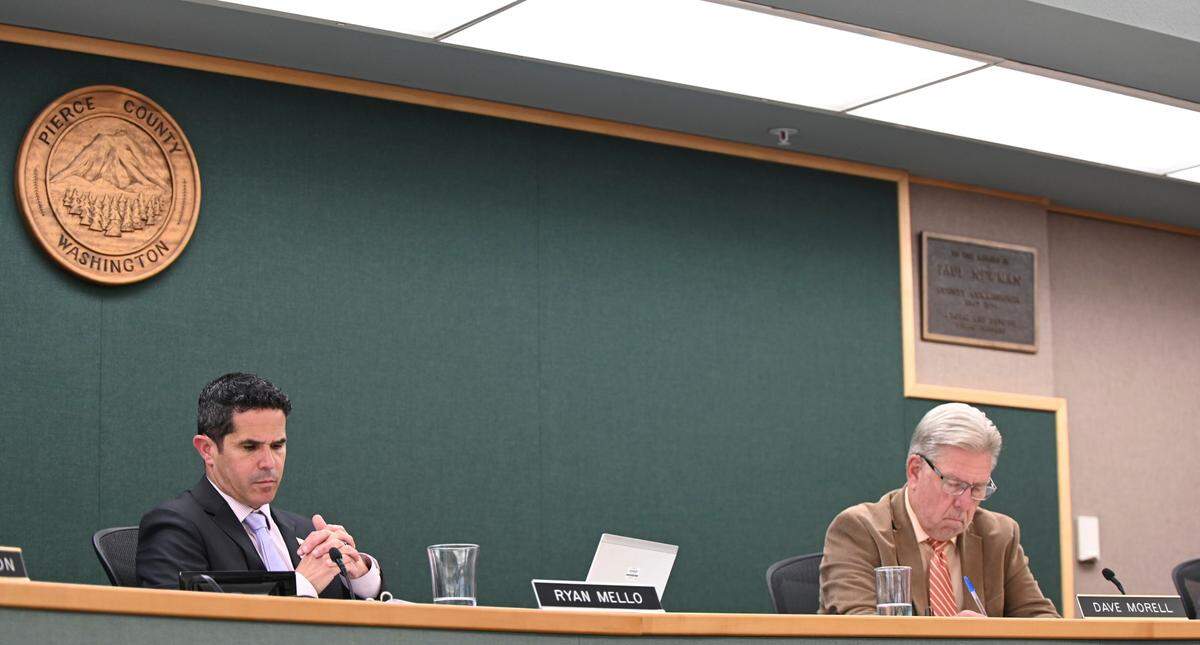
In interviews, the two described moments of frustration when they authored those messages.
Paulson said that the council was considering “artificial” size limitations on the 285-unit village, including removing kitchens and toilets from units, which constrained the nonprofit from bringing forth the best possible project. Toilets were kept in as a compromise.
“Every step of the way felt like it was uncertain, all the way up to March,” Paulson said, referring to the prospect of the village’s passage.

Mello said he was unwilling to compromise any further as he weighed housing and density with protecting natural resources on the project site off Spanaway Loop Road.
“I reached my maximum level of risk to what we’re balancing,” he said.
Ultimately, the rescue mission didn’t back out, and the Council majority voted to approve a controversial zoning ordinance needed to site the village while releasing up to $12 million in federal dollars to get the project started.
Morrell didn’t return messages seeking comment.

The near collapse of a cornerstone homeless project in the county, almost two years after the initiative was born in the Republican-led Executive’s Office, illustrates how tenuous the path for the village has been — a mix of political bargaining over a semi-related tax measure and back-and-forth wrangling about the village’s site, funding model and scale.
Democrats have praised the project concept — a community setting with permanent supportive housing and on-site services — but questioned and scrutinized seemingly all other aspects as they mulled environmental concerns and contributing a significant chunk of federal funds for seed money.
“There are some process challenges here, but I want to emphasize that I think everyone is trying to do the right thing on a complicated subject that is a crisis,” former Council Chairman Derek Young, a Democrat who left last year due to term limits, told The News Tribune. “There’s an urgency to this but, at the same time, you still have to make sure that everyone is doing things the right way and protecting the public’s interest.”
Republican Executive Bruce Dammeier’s office has hailed the project, which is modeled after the Community First! Village in Texas, as a restorative plan to help a significant segment of the county’s population of people experiencing chronic homelessness.
“This is an innovative model,” county senior counsel Steve O’Ban said in an interview. “It’s new, but there is reason to believe it can be successful because we have the model in Austin that’s proven itself.”
Yet as Republican Councilwoman Amy Cruver, who voted against project siting and funding, noted in a March email to a constituent: “This project is very divisive.”
The road ahead might not be easier: There will be project permits needed, subsequent potential appeals and much-needed fundraising for the costs of development and possibly operations.
“I think that, from what I’ve heard, there’s a commitment from all sides to try to have a successful project,” Tacoma Pierce County Coalition to End Homelessness spokesman Rob Huff said in an interview. “Ultimately, there’s going to have to be some recognition that the project is more about housing those who need assistance and less about whose side won and the politics.”
What’s ahead
The Pierce County Village is the largest capital project — and most comprehensive in scope — to address homelessness in the county, Dammeier said in an interview. It could produce the largest increase in permanent supportive housing the region has ever seen, according to Michael Mirra, retired executive director of the Tacoma Housing Authority and member of a county advisory board on homelessness.
“It’s promising, partly because of that scale and the need for it,” Mirra told The News Tribune. “And it’s also promising for the new model.”
Expected to be completed in phases before its fully built out in 2029, according to project materials, the village must first get the necessary paperwork.
The council set aside $22 million in American Rescue Plan Act dollars for the project: Up to $12 million was released in March and the additional $10 million is contingent on the village acquiring permits and approvals. The project must secure all needed special-use permits by April 1 and begin site development by Aug. 1, 2024, or risk termination of the funding agreement, according to the county ordinance that spells out the terms.
As that work transpires, lingering environmental concerns about the village’s site could hang overhead through December, threatening to indirectly impact the project.
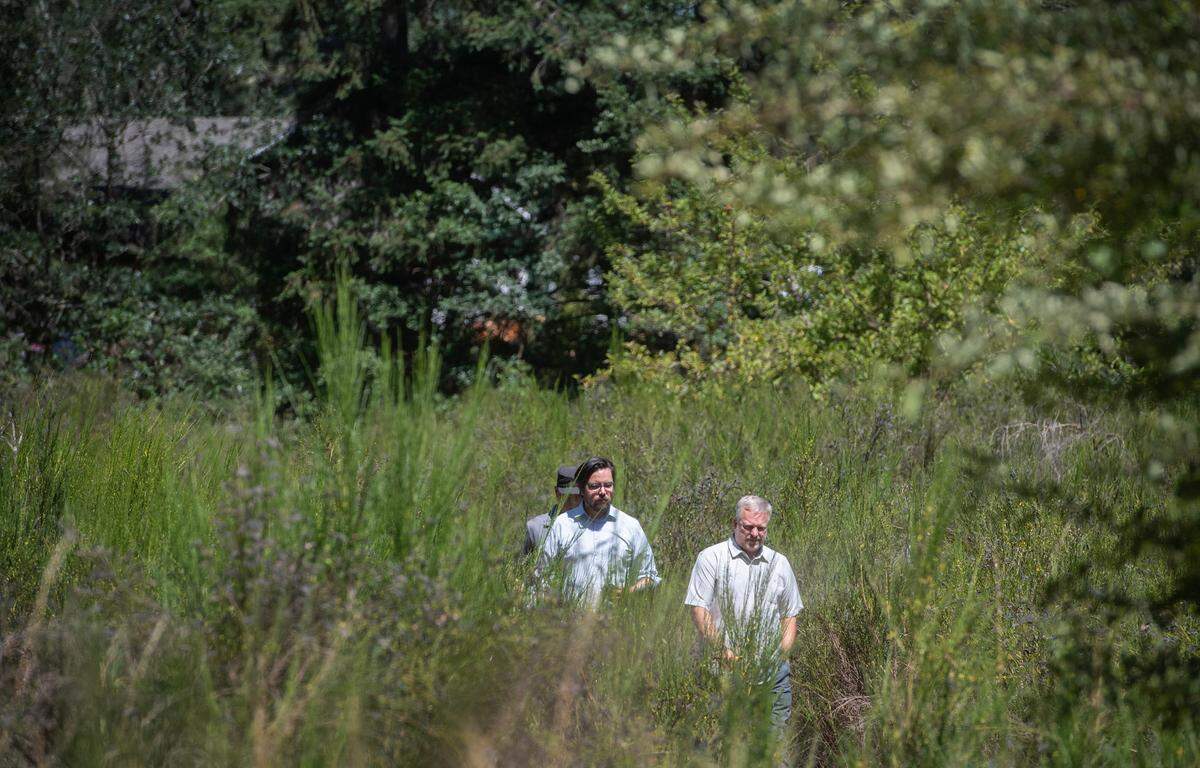
Two groups — environmental nonprofit Futurewise and Spanaway Concerned Citizens — separately challenged the zoning ordinance that was needed to allow a shared-housing village to go inside the low-density residential zone encompassing the site. In petitions to the Growth Management Hearings Board, the groups claimed that the new code violated county and state land-use laws.
“The village is just an example of what happens when we don’t have those protections in,” Melody Atwood, a member of Spanaway Concerned Citizens and who declined an interview, told the county Community Development Committee in July.
The growth management board’s decision on the consolidated case is expected Dec. 6.
Safeguard or bad optics?
Project proponents say the village can be developed outside existing wetlands in full compliance with environmental regulations, pointing to the results of studies from December 2022. Lawyers for the county and the rescue mission have advised that they believe the county can withstand the challenge. Even if they lose, county officials say, the village would survive because it was vested under the regulations in place at the time that permits were applied for.
But the situation poses potential risks for two reasons.
Democrats are worried the case could lead to scrutiny of the county’s newly adopted shared-housing code in other zones and put it in peril. Their remedy — to repeal the ordinance last month — in turn spurred fears from some project proponents that it sent the message that the county was withdrawing support of the village itself.
“That is not a good look,” Mirra said prior to the repeal vote. “You took a big bet at the county’s request for something this ambitious and this reliant on the county’s strong support. What would you think about them undoing the development regulation?”
Then the repeal was repealed.
Dammeier on Aug. 9 used his authority to veto the decision, writing that he had “serious concerns” about the message it sent to the community and that it would’ve erased the potential for future affordable housing projects. The Council overturned the veto on Aug. 22 by a 5-2 vote.
Oddly, the council’s repeal doesn’t go into effect until after the growth management board’s decision due to an amendment from Morrell, who sought to keep the onus on the petitioners to prove the county overstepped its bounds and prevent handing any challengers additional ammunition.
Some project proponent’s underlying concern with the repeal was that it could harm the rescue mission’s ability to attract necessary donors, they said, and make it more difficult to develop the project, which would become a non-conforming use, restricting design changes that might be necessary and throwing a curve ball into the permitting process.
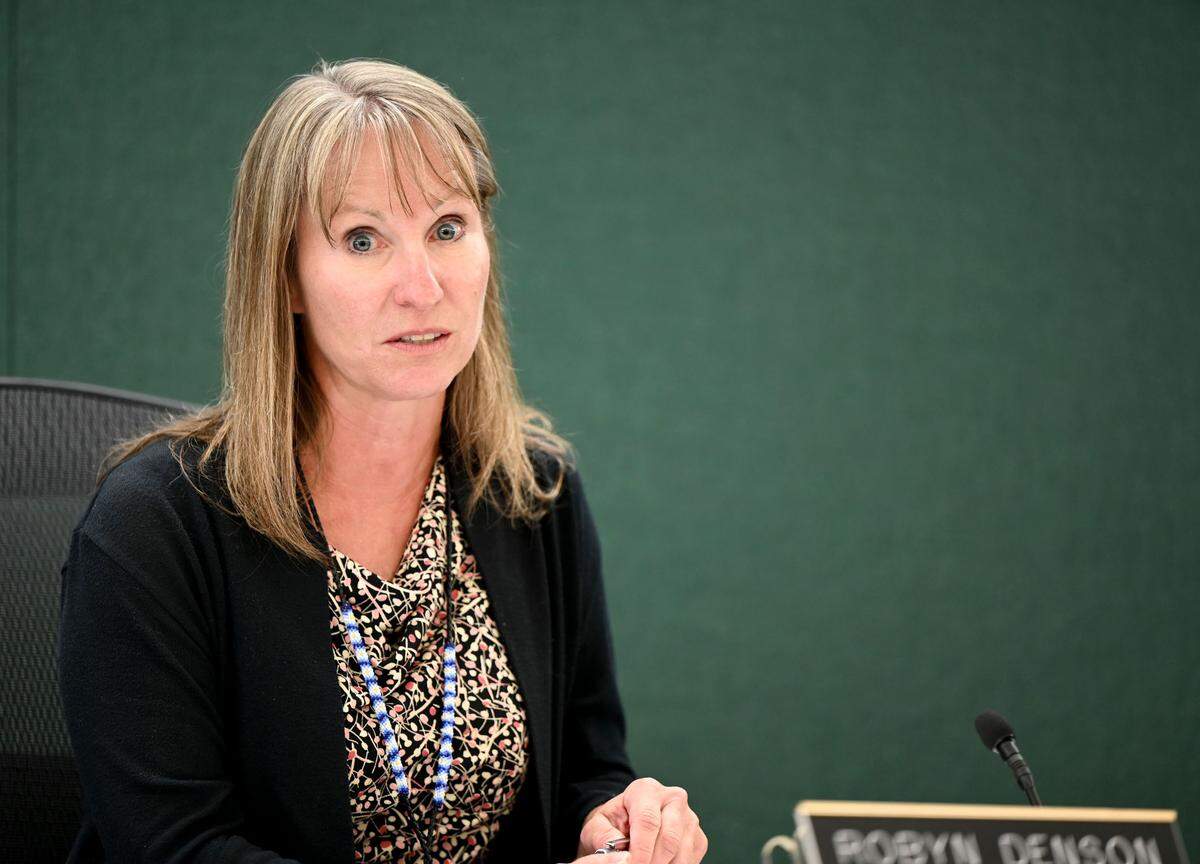
Councilwoman Robyn Denson, a Democrat who led the repeal due to environmental concerns, said in an interview prior to the repeal and veto decisions that the zoning ordinance in question set a bad precedent by allowing high-density projects in a zone not meant for them, and she wanted to avoid several months of legal expenses fighting a case she expected the county would lose.
“At the end of the day, we have to do what’s the right thing to do,” she said. “The situation is uncomfortable, to be sure.”