As pandemic ravaged restaurants, Tacoma tightened rules for offering food delivery
READ MORE
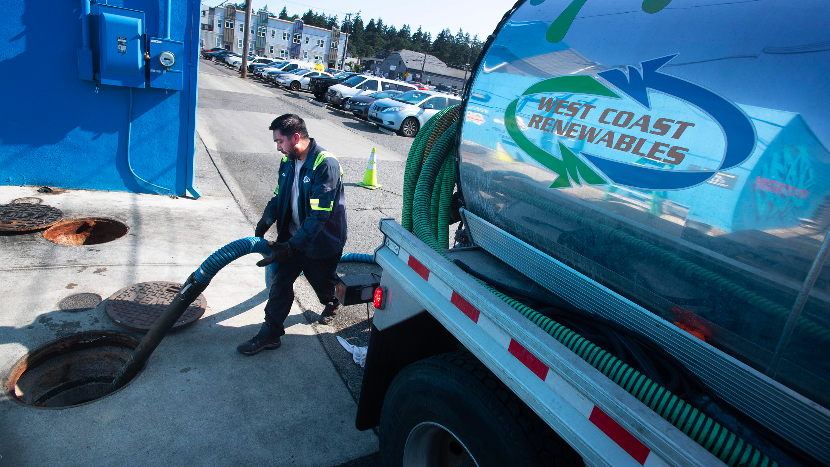
Grease trap rules vex Tacoma restaurant owners
Tacoma’s strict, expensive approach to a little-known environmental issue has led many in the local restaurant industry to wonder who the city really supports.
Expand All
No industry was more adversely affected by mandatory closures in the early days of the COVID-19 pandemic than restaurants, but in March 2020, the City of Tacoma targeted an obscure policy related to their only lifeline: takeout and delivery.
Since then, the city’s Environmental Services department has denied restaurants the ability to use commonplace delivery services like DoorDash, Uber Eats and Grubhub unless the business is equipped with a large, in-ground gravity grease interceptor, a plumbing device that can cost around $100,000 to purchase and install.
Rolls House, a Korean restaurant in the South End featured in a recent News Tribune investigation into the city’s grease-trap policy, continues to struggle due in part to that requirement.
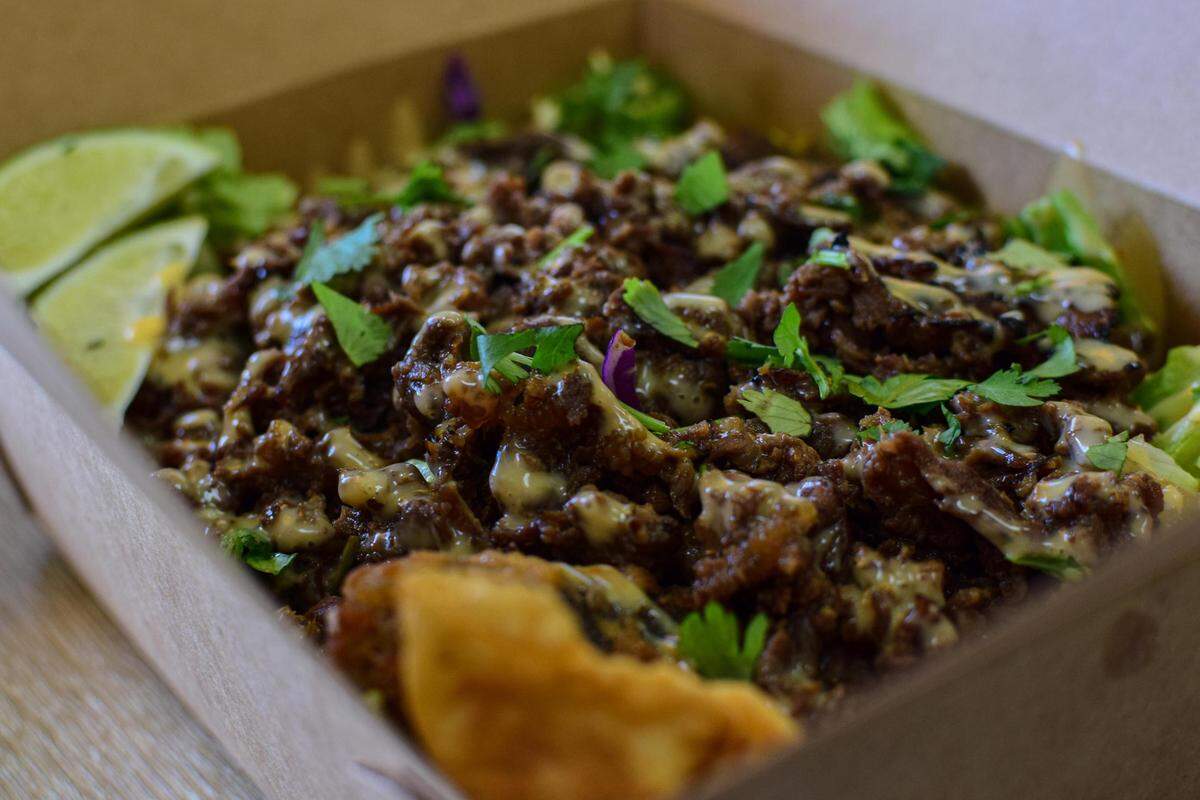
Owner Sandy Jang opened his business March 8 with his sister, who had run a successful food truck in Portland. They saw Tacoma as a golden opportunity and chose a former teriyaki restaurant in a neighborhood sorely lacking in local dining options. Their menu offers reasonably priced dishes that travel well: stir-fried yakisoba, bento boxes, burritos with beef bulgogi.
They never anticipated that the city could exert such control over their business model.
Tacoma’s delivery rule is neither written into city code nor in any of the city’s fats, oil and grease policy documents. Commissary kitchens have been hamstrung by the same restriction, even if the kitchen is home to a single business that sells food off site, such as a food truck or farmers market vendor.
“It’s unusual to have that be part of the decision tree for what size a grease interceptor should be,” said Eric Thompson, a regulatory compliance manager at Schier Products, a Kansas-based manufacturer.
He and his team work with thousands of municipalities across the country on FOG prevention, and they could not think of another jurisdiction that prohibited food delivery in that way. Some, including Tacoma, have a similar rule for drive-thrus, which can increase the pace of food sales and thus FOG, he said.
Generally speaking, they recommend avoiding minimum requirements, which cast too-wide a net and minimize the nuances of different restaurants. By this logic, he continued, every restaurant that meets the minimum could have a drive-thru, or offer third-party delivery.
DO A FEW DOORDASH ORDERS EQUAL ‘HIGH-VOLUME’?
Tacoma holds that restaurants on DoorDash or similar platforms are not beholden to “onsite seating” and therefore considers them to be “high-volume,” city spokesperson Maria Lee said in an email. She confirmed that the interpretation was adopted around the onset of the pandemic “as popularity for [delivery] services took off.”
The apps are not a new phenomenon. UberEats and DoorDash have been around for a decade, and Grubhub for two. Sales and survey data also show that COVID’s impact on their embrace was more like an energy drink than a fitness regimen: a quick boost rather than a long-term benefit.
Prior to 2020, delivery was the least popular order method at quick-service restaurants, trailing the equal split of drive-thru, carryout and dining in. A burst of delivery fizzled by mid-2021, and the ratio was back to normal by early 2022.
At full-service restaurants, delivery accounted for just 6% of sales pre-pandemic, according to a U.S. Department of Agriculture report published in January 2024, and consumers continued to choose on-site dining over all other options “throughout the pandemic and into 2022.” Delivery climbed above 10% of sales for the first time, but total revenue still sagged below 2019 levels.
In other words: The pandemic shifted where and how consumers spent their food dollars, but it didn’t lead to a boon for restaurants. Delivery today is a slightly bigger slice of a pie that’s only gotten smaller.
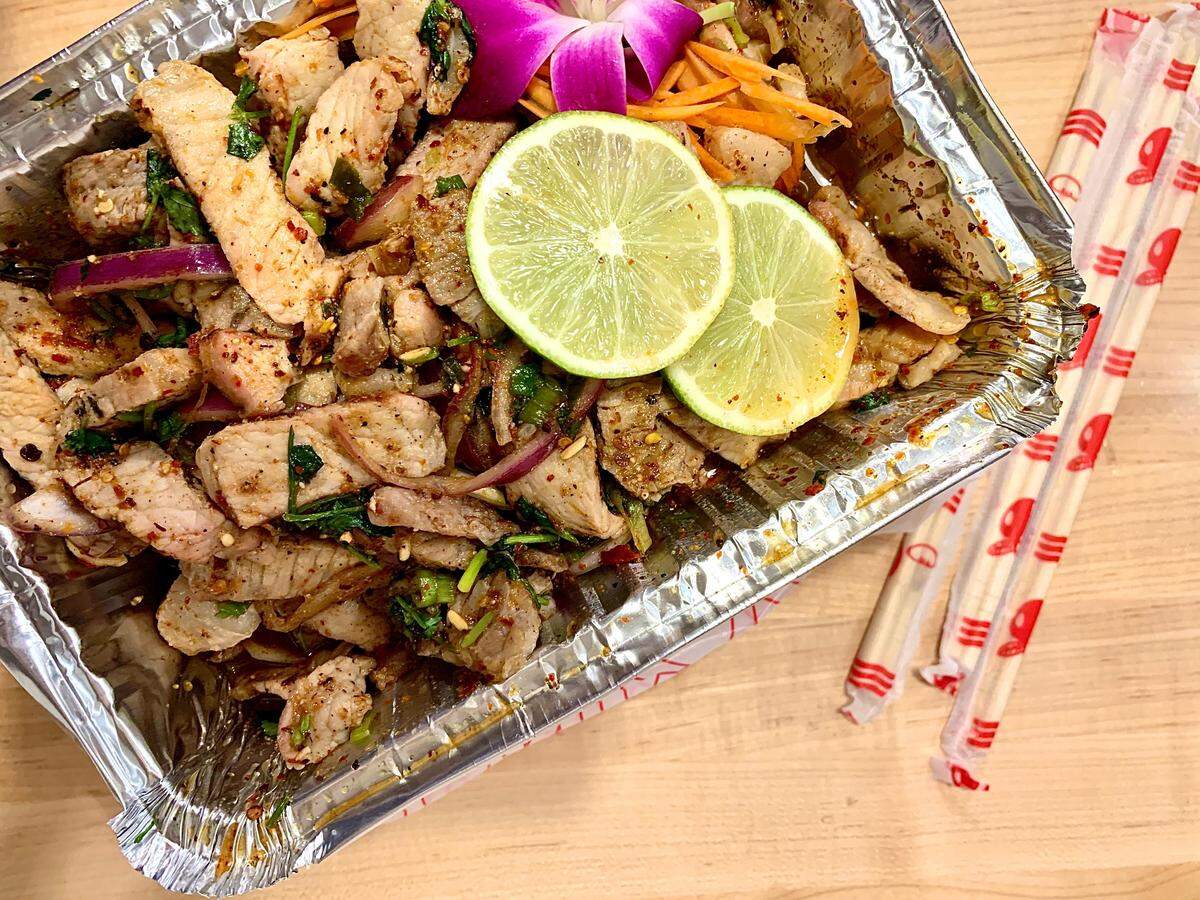
For many independent restaurants, services like DoorDash, the U.S. leader with 32 million active monthly users, are free advertising — a way to get in front of customers they might not otherwise reach, with the goal of eventually converting them into a regular. Some use the apps to cover daily lulls or seasonal downturns, but for others, delivery keeps the business afloat.
Meanwhile, plenty of restaurants eschew delivery entirely because the third-party companies typically take up to 30% of the sale, which can nullify a restaurant’s profit margin, or because a cardboard box just doesn’t work for their food or their brand.
RESTAURANTS ALREADY HAVE CONTROL
Lee said the city asked some tech companies if they “would entertain working with the local jurisdictions to set limits” for restaurants to meet the city’s per-hour meal allotment. Per current rules, any restaurant that might sell more than 40 meals in an hour is technically required to have a minimum 1,000-gallon, in-ground tank.
“Unfortunately, DoorDash declined to partner with the City of Tacoma on this idea,” she wrote in an email.
DoorDash told The News Tribune in a statement that its “mission is to empower local merchants, and our policies in Tacoma and around the country are consistent with that mission.” The spokesperson confirmed that the company does not have Tacoma-specific policies, but added that it is “happy to work with our merchant partners and local lawmakers to find policy solutions that allow more small businesses in Tacoma to succeed.”
Shawn Madison, the city’s only dedicated FOG employee, has explained the rule in emails to restaurant owners, reviewed by The News Tribune: “Now that there are 100s of professional [delivery drivers] driving the streets waiting for orders, it’s no longer limited” to the number of seats in the dining room. He has also advised that they could circumvent the rules by hiring their own driver, something that increasingly few restaurants do.
The city did not make Madison available for an interview for this article. Lee responded to The News Tribune’s questions for the Environmental Services team by email.
At Manuscript and Dialogue, a brunch and dinner destination in Tacoma’s Stadium District, owner Eda Johnson emphasized that not only can she easily control the order rate on delivery platforms, it’s also necessary to maintain the integrity of the restaurant.
She can, for example, set the system to only accept three orders in a 15-minute window. A fourth order would be pushed to the next slot, and the customer’s wait-time would adjust accordingly.
“I have the power to change those settings as I see fit,” she said, “but I will always want to prioritize quality and ensure that the people dining in-person are also still getting the best experience.”
Dave Flatman, co-owner of Busy Body on Sixth Avenue, also ran into the delivery roadblock when the bar applied for a catering license with the Tacoma-Pierce County Health Department. What Busy Body really wanted was to fulfill private-party orders, but the city’s definition of catering, as with delivery, is black-and-white: “catering” equals “high-volume.”
Madison told him he could “get around the catering rules” by offering “large orders in disposable pans for takeout,” according to emails reviewed by The News Tribune.
GREASE TRAPS ARE NECESSARY, BUT FOLLOW-THROUGH IS LACKING
In August, The News Tribune reported that small restaurants in Tacoma felt they were being unfairly targeted by the city’s grease-trap requirements.
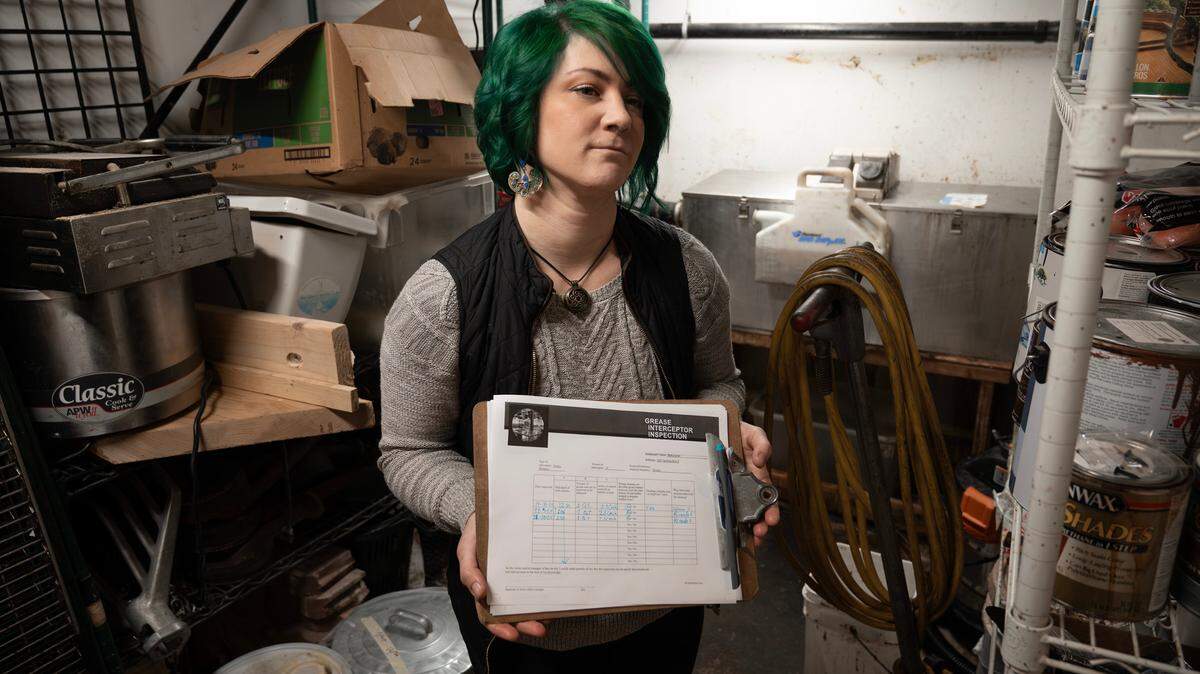
In defense of its policy, environmental staff has insisted that businesses neglect cleanings. An analysis by The News Tribune this fall revealed that Tacoma inspects grease interceptors only as required by the Environmental Protection Agency and hardly ever issues violations. Some restaurant owners have agreed to particular cleaning regimens as a kind of probationary period but say the city rarely follows up.
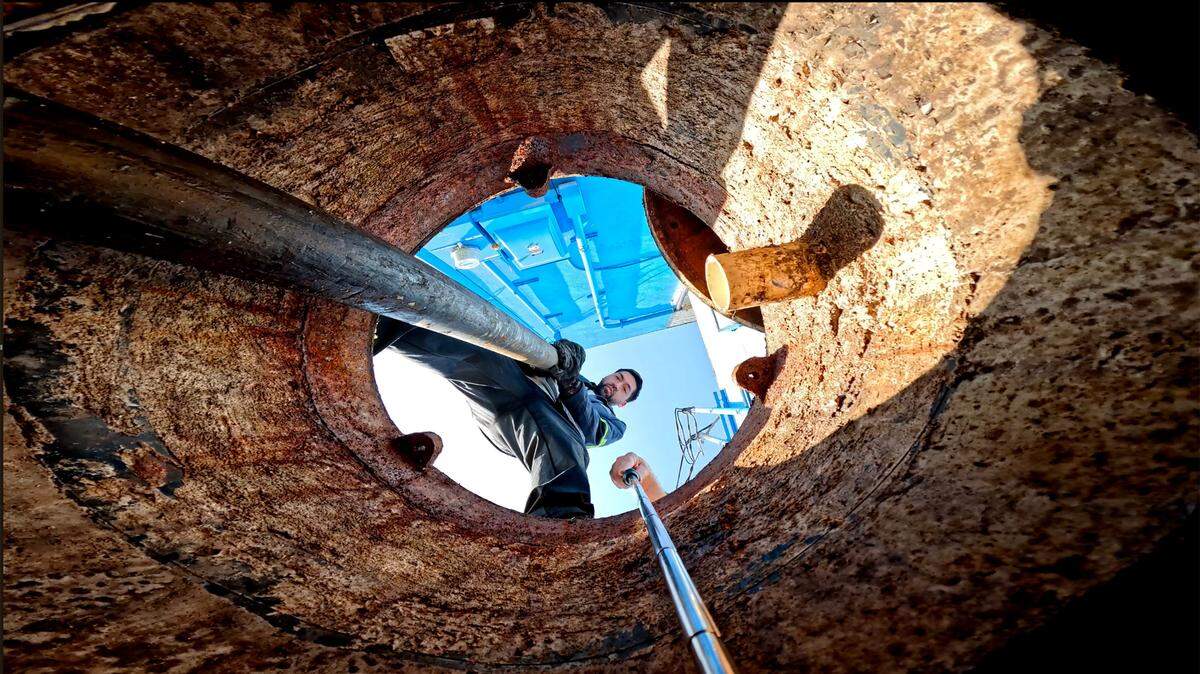
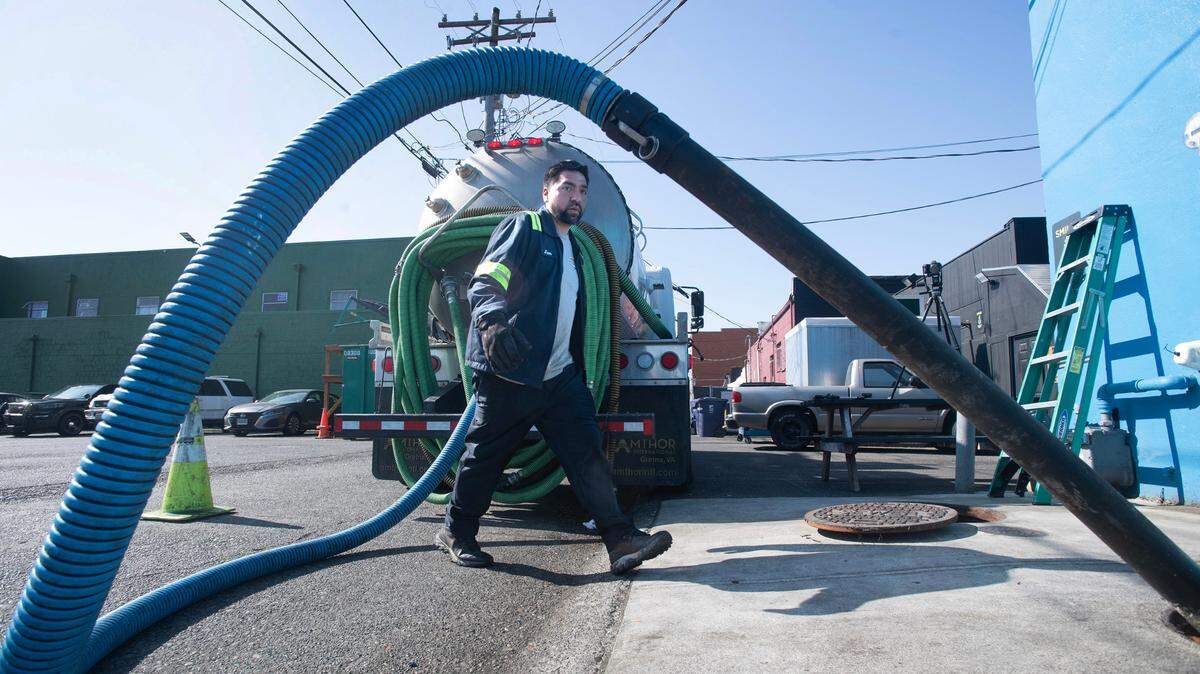
Grease interceptors are necessary to prevent FOG from clogging the public sewer system, but there are multiple ways to achieve that goal. Hydromechanical machines can be more easily installed under sinks, or even below-grade in a kitchen, and they usually cost just a few thousand dollars. If a kitchen needs more than one, that’s a feasible solution, according to several engineers.
The city has argued that the larger, in-ground tanks, which are usually made of concrete and necessitate additional permits and excavation work, are more reliable and don’t need to be cleaned as frequently as their smaller counterparts. Experts say that a properly sized grease interceptor depends on several factors that vary from restaurant to restaurant. The calculation should consider seating capacity, kitchen setup, hours of operation and the food itself. Good housekeeping, including training staff to limit sending FOG down the drain in the first place, is also essential.
The longer FOG sits in an interceptor, the harder the solids layer, which falls to the bottom, becomes. The chemical compounds can also produce hydrogen sulfide, a toxic gas sometimes nicknamed “sewer gas,” as outlined in the Environmental Protection Agency’s National Pretreatment Program.
The cost to pump one every six months might reach $1,500, according to a report from Monitoring and Management Services, a Tennessee-based company that provides FOG-data collection services to local governments and utilities. A quarterly pump, on the other hand, might run $250 to $350.
A PRESSING ISSUE FOR TACOMA’S SMALL RESTAURANTS
In July, Jang emailed his District 5 councilman, Joe Bushnell, pleading for help. Bushnell responded promptly the next morning and said he would forward the email to his team and “they should be reaching back out to you soon.”
In September, Jang told The News Tribune that he had not heard from anyone in Bushnell’s office or otherwise from the city. He said he was considering trying to sell his business.
Bushnell responded to Jang’s July email on Oct. 24 after a reporter’s request for an interview, which the councilman declined after sharing the request with Lee.
In his email, which Lee forwarded to The News Tribune, Bushnell cited his experience at the Washington Hospitality Association, where he served as a local government liaison for almost five years, and his current role as vice chair for the Tacoma-Pierce County Board of Health.
“Restaurants like yours make our neighborhood a better place to live, and as a city we are continuously seeking ways to support our business community so everyone in Tacoma can have a higher quality of life,” he wrote.
He said he had discussed “a variety of grease trap issues,” including the delivery question, with his peers and Environmental Services staff. He repeated an idea that Madison and others have stressed in previous conversations with The News Tribune: If only the city could stop “aspiring restaurant owners” from signing a lease or purchasing a property before consulting with city staff, such problems could be avoided.
“We want every restaurant owner to have all the facts before they select a location so they can make financial decisions on the front end and build all required infrastructure into their business plan. Your story is an example of how changes to your business plan can trigger new requirements, and having information up front would have helped you examine all the options for your business,” wrote Bushnell. “I will continue to keep your story front of mind when we explore policy options related to grease interceptor education.”
He also pointed to city loan programs, staff’s willingness to offer “technical assistance” and the option to apply for a variance for “physical or space constraints.” He alluded to ongoing talks with city staff about possible “flexibility” for businesses but made no mention of meaningful changes to the delivery rule.

Lee told The News Tribune that Rolls House is “welcome to apply for an exception with a business plan” that shows how it will limit delivery orders and its grease-trap cleaning schedule. She also said the city recognized that “the cost and logistical challenges of installing a gravity grease interceptor can be significant,” but “the policy aims to balance environmental protection with economic development.”
“The challenges faced by some small business owners suggests a need for ongoing dialogue between the city and the business community to explore potential solutions that support both objectives,” she said.
At the beginning of 2024, Environmental Services also moved the FOG program from its compliance team to “program coordination.”
“With that, discussions were had regarding potential changes to the FOG program,” added Lee.
Jang said an exception has not been offered to him as a solution. After a challenging year, he feels it’s too little, too late.
For the industry writ-large, delivery’s long-term appeal remains murky. Many restaurants have a love-hate relationship with the apps, and attempts to thwart their power — such as Seattle’s minimum $5 fee to buoy gig workers’ pay — have discouraged both customers and business owners.
At the end of the day, entrepreneurs like Jang say they want to make that decision for themselves.
This story was originally published November 25, 2024 at 5:00 AM.