‘Rigging the system.’ Is Tacoma’s grease-trap policy killing its small-restaurant scene?
READ MORE
Grease trap rules vex Tacoma restaurant owners
Tacoma’s strict, expensive approach to a little-known environmental issue has led many in the local restaurant industry to wonder who the city really supports.
Expand All
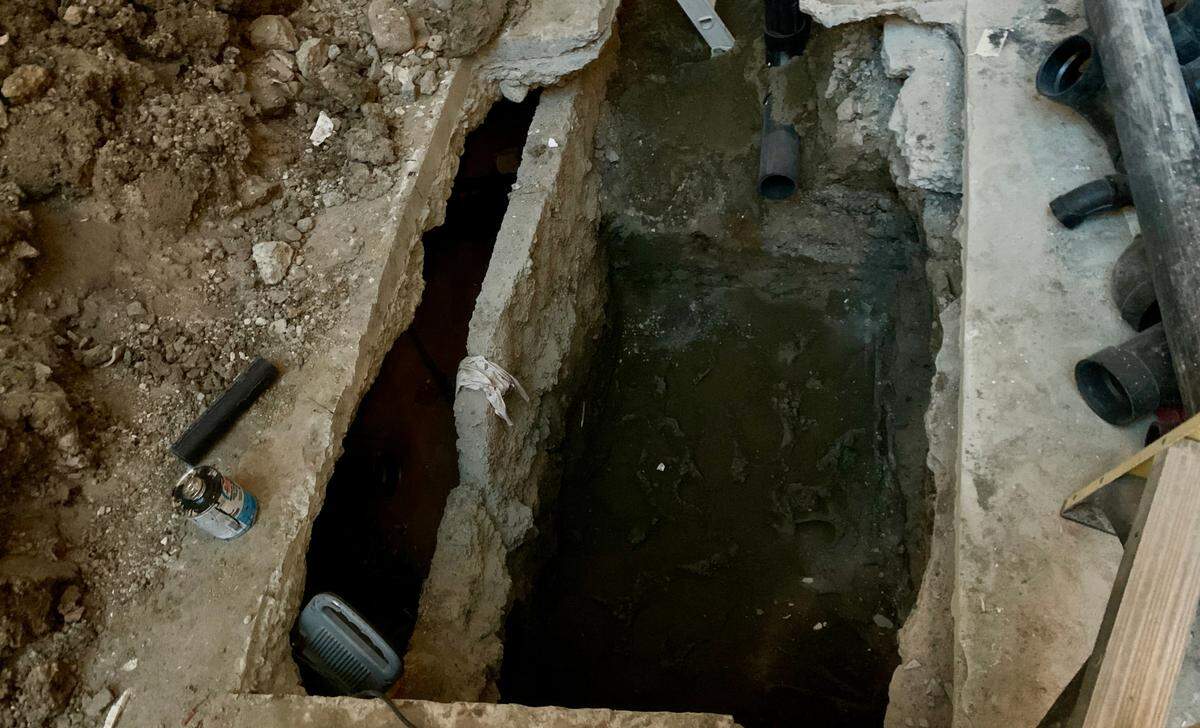
Suppose the city where you live could show up at your house, demand that you dig a giant hole in your driveway or maybe the front lawn, plonk down a concrete box and reroute the pipes from your kitchen and the sewer main to this new contraption, all on your dime?
It would cost you at least $50,000 and maybe more than $100,000. If you refuse, you would risk a daily fine of up to $10,000.
Suppose there was a more cost-effective choice, one that would still satisfy the end goal, but the city wouldn’t let you use it?
Tacoma’s small food businesses are facing such a predicament in a policy fight that has pitted the city’s environmental goals against the viability of the local restaurant industry.
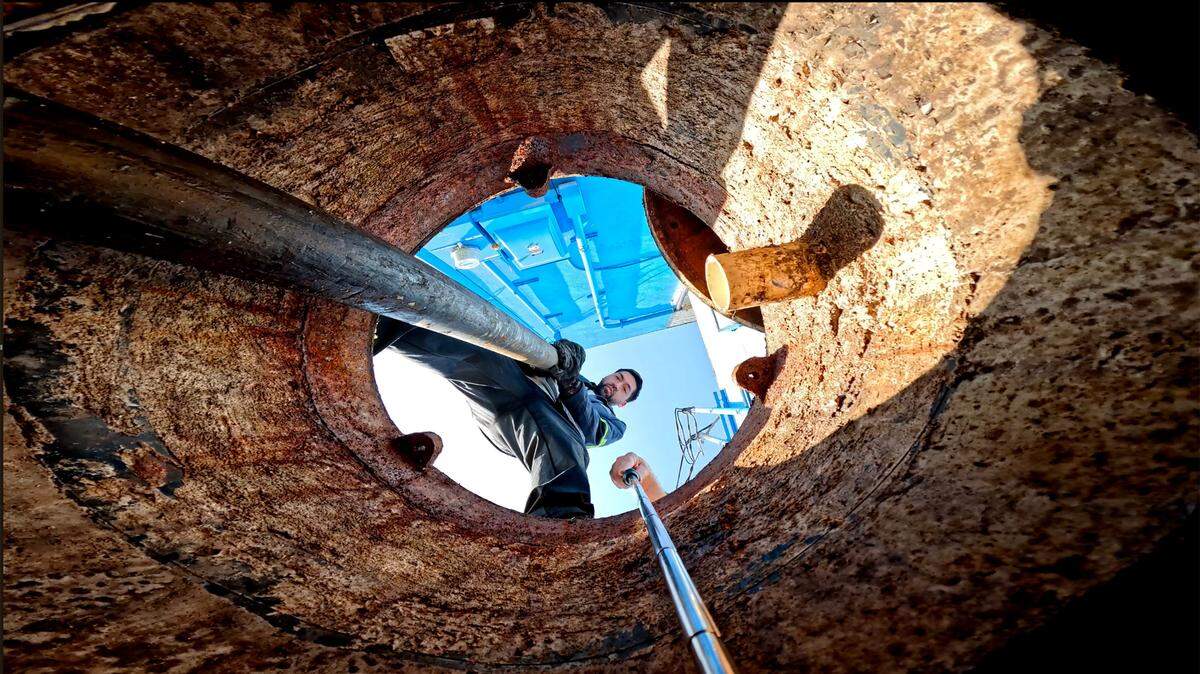
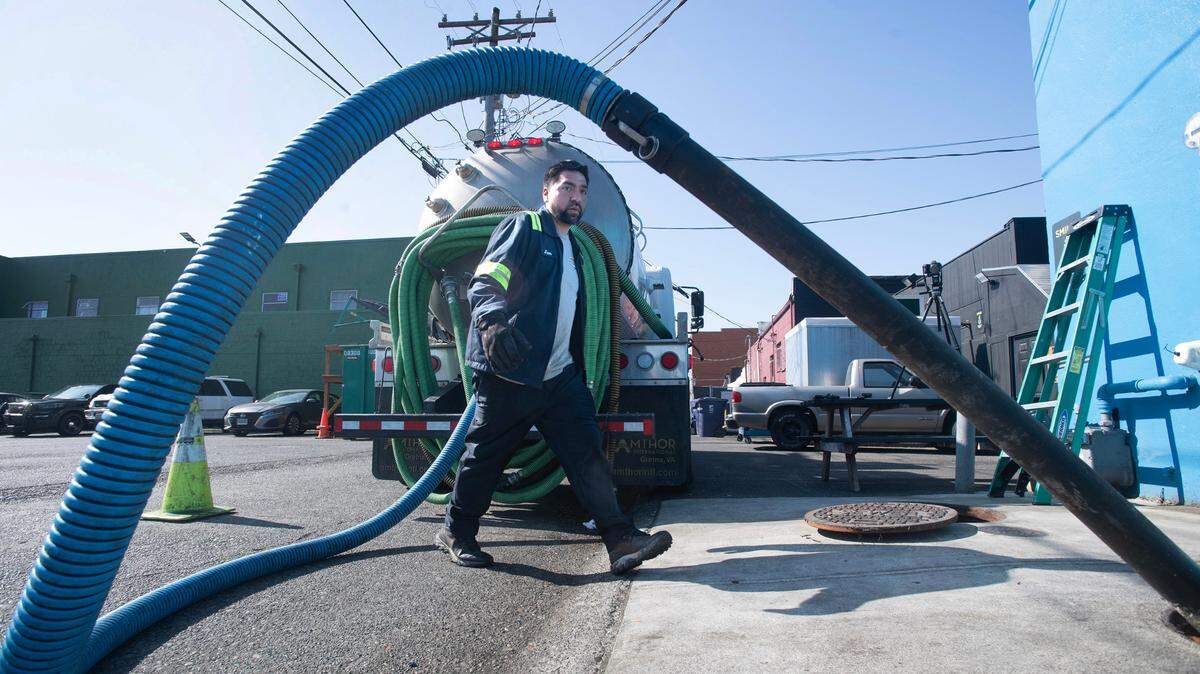
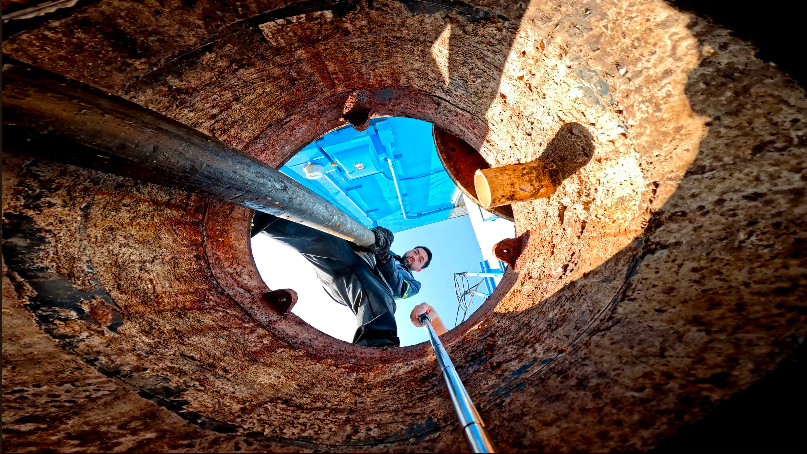
The issue: fats, oil and grease (known as FOG) tumbling down drains, which, left untamed, can cause sewers to clog and backflow into businesses, homes or the street. The contraption: a gravity grease interceptor, as big as a Volkswagen Beetle, which goes in the ground and costs a hefty sum. The alternative: a hydromechanical grease interceptor, about the size of a large cooler or storage trunk, which can be tucked into various locations and does not cost more than a luxury vehicle — more like a used Honda Civic with 75,000 miles on the odometer.
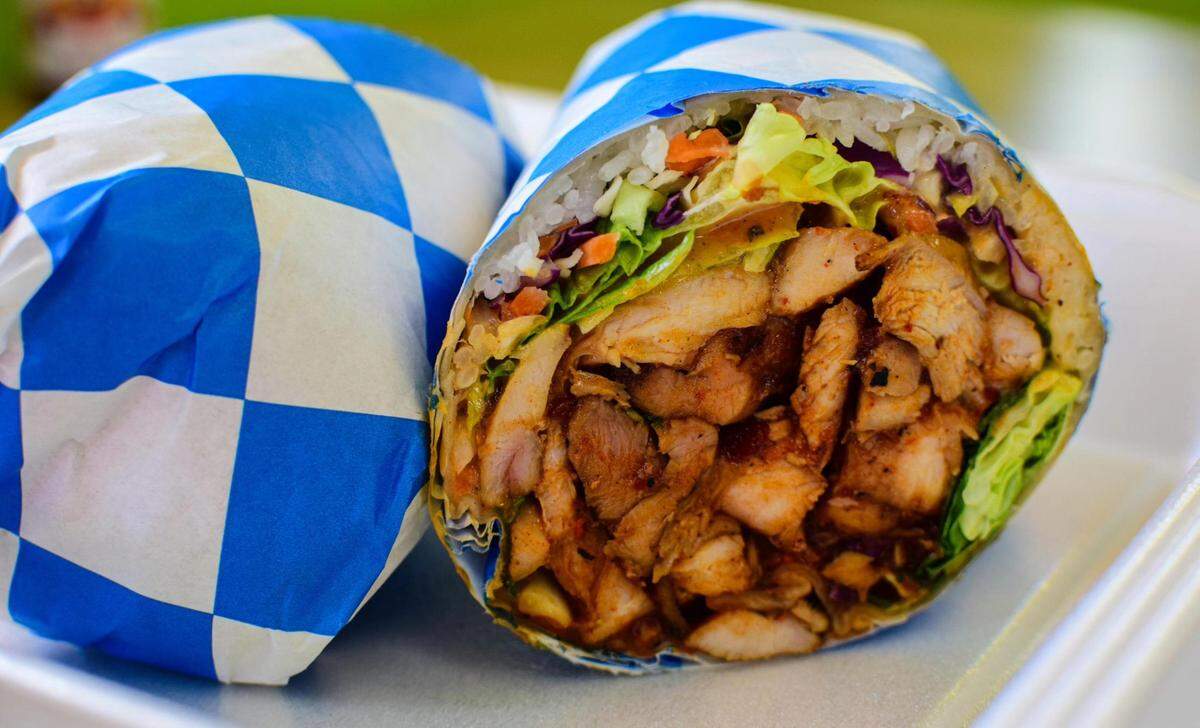
Sandy Jang has encountered the expensive hurdle firsthand at his new restaurant in the South End, a neighborhood with limited foot traffic. The menu at Rolls House centers on Korean wraps and yakisoba, foods basically built for takeout and delivery, but the city won’t let him use services like DoorDash unless he tears a Beetle-sized hole in the parking lot to install, at minimum, a 1,000-gallon, under-the-pavement tank.
The $120,000 quote Jang received from a local contractor is far outside his budget. His landlord offered to split the cost, but even then he would lose a month’s worth of revenue to accommodate construction.
He averages under $1,000 in daily sales, a number that barely sustains payroll, let alone other expenses. He has yet to pay himself or his sister, who moved to Tacoma from Portland, where the family ran a successful food truck in one of Rose City’s popular “food pods.”
“Without delivery service, our sales per day is not good,” he said in July, just four months into operation. “That way I cannot survive.”
Had he known about the issue, he would not have signed a lease for the building Rolls House is in or probably any in Tacoma that was not already equipped with the infrastructure.
The city estimates that 1 in 5 existing restaurants has a gravity grease interceptor. It’s a ratio that Tacoma’s Environmental Services department seems intent on changing, no matter the cost to the small businesses being asked to foot the bill.

Shawn Madison, who oversees the city’s FOG program, insists the policy is middle-of-the-road and “certainly not the most strict.”
The city granted The News Tribune two 30-minute interviews with environmental staff for this story, with a spokesperson in the room. Madison attended one of them. City spokesperson Maria Lee answered follow-ups in writing.
“We all want restaurants in Tacoma, but we also have a commitment to our community to protect their health, and to the state Department of Ecology,” said Kurt Fremont, a business compliance manager, in a June conversation. “We’re kind of caught in the middle … but the image is that we’re being punitive.”
An expensive, often impassable hurdle
Jang is not alone in hitting the pricey — and for many small business owners insurmountable — roadblock that many view as hindering the growth and development of the local restaurant scene.
The city’s FOG jurisdiction extends to Ruston, Fircest and Fife, through interlocal agreements approved by Tacoma City Council. Within that area are approximately 1,200 active food-service establishments, a number that includes grocery or convenience stores, catering kitchens and coffee shops. Last year, 142 food businesses applied for a Tacoma license.
Young hospitality professionals have turned toward midsize cities like Tacoma, where real estate is generally more affordable and the market is far from saturated. A few years ago, Dave Flatman made the move south from Seattle, where he still owns a bar, to buy a house with his spouse and raise their two children. He intended to build a business here, and in 2023 opened the rock ‘n’ roll-themed Busy Body in the Sixth Avenue district. Despite two decades in the industry, he was flustered when he ran into Tacoma’s grease-trap gauntlet.
“Tacoma is kind of a cool, younger city with a lot of people who have a lot of cool ideas,” he said in June. “They wanna do fun things, and just — the high cost of entry into this business and really the complications around it — there are so many steps to take. There’s not really a good road map for it.”
He and his three business partners heard horror stories from peers, so they tried to get ahead of it at 2717 6th Ave., a space that has been a restaurant for decades. It had two grease interceptors in a setup that Flatman admitted was “a little antiquated but was still working.”
He called Madison to inspect the system in person. Madison instructed them to replace the current interceptor with a slightly bigger unit, recalled Flatman, “so that’s what we did — we got the exact model he recommended.”
A few months later, after reviewing cleaning records, Madison told them it was falling short, according to emails reviewed by The News Tribune. To continue operating, they would need to have it professionally cleaned twice a month, which Flatman said costs around $1,600.
No matter that city code allows the smaller machines to be self-cleaned on a regular basis, with quarterly professional cleanings expected to be logged in an online database.
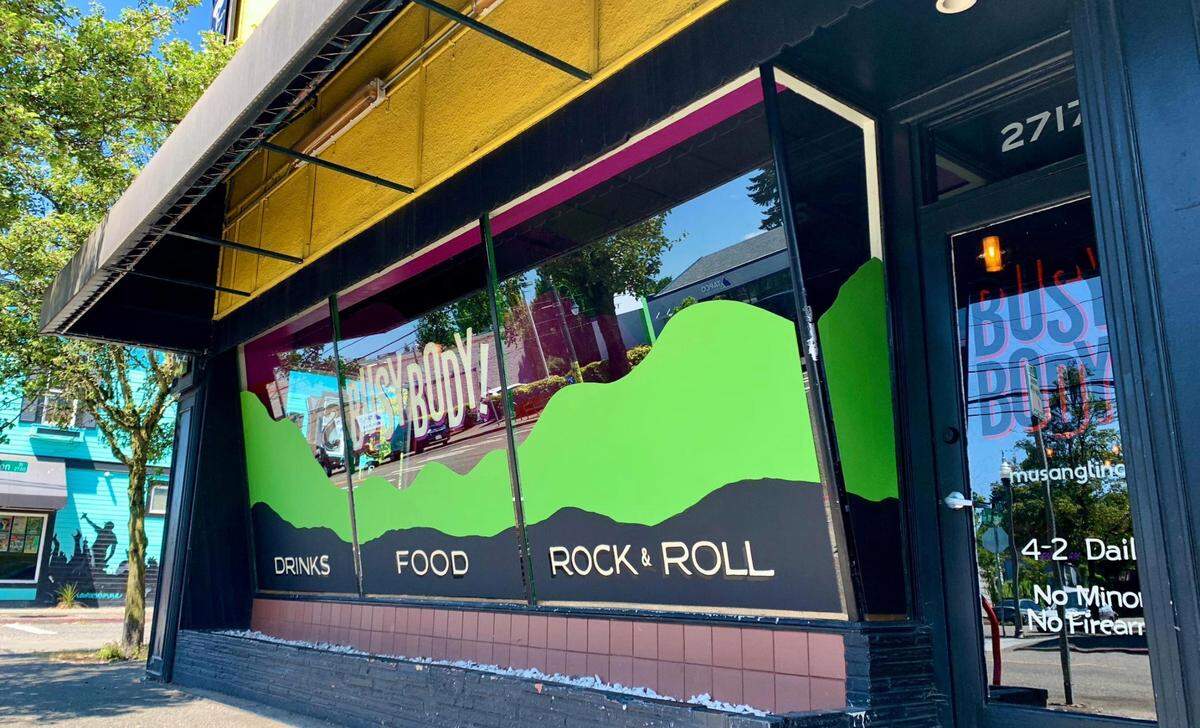
The conundrum began when Busy Body applied for a catering license and a menu review with the Tacoma-Pierce County Health Department. The restaurant wanted to fulfill the occasional party order and add weekend brunch, Flatman said. Madison emailed them again, saying they would need to install the giant, in-ground box to proceed with that plan.
Expense and inconvenience aside, there was nowhere to put it, because theirs is a zero-lot line property, meaning it’s surrounded by public right-of-way.
Those kinds of discrepancies — between laws and policies versus in-practice demands — have frustrated Flatman and dozens of restaurant owners and managers, especially in the last three years. While onboard with the public health and environmental mission, they see the city’s grease-trap policy as inflexible, disappointingly obtuse and exclusionary: rules fashioned and enforced in ways that artificially inflate the cost of entry, in turn benefiting well-funded, corporate-backed entities over local entrepreneurs.
The city’s answers to specific questions are scarce. When received, they conflict from one day to the next, one restaurant to another, owners say. Different city employees offer different interpretations of the same code and department policy. No one, the industry professionals say, seems to understand how modern restaurants function.
Few would speak on the record, fearful of the repercussions to their existing or future business in Tacoma.
Conversations with them and those who agreed to participate in this story paint a frustrating picture of an evolving midsize city with under-resourced offices where immense power is in the hands of one overworked employee.
Madison works with around 600 sites a year, the city confirmed.
“There are definitely city guidelines behind it, but there’s not a whole lot of specific city code on it, so everything seems to be kind of on a case-by-case basis,” said Flatman. “It stifles creativity, it stifles small business, and it doesn’t support the community at all. The only people this is helping are, like, larger corporate chains.”
Eric Thompson of Schier Products, a Kansas-based manufacturer of both gravity and hydromechanical grease interceptors, collaborates with thousands of municipalities in his role as a regulatory compliance manager. Tacoma is not on an island, he said in an early summer phone call, but the land mass is shrinking.
“When a grease interceptor is a stumbling block to opening a restaurant, that’s a red flag,” he said. “That’s something the business community should know, and council members should know: ‘It costs too much money to do business here.’”
Grease traps are relatively new requirement
These days, restaurants in Tacoma and other municipalities across the United States and around the world are required to have grease traps, which were first patented in the late 19th century.
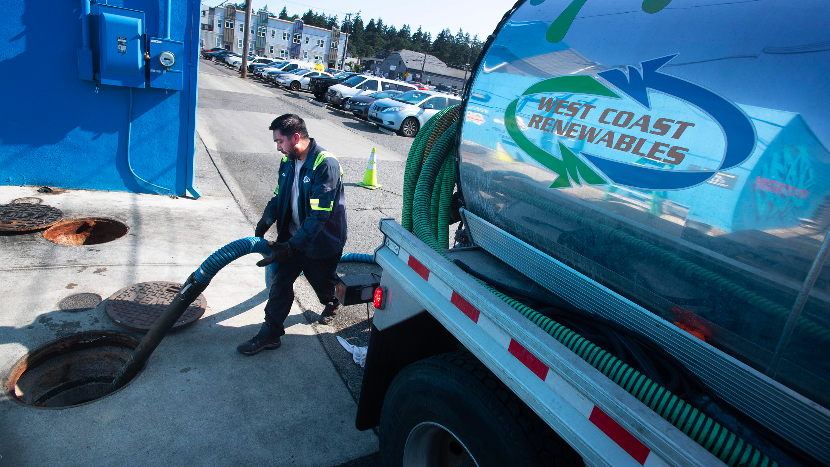
The machines do basically what it sounds like: trap, or intercept, FOG after it goes down the drain but before it hits the sewer main.
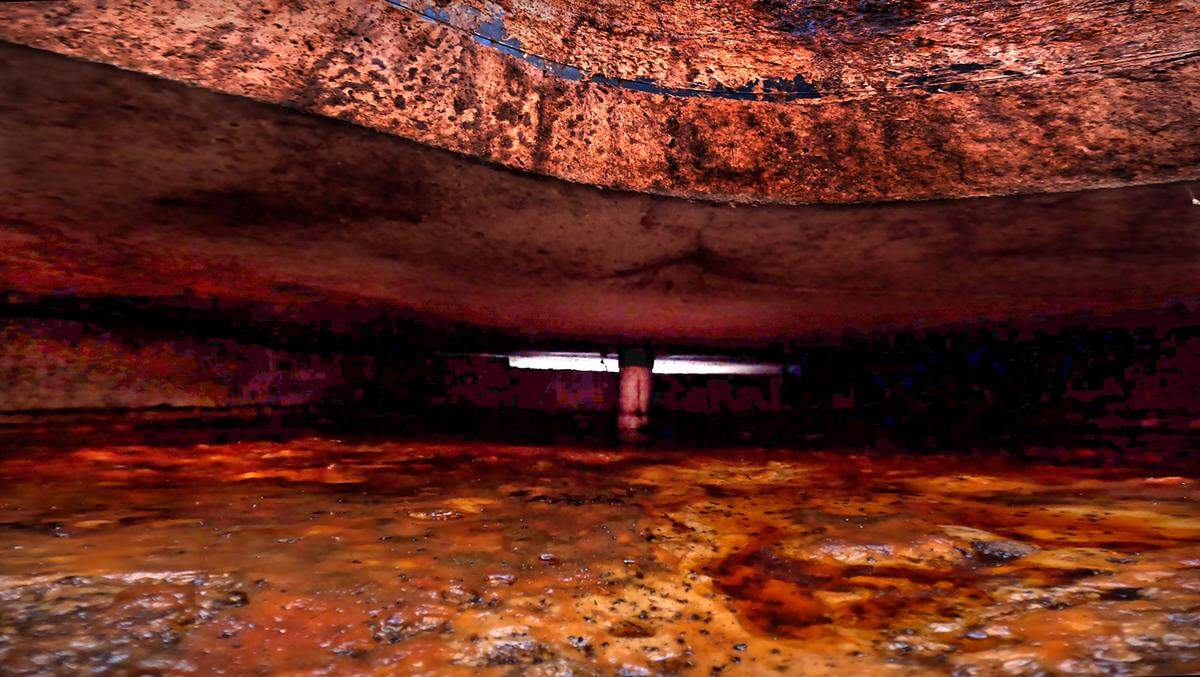
This captured sludge is known as “brown grease,” which differs from deep-fryer “yellow grease,” typically dumped into a standalone bin that’s picked up by grease-collection companies. The latter can be recycled into lubricants, animal feed, biofuels and even clothing. Brown grease has less of an afterlife, usually ending up in landfills or incinerated, although new research aims to find ways to also turn it into fuel.
Awareness of FOG’s potential to inflict pain on aging infrastructure has escalated in the past 30 years. In the early 2010s, United Kingdom sewer systems were snarled by headline-grabbing fatbergs, the British term for hardened globs of greasy residue and other coagulated materials that don’t biodegrade.
Joel Ducoste is an engineering professor at North Carolina State University and a leading expert in the field. When FOG breaks down, he explained, it goes through a process not unlike saponification, as in forming household soaps.
“These solids are much harder and attach themselves to the wall of the sewer line,” he said. “As they accumulate, they then restrict water flow. They can occupy a good percentage of the pipe cross section.”
The EPA estimates that sewer blockages occur anywhere from 23,000 to 75,000 times a year in the United States, according to a 2015 report to Congress. FOG is the leading culprit at 47%, but it’s not clear how many of those clogs could be blamed on poorly outfitted restaurants. The number also encompasses industrial sources, some of which are required to have grease protection, and residences, which are almost always unprotected.
In Tacoma, any business with on-site food service, such as assisted living facilities, school cafeterias, hospitals and prisons, is required to have grease protection. Multifamily housing, even a new high-rise, is not.
Educational campaigns have implored the public to avoid dumping common cooking byproducts like bacon grease and salad dressing down the kitchen sink. They — and signs in public restrooms — also remind us to stop flushing non-septic-safe stuff like baby wipes, tampons or tissues.
At restaurants, staff should be trained in “best management practices”: tossing food waste into the trash or compost and wiping down pots and plates with paper towels before washing them.
“People kind of get it, but I don’t know that they really get it,” said Fremont, the city’s environmental compliance manager.
Are there bad actors? Of course, but none of the dozens of restaurant professionals The News Tribune spoke with over many months want to cause sewer backups — not into the street, not into their neighbor’s place and assuredly not into their own business. They also don’t have a spare $50,000, let alone $100,000.
The city has a loan program of about $1 million annually to support small businesses, and in 2022 and 2023 offered some funding for infrastructure improvements like grease interceptors. There are currently 11 active non-COVID loan borrowers, city spokesperson Lee confirmed, nine of which are restaurants. Three of them involved a grease interceptor.
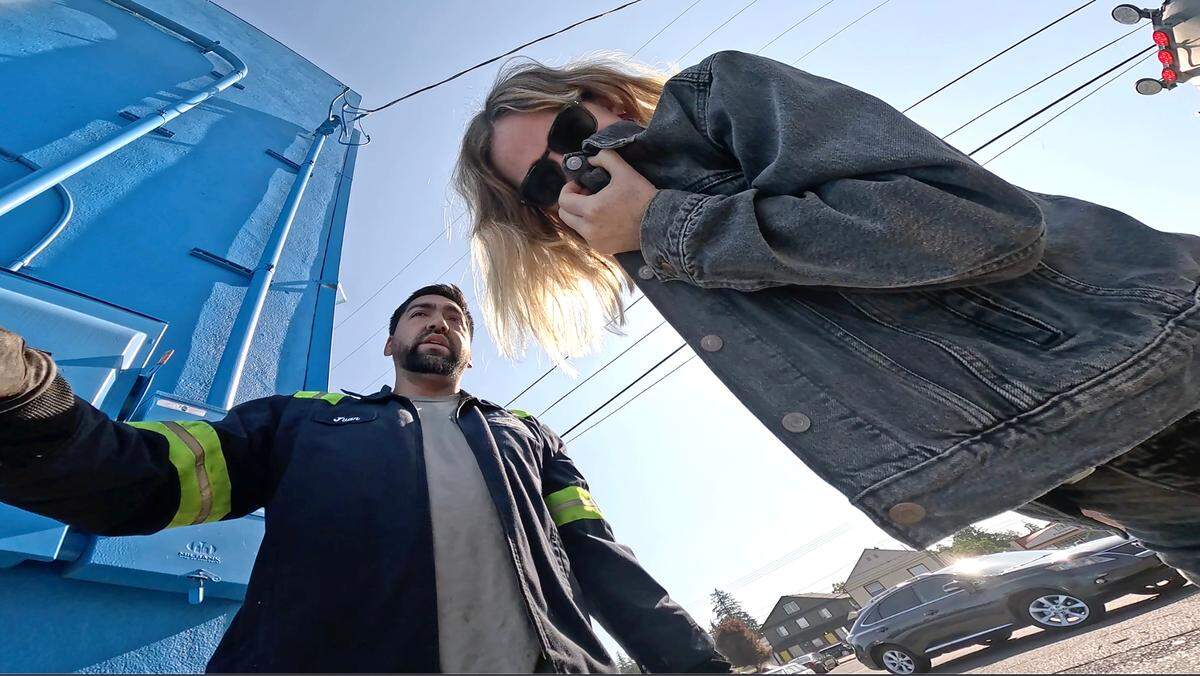
Are restaurants to blame for clogged sewers?
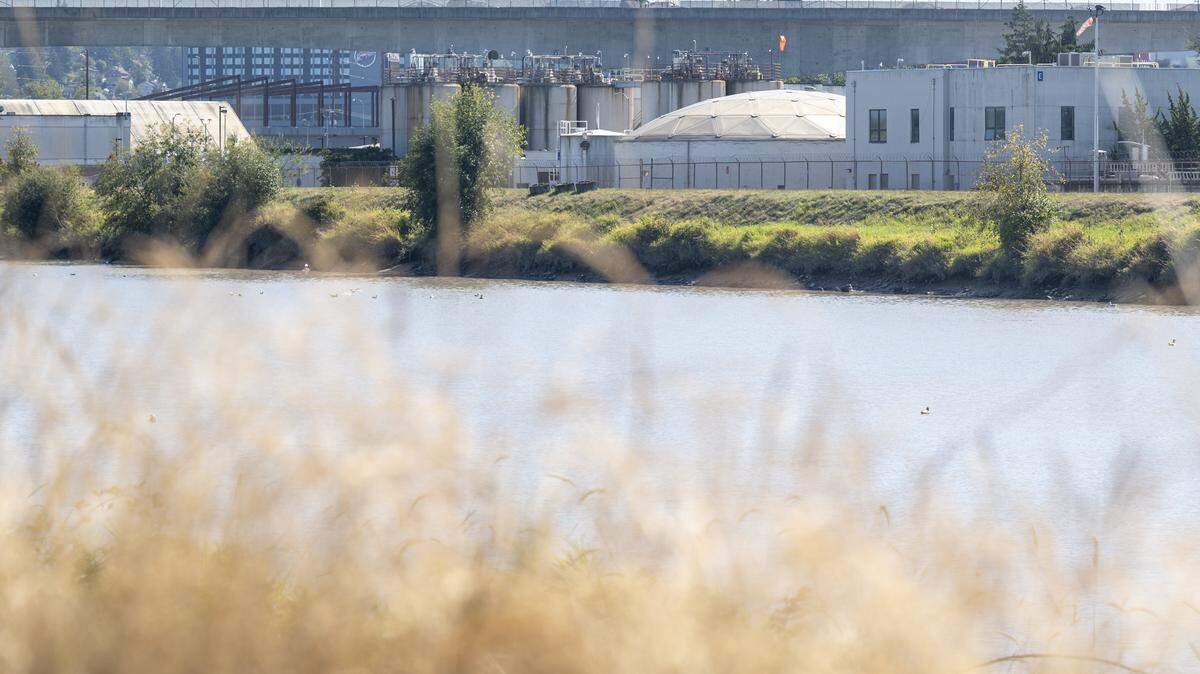
Data provided by the city to the Washington Department of Ecology reveals that food service is likely not the biggest fish to fry when it comes to Tacoma’s sewer problems.
“We don’t have a lot of sanitary sewer overflows,” said Fremont, who likened grease interceptors to “an invisible healthcare service.”
In 2023, Tacoma reported 13 overflows to Ecology, as required by state law. Five were caused by grease, with three referencing nearby restaurants and two noting residential education. The bulk was caused by debris, such as cloth or other material that doesn’t break down. Tree roots, collapsed pipes, construction, vandalism and heavy rain also contribute to blockages.
In the five years prior, dating back to 2018, the city reported 85 blockages, attributing 11 to grease. Two of those mentioned food service as the potential culprit.
Asked about the residential challenge, Lee said in an email that the city “identifies areas of concern and distributes informational materials” like mailers and door hangers. Tacoma Public Utilities also features “informational flyers” with its utility bills, while the city has “collaborated” with big buildings such as schools and hospitals “to prevent the disposal of non-flushable items into the sewer system.”
When a sewer backs up and flows into a business, a home or the street, noted Ducoste, it’s harmful in more than just dollars and cents.
“It’s not just the monetary cost — it’s the cost to the environment. The cost of a sanitary sewer overflow is a big deal and it affects everyone.”
Worst-case scenario, one-size-fits-all
Every restaurant is different, yet Tacoma appears to have embraced a one-size-fits-all approach using a worst-case scenario calculation to a potential problem — FOG-clogged sewers and hazardous overflows — that experts say can be prevented in various ways.
Internal policy decisions have all but disavowed the cheaper and less-intrusive alternative grease-trapping machines that municipalities across the country allow, from neighboring Seattle and Portland to Flagstaff, Arizona, and Salt Lake City, Utah.
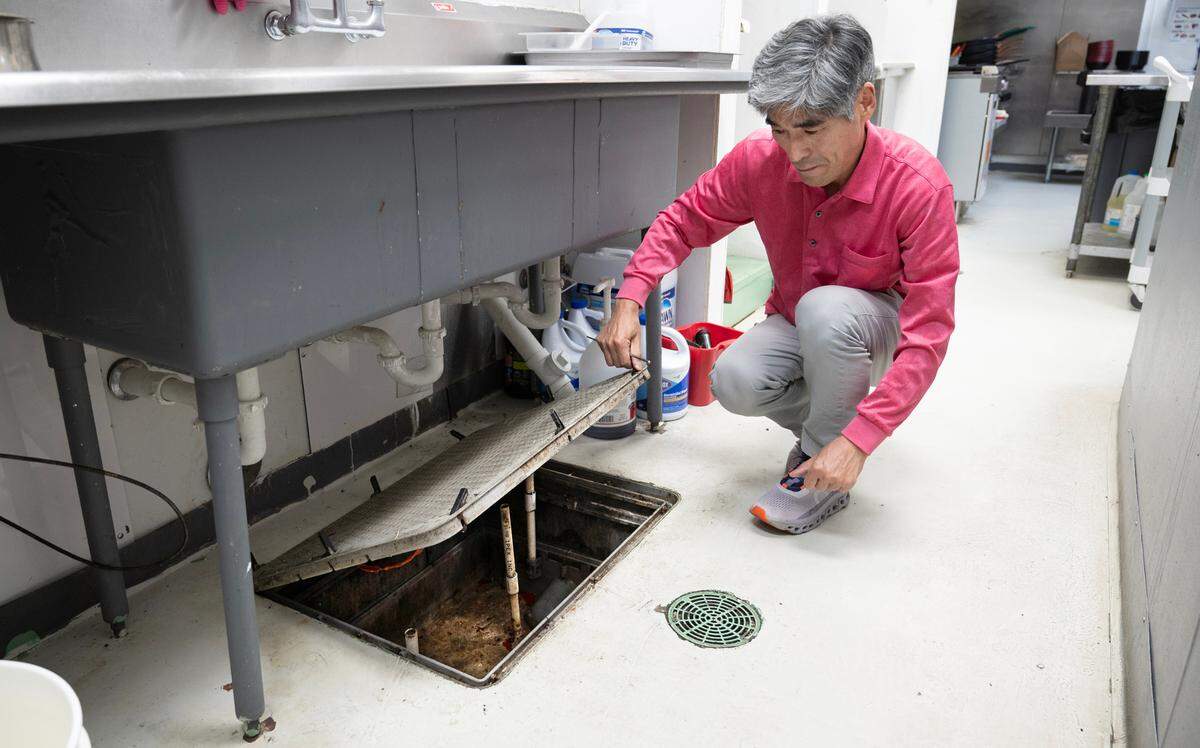
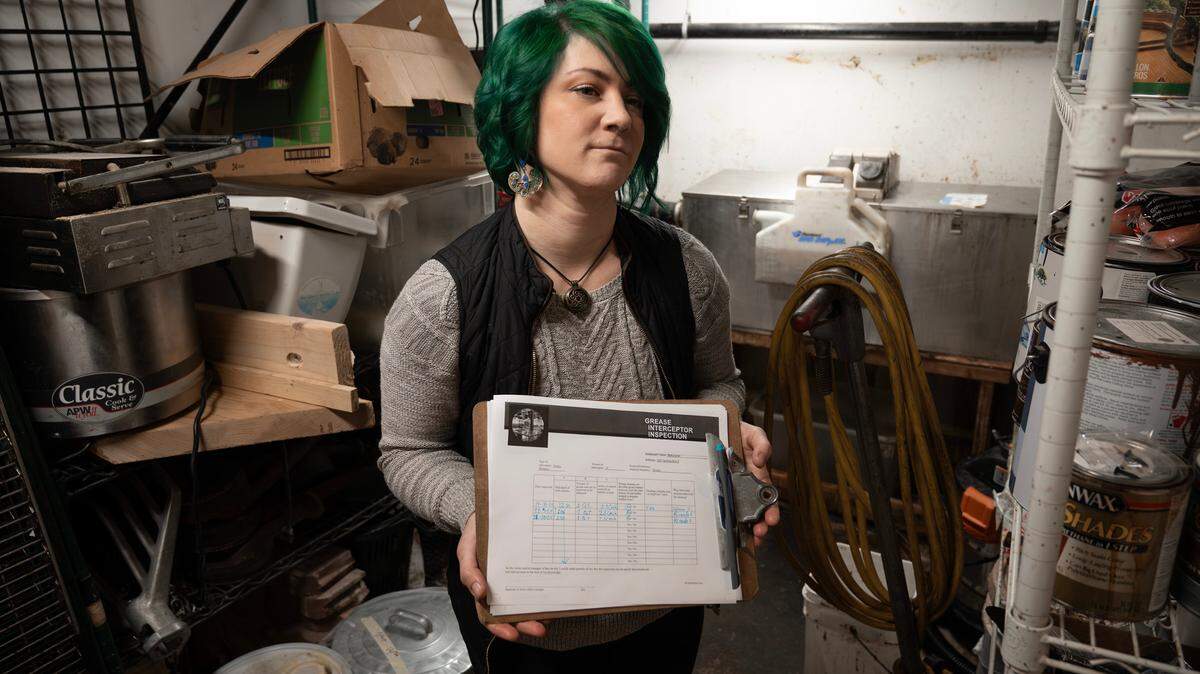
The smaller interceptors could fit under the sinks of restaurant kitchens or be installed relatively easily in the floor indoors or outside. They vary in size, measured by how many gallons can flow through per minute, and cost $5,000 to $10,000 up front, including installation. When properly sized — taking into account the scope of the restaurant, the style of food, the hours of operation — and maintained, meaning regularly pumped and cleaned, they can be nearly as effective as their gravity counterparts, according to several private-sector engineers.
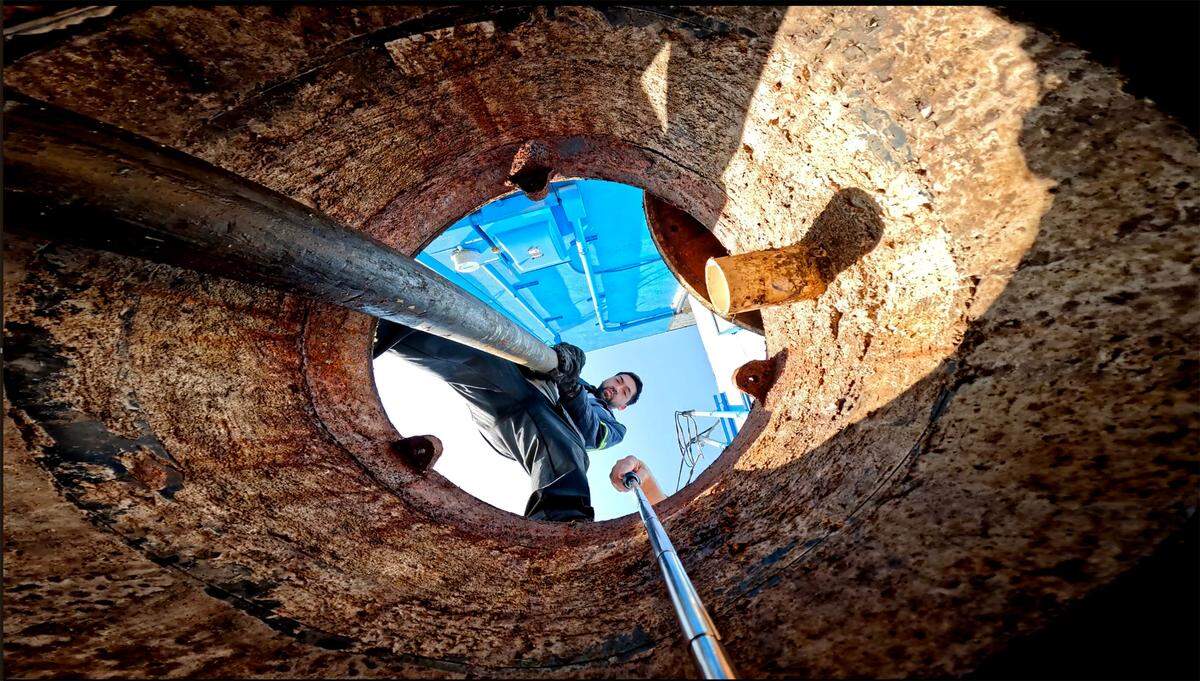
In Hampton Roads, a series of coastal towns that includes Norfolk and Virginia Beach, updated rules have gone so far as to shun the bigger, in-ground systems because their typical material — concrete or steel, once the only option — erodes over time. Usually underground and reachable only through a sewer manhole, cracks go unnoticed. To repair them, a technician must spend hours in the depths of that dark box, which can cost thousands.
Tacoma touts in-ground interceptors as superior to the in-kitchen style that Rolls House, Busy Body and most restaurants (approximately 80%) use, believing they “are more reliable and require less maintenance in the long run,” said Lee.
“The city is responsible for making sure the sewer system works properly, and it does not want to risk problems caused by failing interceptors,” she said.
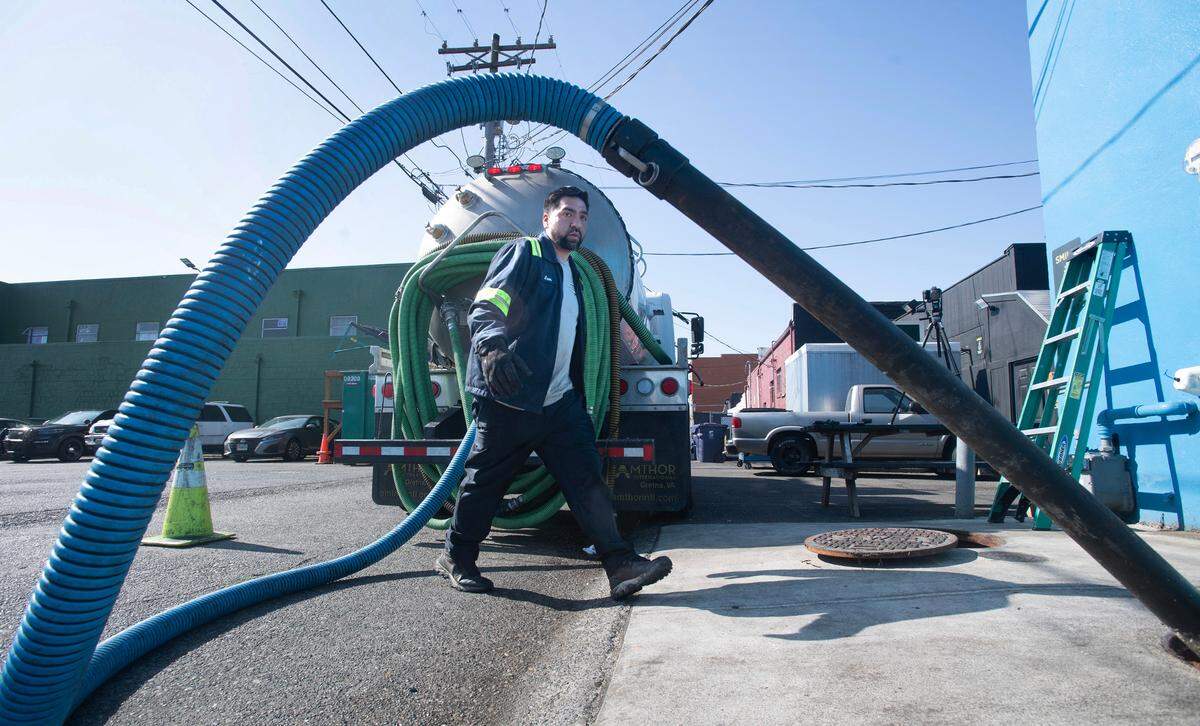
Without seeing the specifics, Ducoste, the FOG researcher, said that Tacoma appeared to be focusing on the worst-case scenario in an effort to prevent sewer overflows. Bigger is not necessarily better, he added, and there are always physical and financial constraints to consider.
Neither are grease traps a catch-all solution, which is why he champions a three-pronged approach of using the right technology, educating the workers and maintaining the machine.
“We have to be mindful of the limitations as well, and what the food-service establishment is doing to make the technology even fail,” he said in an interview this spring. “No technology will just solve everything. Maintenance has to be done, education. If you do those effectively, then you’ll be able to manage it and reduce costs overall.”
Regarding maintenance, Tacoma follows what’s known as the 25% rule, a near-universal barometer. When the trap reaches 25% of its grease-holding capacity, it should be cleaned. Anything above that threshold is considered “deficient,” even though in theory the machine could continue to restrict grease past that point. (Tacoma received 942 cleaning reports last year, and per that metric, 47% failed.)
How long it takes to reach that level varies. Is the restaurant cooking steaks, dressing salads, washing pots and pans, plates and silverware? Or is it assembling sandwiches with cold-cuts and wrapping them in paper? How many customers could the kitchen handle? Are the hours limited to weekday lunch, or is the restaurant open all day, every day?
Ducoste views the 25% metric as somewhat arbitrary — in part because the bigger the trap, the more grease that percentage represents. In an ideal world, consistent maintenance is key. He prefers a standard every-30-day clean-out no matter the machine.
Nothing changed, or did it?
Jang of Rolls House, where the grease trap is routinely cleaned, has tried to persuade the city to reconsider its DoorDash refusal.
In an email reviewed by The News Tribune, Madison told him “the code is specific and allowing one person an exception is not fair to all the others that must incur the costs to protect the city assets and our environment.”
In reality, the code says nothing about food delivery.
According to environmental staff, the code has not changed in more than a decade, but in 2021, as the food-service industry hobbled past pandemic upheaval, something did change: The city completed a years-long code revision process. It was around that time that the city began enforcing laws that for years it had mostly left to good faith.
The health department also began looping Madison, at his request, into email conversations with any restaurant applying, renewing or altering a food permit.
“We didn’t make our language more stringent,” said Fremont. “We just made it easier to interpret. Previously, language was just squishy.”
The timeline coincides with the local industry noticing a shift.
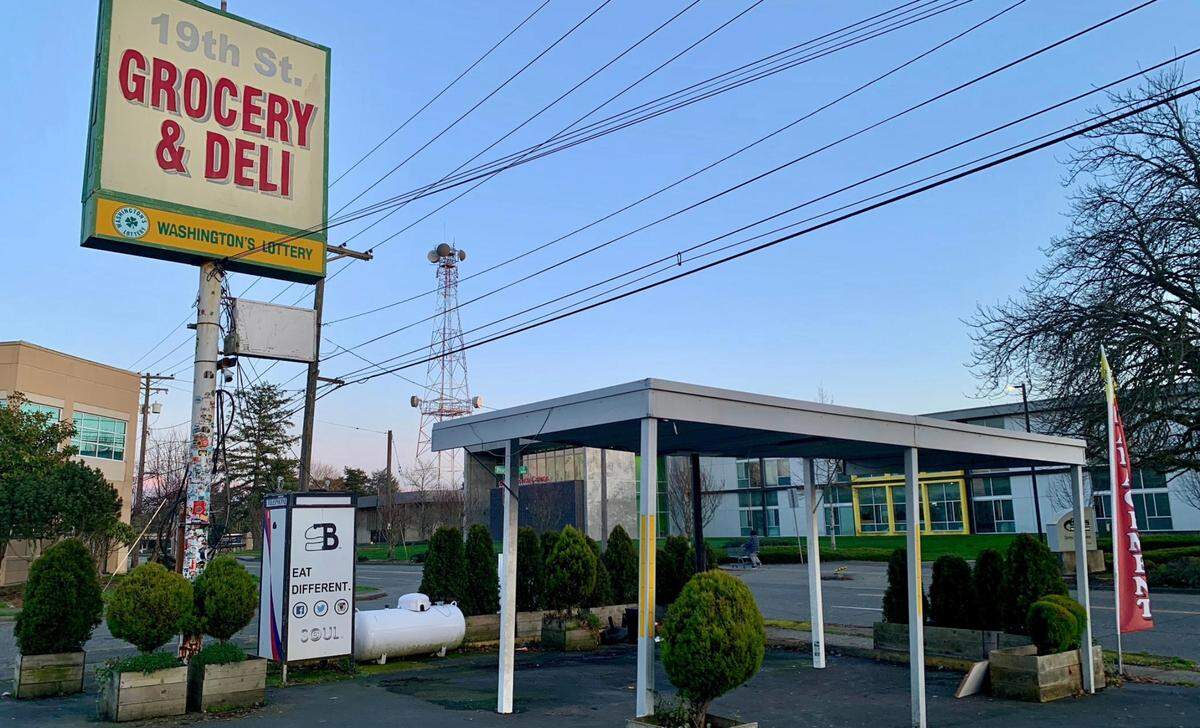
In 2021, Madison visited the convenience store where Burger Seoul had a commissary kitchen, equipped with an under-the-sink grease-collecting machine that the food truck owner, Young La, said he regularly cleaned. Two years later, Madison returned to the site and emailed the health department.
“I would like to discuss closing them down,” he wrote, according to emails The News Tribune obtained in a public records request.
Also that year, Madison “literally scared” the staff of Infinite Soups when he showed up unannounced, recalled co-owner Wendy Clapp. He decided the restaurant’s grease trap, which they also routinely cleaned, was insufficient and that he would issue a $5,000 fine every day until they installed a big, in-ground interceptor.
“This was out of the blue to us that we were out of compliance,” Clapp said in March.
Madison agreed to let the shop keep its current setup if it showed proof of contract with a professional cleaning company for a $250 monthly visit.
Clapp also had been waiting for more than a year to get the green light on a second location at the Rhodes Center, due in part to the city’s grease-trap demands. Despite not planning to do any cooking on-site — just reheating soup — Madison wanted them to get the Beetle. According to Clapp, he advised her to “throw a couple of tables” in the cafe to avoid being considered a takeout operation.
“That’s not a code!” she said, exasperated. “I told him, ‘You are rigging the system against small family businesses.’”
To city engineers, restaurants like Infinite Soups and Rolls House — those that offer, or want to offer, takeout or delivery — had suddenly become mega-food machines, churning out chicken sandwiches faster than the busiest Chick-fil-A. Any kitchen acting as a commissary for even a single food truck, as was the case with Burger Seoul, was also capable of unlimited meals. No tables? Same. More than 40 seats, or more than 40 meals maybe leaving the kitchen in an hour? That’s how Tacoma dictates its grease-trap policy.
Is anybody listening?
Responding to several specific questions, the city repeated that it has a responsibility to ensure a productive and safe sewer system.
The News Tribune also asked two City Council members who expressed interest in restaurants’ grease-trap battles if those are the kinds of policies they wanted to uphold.
In a statement provided by city spokesperson Lee, Council member Olgy Diaz said she wants to “improve how we proactively communicate about grease interceptor requirements” while “championing programs that educate small and first-time business owners on issues that can arise in the permitting process,” especially for immigrants and people of color.
After Burger Seoul’s La contacted her last December, Kristina Walker told city manager Elizabeth Pauli in an email that grease traps “continue to come up in conversation and I’d like to learn more about them and the process.”
Walker said in a statement that “making sure our businesses can thrive while keeping our sewer system clean and operational is the goal.”
Both council members referenced support for small businesses, in part through low-interest loan programs, but neither addressed the policy’s effect on restaurants.
“The thing to understand about the city’s approach to this, and many other, community-facing issues is that the city always looks at things holistically,” said Lee by email. “We care very deeply about our small businesses and want to see them succeed. We also want to protect our infrastructure and waterways. With specific regard to grease management, the city prioritizes working with businesses to find good long-term solutions that meet their individual needs. It’s never purely transactional and there are a lot of back-and-forth conversations.”
If told they must upgrade, businesses that want or need to use an alternative could apply for a variance, said Fremont, a process that requires them to hire and pay a private engineer who would endorse the existing setup as capable of achieving similar results.
The city pointed to that exception as evidence of wiggle room within the rules, but approval is not guaranteed. As several restaurant owners recounted to The News Tribune, getting there can be a months-long headache.

In March, about two dozen of them gathered at Manuscript, which was under a “probationary period” with Madison over its current machine. Everyone in the group either owned or worked in a local restaurant, bar, coffee shop, food truck or bakery — and everyone had a grease-trap saga to share.
If Tacoma continues down this path, they worried aloud, existing independent restaurants would close and potential newcomers would look elsewhere.
It took months for Busy Body to resolve its situation, but the bar can finally serve brunch, be on DoorDash and offer limited catering.
At Rolls House, Jang is at an impasse. He has the restaurant’s existing hydromechanical interceptor cleaned regularly. He wants to follow the rules, but he has heard that other restaurants offer delivery but don’t have the big, expensive machine.
“I never think about doing delivery services without permission, right? So now I’m still thinking, how can I survive?”
By mid-summer, he felt he had just two choices: risk being caught or close.
This story was originally published August 15, 2024 at 5:00 AM.