Tacoma’s grease-trap policy is like using a sledgehammer to swat a mosquito. Do better.
READ MORE
Grease trap rules vex Tacoma restaurant owners
Tacoma’s strict, expensive approach to a little-known environmental issue has led many in the local restaurant industry to wonder who the city really supports.
Expand All
Driven by a well-intended commitment to public health, the City of Tacoma has painted itself into a bureaucratic corner that punishes small businesses the city claims to support.
Reporter Kristine Sherred’s deeply researched story on the city’s grease-trap policy reveals a familiar scenario: local authorities guarding a problematic status quo rather than seeking practical solutions that foster Tacoma’s growing restaurant scene.
No one, including restaurant owners, wants a grease-clogged public sewer system. It’s about more than the right thing – it’s sound public policy, and it’s mandatory. The city is legally obligated to keep local pipes clean. The issue is how.
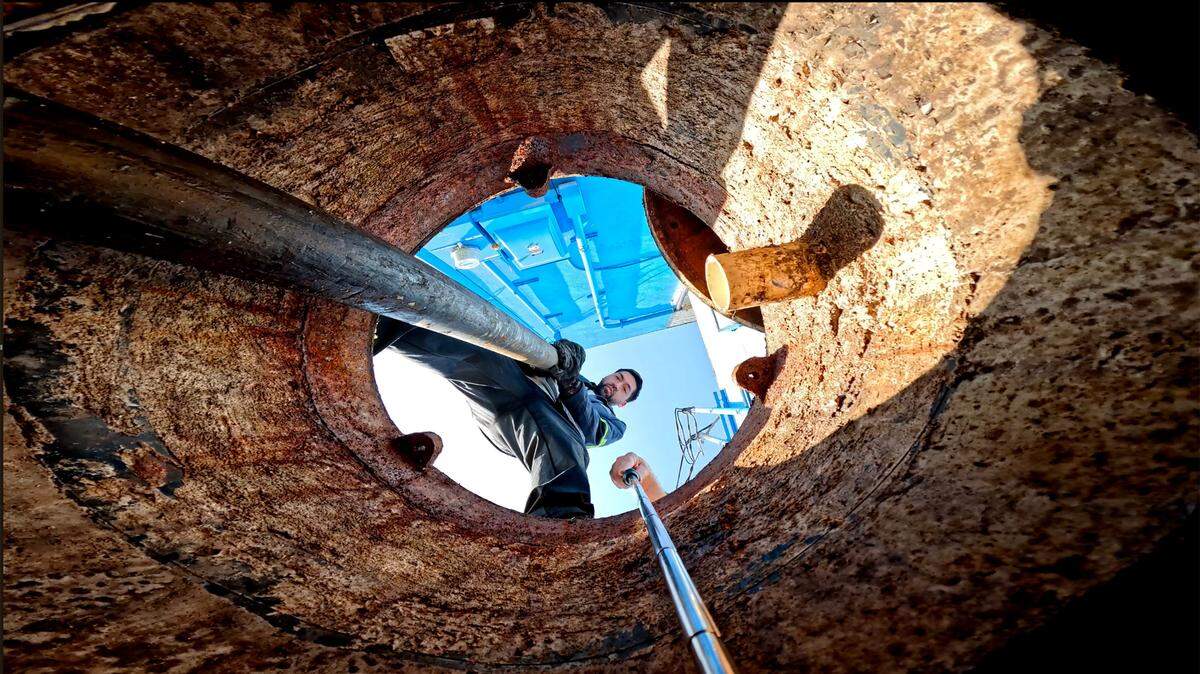
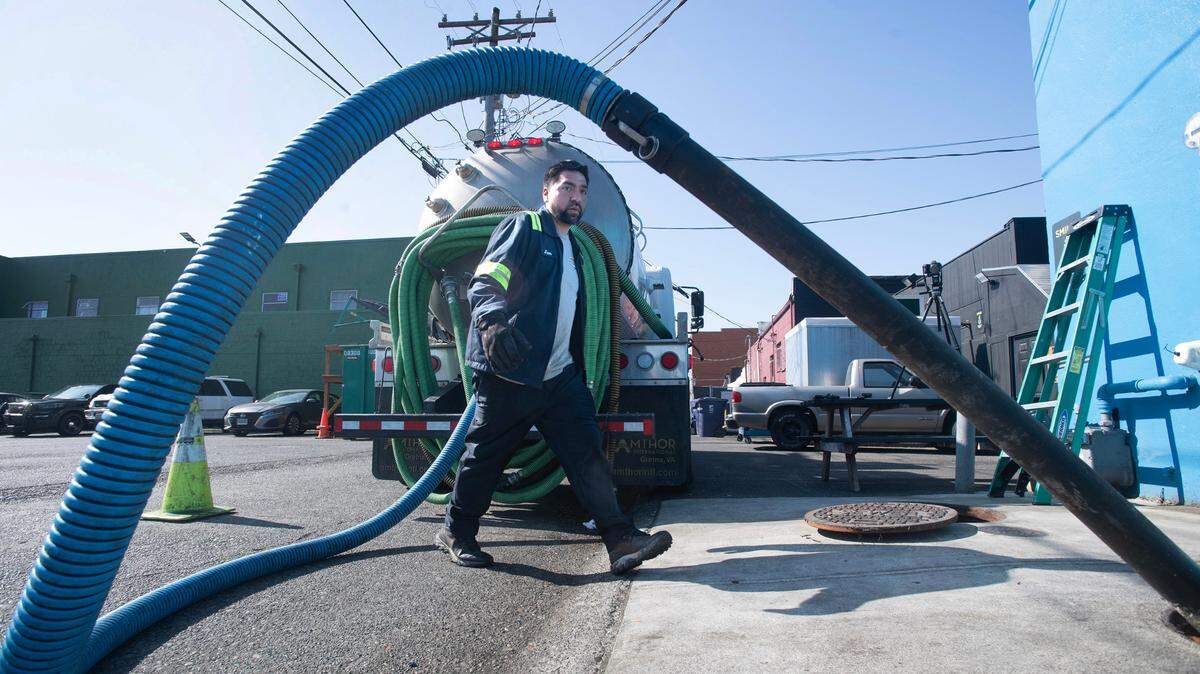
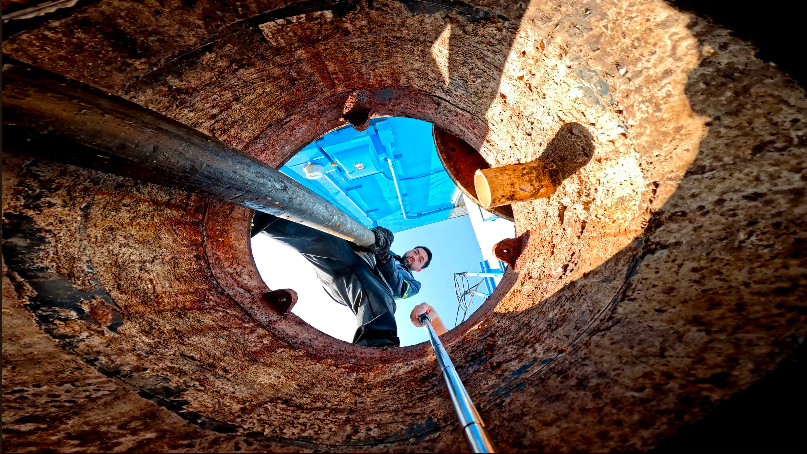
Sherred’s reporting shows that the city defaults to the most expensive approach: demanding the installation of massive bunker-style grease traps in every circumstance, whether the restaurant is large or small.
It’s one way, but not the only way. Joel Ducoste, an industry expert and engineering professor interviewed by Sherred, suggests that smaller-scale grease traps do the job just as well with regular cleaning and maintenance. Other cities around the country and the Northwest, including Portland and Seattle, allow the smaller systems.
The city’s defenses for its one-size-fits-all approach range from denial to deflection to dismissal, but they end at the same place: We’re right and business owners are wrong.
“We all want restaurants in Tacoma, but we also have a commitment to our community to protect their health, and to the state Department of Ecology,” one city official told Sherred. “We’re kind of caught in the middle … but the image is that we’re being punitive.”
It’s not image. It’s reality. The city’s approach forces small businesses without existing grease traps (and those with smaller versions) into a scenario that represents an up-front expense as high as $100,000. That is indeed punitive. It also favors well-heeled food franchises with corporate backing over smaller outfits that contribute to local business diversity.
A city spokesperson notes that businesses are free to apply for a variance from the grease-trap requirement, but that’s kind of doublespeak, promising flexibility while practicing rigidity. Applying for a variance isn’t a matter of filling out a simple form. It’s code for hiring and paying an engineer and perhaps a lawyer to fight and argue, with no guarantee of success.
Such runarounds are more than frustrating. They create bigger barriers for smaller or minority-owned businesses with fewer resources, trapping them in a perverse loop: the up-front expense of the grease trap eats up the money that could be invested in opening a business.
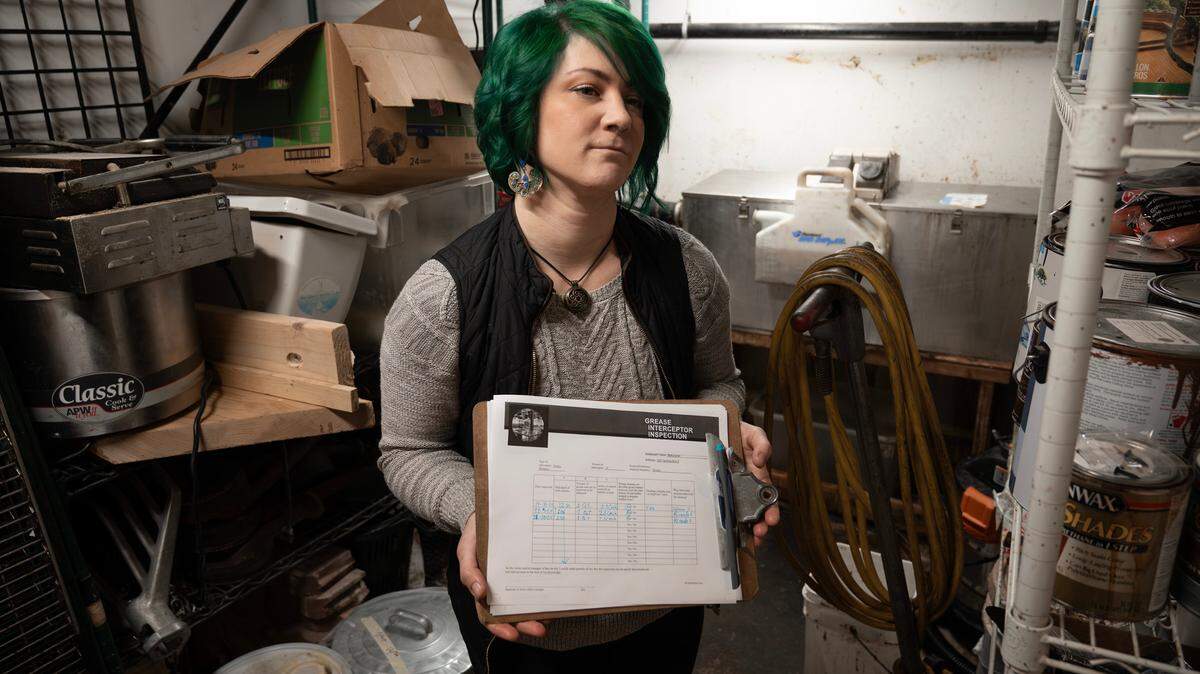
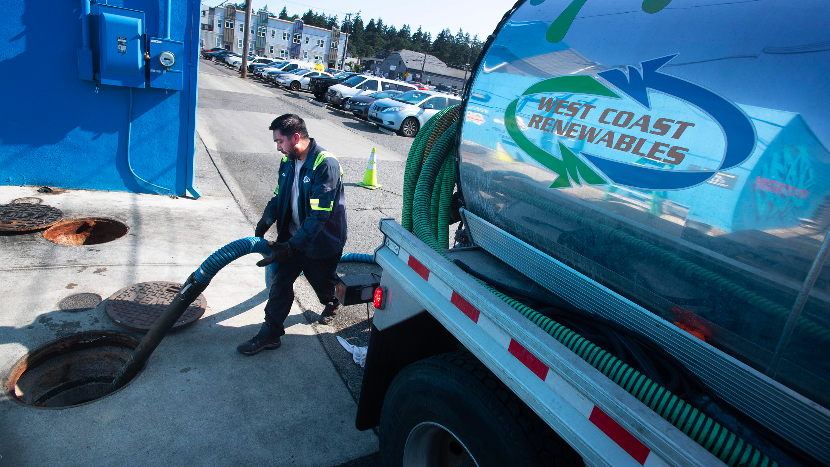
Other aspects of the city’s enforcement are more troubling. The city leaves the duties of grease-trap oversight to a single employee who handles 600 sites per year, according to Sherred’s reporting. What’s more, five years of sewer overflow reports from the state Department of Ecology – the best source of data — show that restaurants and food services aren’t the chief cause of such incidents.
Given those facts, the city’s approach gives the impression of using a sledgehammer to swat a mosquito. A better way would involve a thoughtful review and easing of local rules while placing more enforcement emphasis on cleaning and regular maintenance, as opposed to mandating giant concrete boxes in every setting.
Environmentally conscious cities like Portland and Seattle have managed to strike this balance. Tacoma has a chance to match and improve those efforts.
The News Tribune Editorial Board is: Stephanie Pedersen, TNT president and editor; Jim Walton, community representative; Amanda Figueroa, community representative; Justin Evans, community representative; J. Manny Santiago, community representative; Bart Hayes, community representative.
This story was originally published August 22, 2024 at 10:57 AM.