‘I want to forget everything.’ Restaurant stymied by Tacoma’s grease-trap policy closes
READ MORE
Grease trap rules vex Tacoma restaurant owners
Tacoma’s strict, expensive approach to a little-known environmental issue has led many in the local restaurant industry to wonder who the city really supports.
Expand All
Rolls House, a Korean restaurant in Tacoma’s South End whose owner called attention to the city’s cumbersome and sometimes prohibitively expensive grease-trap policy, closed last month.
“I had a bad experience during the last year, and I want to forget everything as I had a lot of stress,” owner Sandy Jang said in an email.
He had hoped to sell the business, but a deal that still would have left him in the red fizzled, he said. He gave up after service on Dec. 18.
“I invested a lot of money for the restaurant through remodeling,” he continued. “It was very hard to keep it, and I finally decided.”
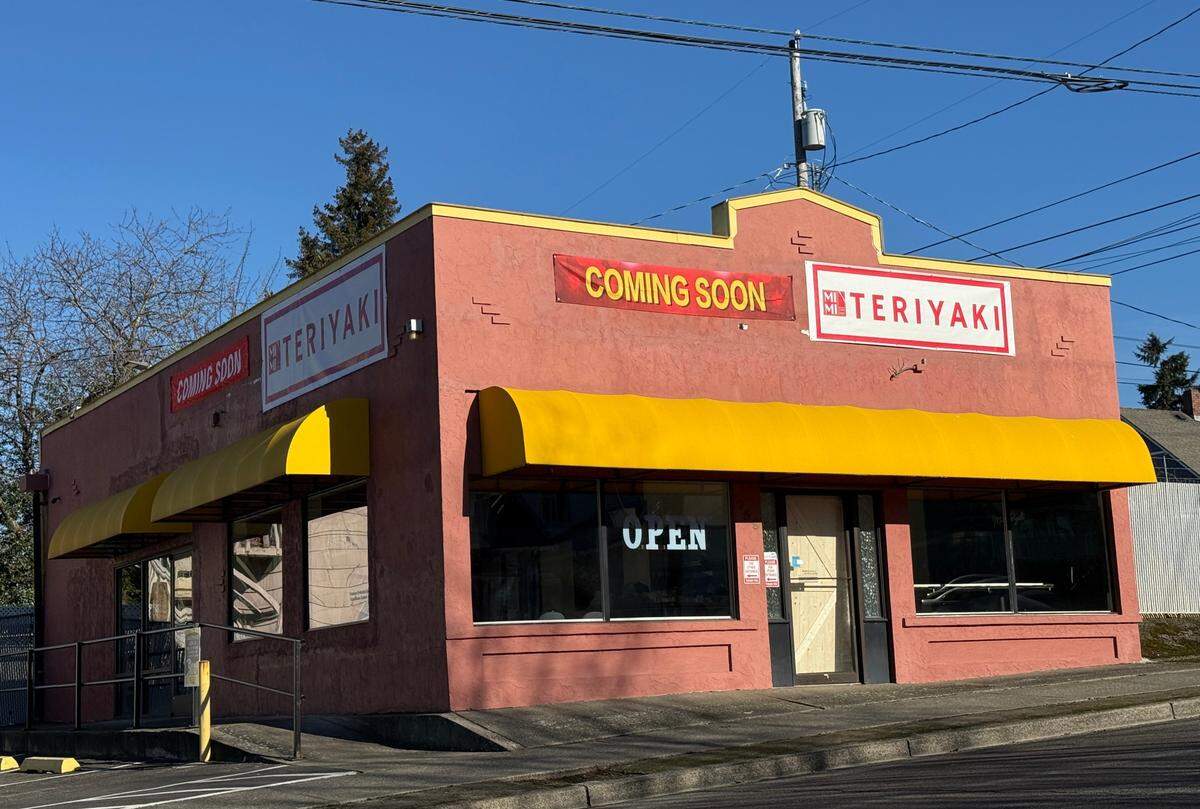
The Rolls House sign has been removed from 759 S. 64th St. Mimi Teriyaki, which has a location in Hilltop, will take its place, according to a “coming soon” banner.
Jang opened Rolls House in March 2024. The South End Neighborhood Council posted excitedly on Instagram about its debut — a rare new restaurant in the neighborhood just east of Interstate 5 — and noted the family’s success in Portland, where Jang’s sister ran a well-reviewed food truck.
Like many fast-casual and counter-service restaurants, the menu was designed to be takeout-friendly and anticipated that a good chunk of customers would find the restaurant on delivery apps like DoorDash and Uber Eats. But the city told him he couldn’t use those services because the building’s grease trap was insufficient.
Jang spoke with The News Tribune last summer about the city requirement and the negative impact it was having on his business.
“Without delivery service, our sales per day is not good. That way I cannot survive,” he said in July.
Tacoma’s Environmental Services department wanted him to install a large, gravity grease interceptor, which cost $30,000 to $50,000 before labor and installation fees. Jang was quoted more than $100,000 for the whole project, which neither he nor the landlord could afford.
“Our neighborhood needs every business. We hate to lose a good one,” said South End Neighborhood Council vice chair Rachel Kunze in an email. She worries its replacement will face similar challenges.
TACOMA’S UNUSUAL ‘DELIVERY RULE’
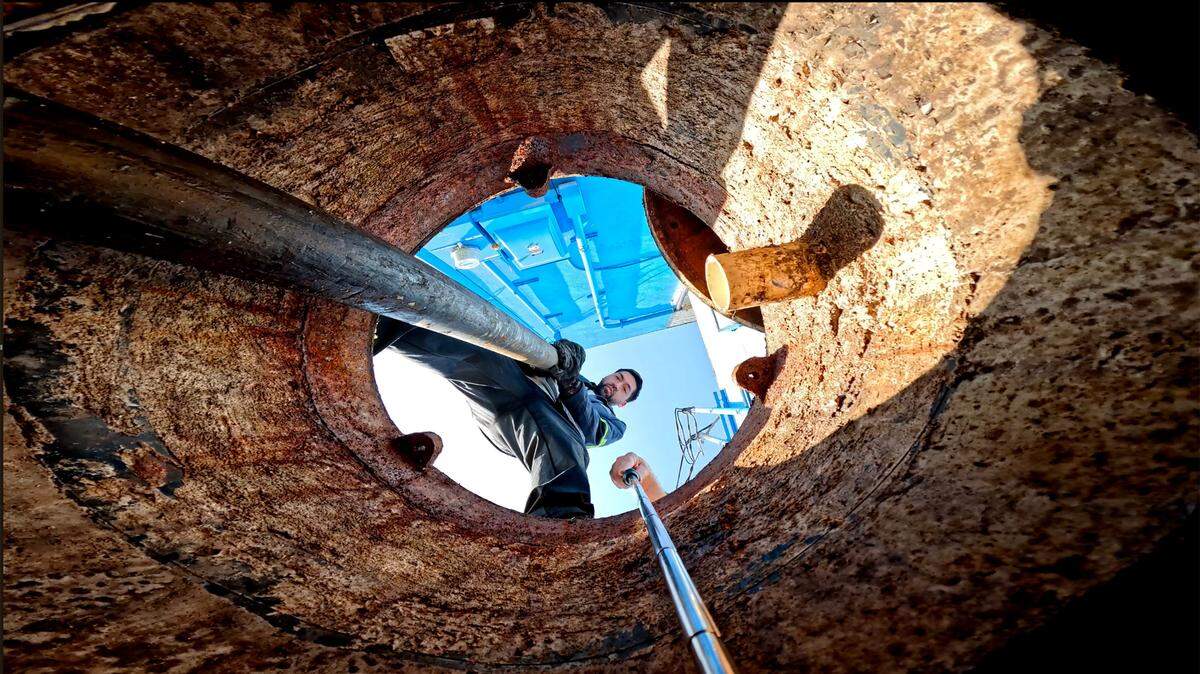
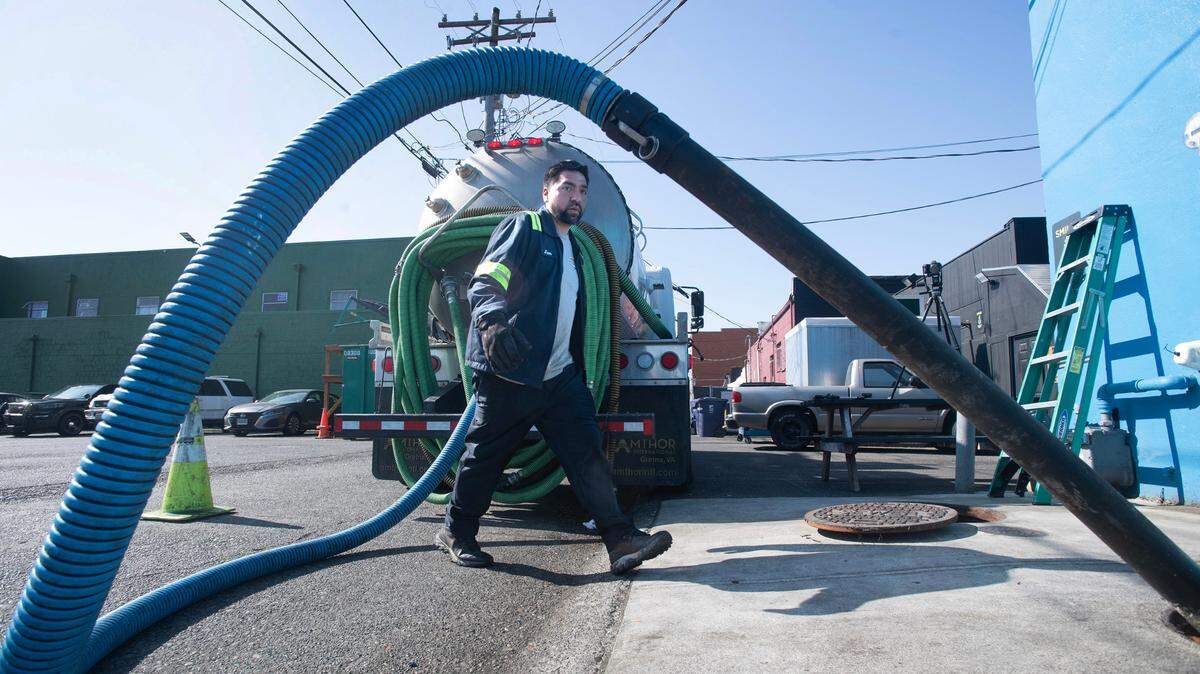
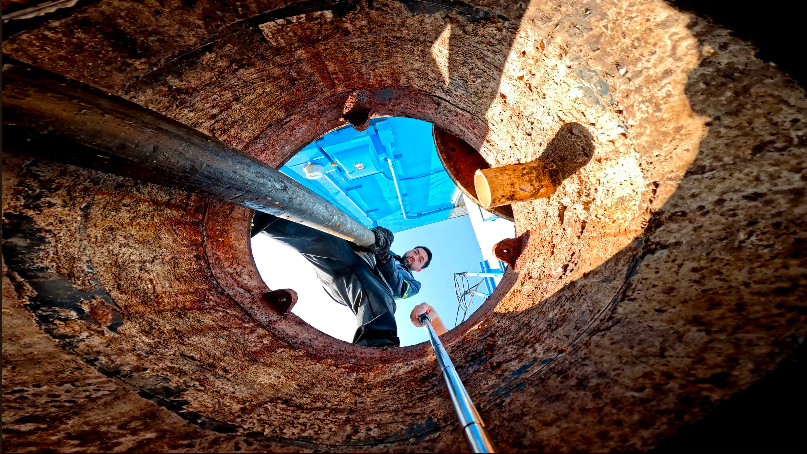
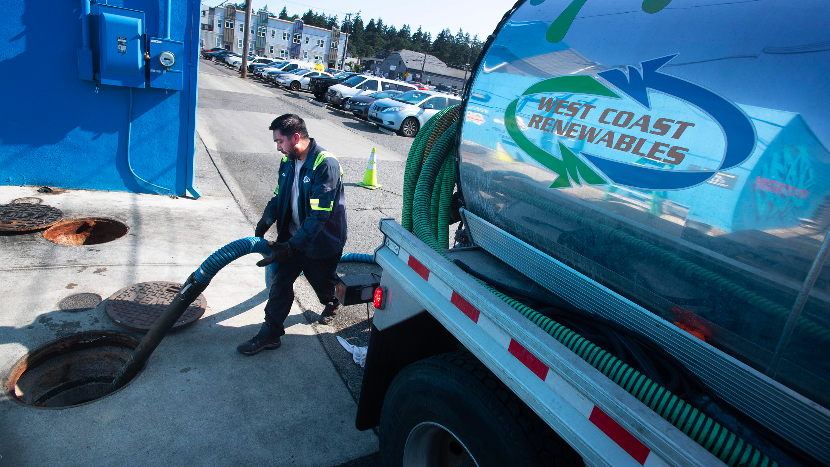
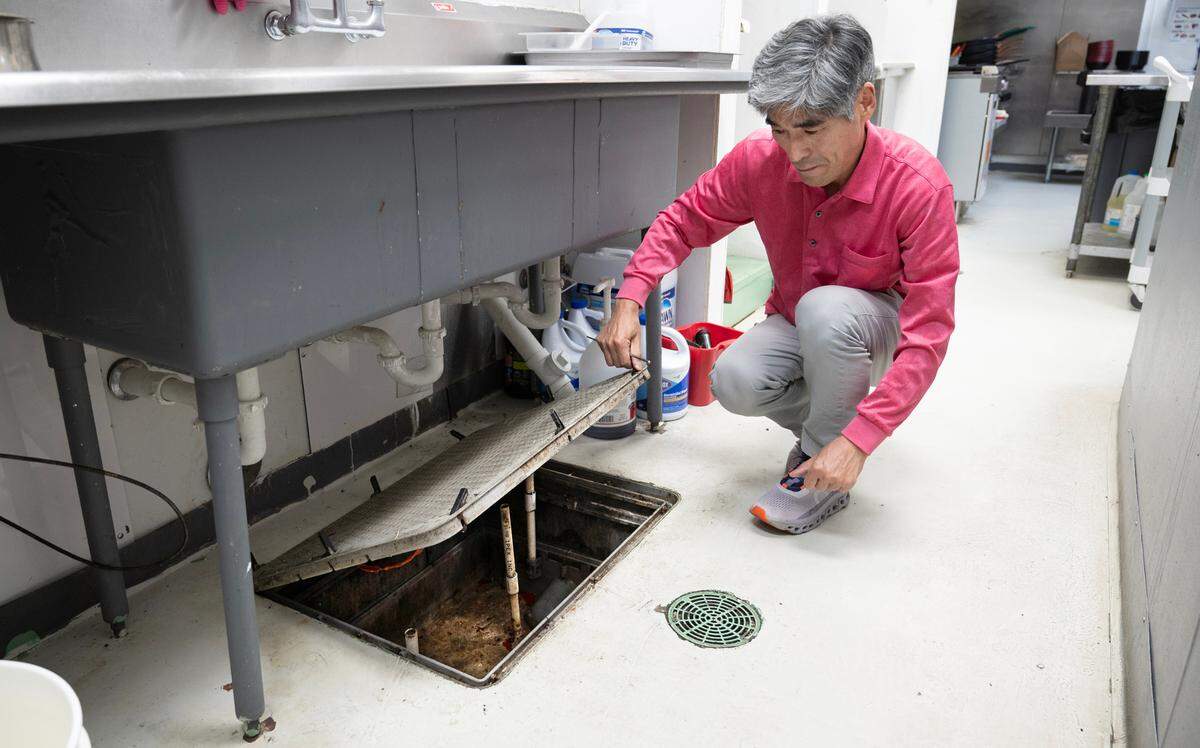
Such plumbing devices sit between a restaurant’s sinks and the sewer main, acting as a barrier to keep fats, oil and grease (FOG) out of the sewer system. They are necessary tools to maintain public infrastructure and clean waterways, and the Environmental Protection Agency requires cities to build programs to combat FOG.
The in-ground, typically concrete tanks that Tacoma has insisted are necessary for restaurants like Rolls House are not the only option. Smaller, more affordable hydromechanical interceptors are used in restaurants across the country. By the city’s estimates, 80% of the more than 1,000 foodservice establishments in Tacoma’s purview use the smaller machines. They come in various sizes and cost a few thousand dollars. All grease traps require routine cleaning, and the smaller ones can be just as effective when well-maintained, according to several private engineers.
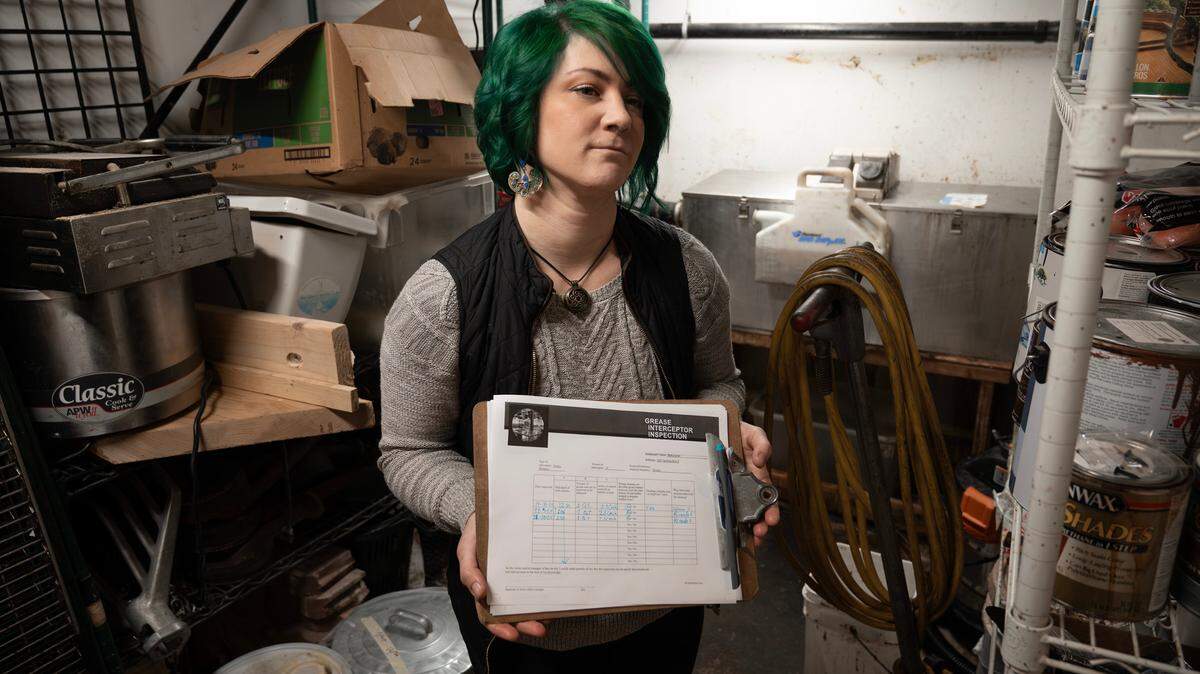
The city’s approach to grease traps in recent years has been criticized by the local restaurant industry for being inflexible and impractical, as The News Tribune reported last year. Despite emphasizing FOG prevention when restaurants are trying to open or are changing owners, city staff generally inspect grease traps every five years — the EPA’s minimum rotation. Some restaurants have been required to sign contracts with professional cleaning companies and then told to expect a city employee to review those records, yet owners have said that follow-up hasn’t happened.
At Rolls House, Jang tried to convince the city to reconsider. In July, he emailed his District 5 council member, Joe Bushnell, who said his team would “be reaching back out to you soon.” Jang heard nothing more until October, after The News Tribune inquired about the correspondence.
Tacoma’s FOG documents are silent on food delivery. Environmental Services adopted its interpretation in tandem with the COVID-19 pandemic, city spokesperson Maria Lee said in November. Staff has posited that a restaurant on DoorDash is capable of selling high volumes of food, which would in turn create a high FOG load.
Restaurant professionals have said that theory disregards the actual size of their kitchens, the number of cooks that can fit in them and how many they can afford to pay.
It also runs contrary to the harsh reality for restaurants during the pandemic when the industry lost an estimated $200 billion in sales, according to a 2021 report in Restaurant Business. The switch to takeout and delivery for most eateries was fleeting, representing just 10% of total sales by 2022, per a review by the U.S. Department of Agriculture.
Buddy Brown, the owner of the popular Buddy’s Chicken and Waffles, struggled for months to get the grease traps approved at his Lincoln District restaurant. The city eventually green-lighted his setup, but he, too, has had to stay off DoorDash.
Delivery would boost sales, he said, but the bigger benefit is just about awareness.
“The added promotion from being able to list my business on those apps would help me reach an audience that don’t follow me on social media,” he said.
‘DEEPLY SADDENED BY THE CLOSURE’
Bushnell was unavailable for an interview but said in a statement that he was “dedicated to learning from this business’s experience” and that of others. He also referenced a business climate survey sponsored by the Tacoma-Pierce County Chamber last year, in which only 43% of more than 220 respondents agreed Tacoma was “a good place to have a business.” Half of businesses said they anticipated gross revenue to remain stagnant, and about a third said they were dissatisfied with city communications about policies that could impact their business.
“I am deeply saddened by the closure of Rolls House and understand the owner’s frustration with the city’s grease interceptor regulations,” said Bushnell. “Local restaurants add character and quality of life to the surrounding community, and Tacoma is a place where we want to see local restaurants thrive.”
He mentioned discussion of “economic development support” for restaurants but did not address potential conversations about FOG-related policies.
John Sunich, a compliance analyst in Environmental Services, confirmed last week that he and his team are considering a “micro-study ... to evaluate some of the feedback we’ve heard from the restaurant community” about grease interceptor sizing requirements.
Editor’s Note, 1/28/2025: This story has been updated to reflect council member Bushnell’s availability and his correspondence with the business owner, and with comment from the South End neighborhood board.
This story was originally published January 27, 2025 at 5:00 AM.