How bad is vehicle homelessness in Tacoma and Pierce County? It depends on who you ask
READ MORE
RV Homelessness in Pierce County
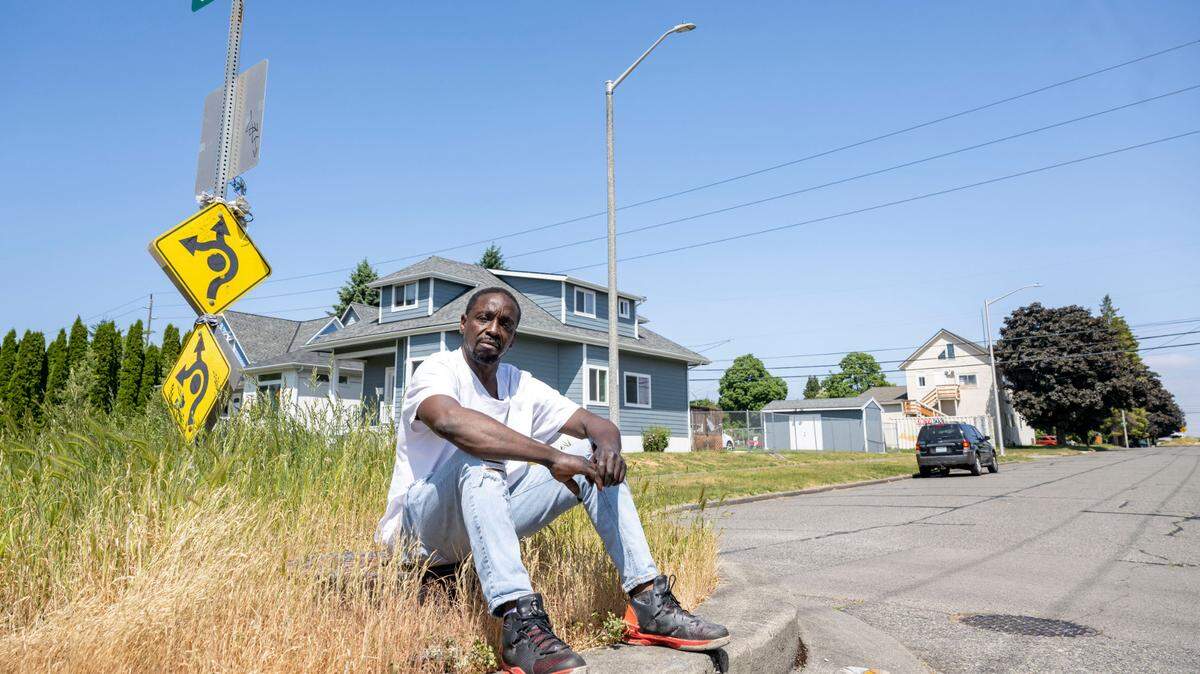
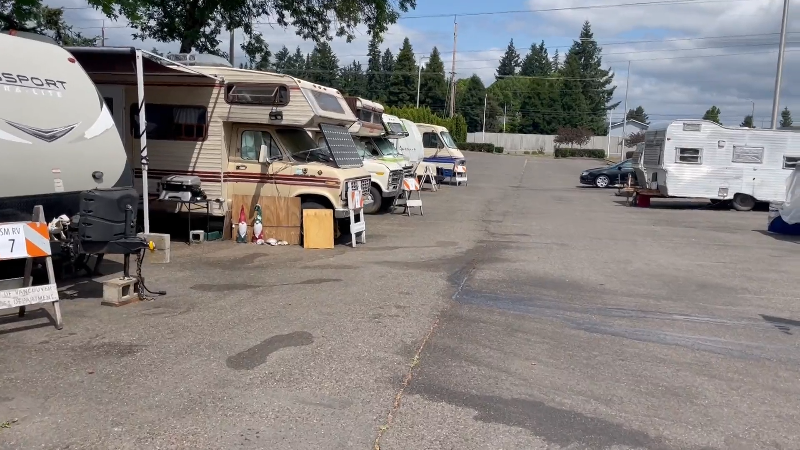
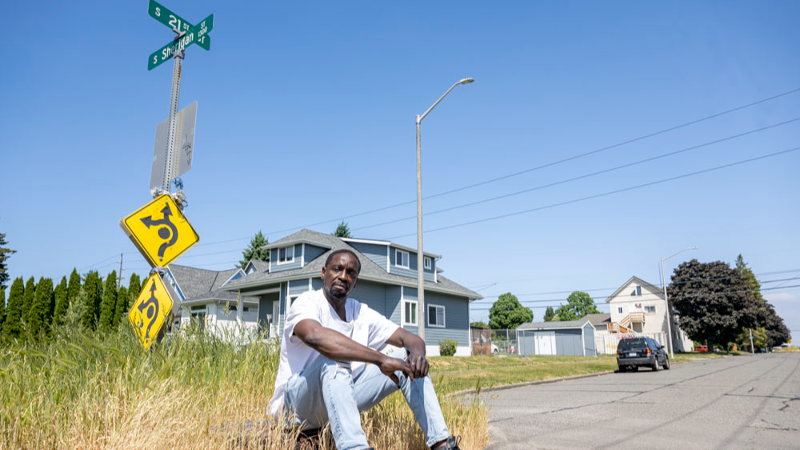
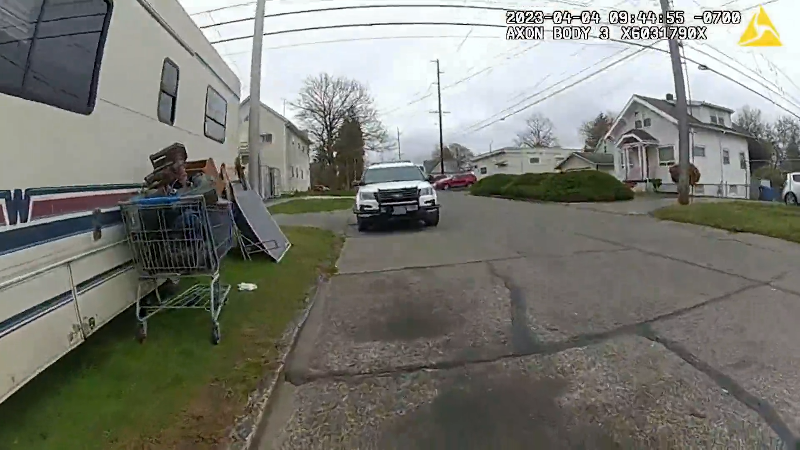
After Ivory Kelly’s RV was towed from its spot in Tacoma’s Hilltop in April, his life unraveled. In the process, he’s become part of a distinct population of vehicle-dwelling unhoused that’s increasing locally and nationally. The growth is straining government resources, businesses and neighborhoods.
Expand All
The next time I spoke to Ivory Kelly, there was a weight on his shoulders — you could tell.
He said he was thinking about breaking it off with his girlfriend Amanda because he was tired of arguing. He said he was thinking about checking into a detox facility because he’d been evaluating his life and realized smoking meth, an addiction he’s battled off and on for much of the last decade, wasn’t helping.
Kelly, 59, is the subject of The News Tribune’s series on vehicle residency, and the increase in people living in cars and RVs, locally and across the nation. Kelly’s RV was towed on April 4 after being the subject of Tacoma 311 nuisance complaints. He’s been homeless since 2017, and the city-sanctioned impound of his RV sent his already turbulent life into a tailspin. This story is part two of the series.
Over the years, Kelly’s family has expressed concern about his drug use, he acknowledged on that morning in May. At times, it’s driven a wedge between them, he said.
Kelly has three children, all of them born when he was a young man, he told me. He has two sons, one he’s never really known and another who was adopted as a newborn by his brother.
Kelly’s youngest child, a daughter, Chantle’, still lives in the Tacoma area, Kelly said. He’s maintained a relationship with her, and her mother, who lives in Fort Worth, Texas. But Kelly’s substance use — and what he describes as their objections to his “lifestyle” — have often divided them, he said.
Kelly kicked crack cocaine, so he believes he’s capable of quitting meth, too. But the way his life has played out recently — including the physical pain and depression he’s endured — hasn’t made it easy, he told me.
On this day, at least, Kelly said he was ready for “a transition to something better.”
“I’ve been cutting down and trying to wean myself off because nothing good is happening. I mean, look what happened,” Kelly said, before trailing off.
“I don’t want to try to lie and make it pretty. It is what it is,” he added.
“I’ve gotta move forward with my life.”
If you get to know Kelly, as I have over the last few months, two things become clear: He’s candid about his mistakes and transgressions, and most discussions about his struggles with homelessness and addiction eventually come back to two women, his mother and his wife.
Kelly was married to Rhonda Lynn on Feb. 2, 2002 — a date that was “all twos,” as he recalls. The service was held at 2 p.m., at a church along Bridgeport Way that’s long been closed.
The couple met on Hilltop; she was two years older and, like Kelly, had a deeply religious upbringing. She left California trying to get away from the gangs and drugs that surrounded her there, and together, they helped each other stop using, Kelly said.
Kelly’s wife was also ill with kidney disease, relying on regular dialysis and a host of other medications, he said. They lived in Lakewood for much of their time together; he worked at a local beer and wine distributor and made a good living. Through the church, they were connected by their faith, he said.
At one point, doctors told Kelly that the average life expectancy for a person on kidney dialysis is seven to 10 years.
All told, he was married to Rhonda Lynn for more than 15, and the couple was together for roughly two decades.
“She was an inspiration for me, and a big part of my life,” Kelly said. “It wasn’t all good, but it was better than anything I’d had before.”
Kelly’s wife died on Nov. 29, 2017 — a date he recalls with more ease than the couple’s anniversary. It’s a difficult situation for him to talk about, because of the guilt he harbors about his final months with her, he said.
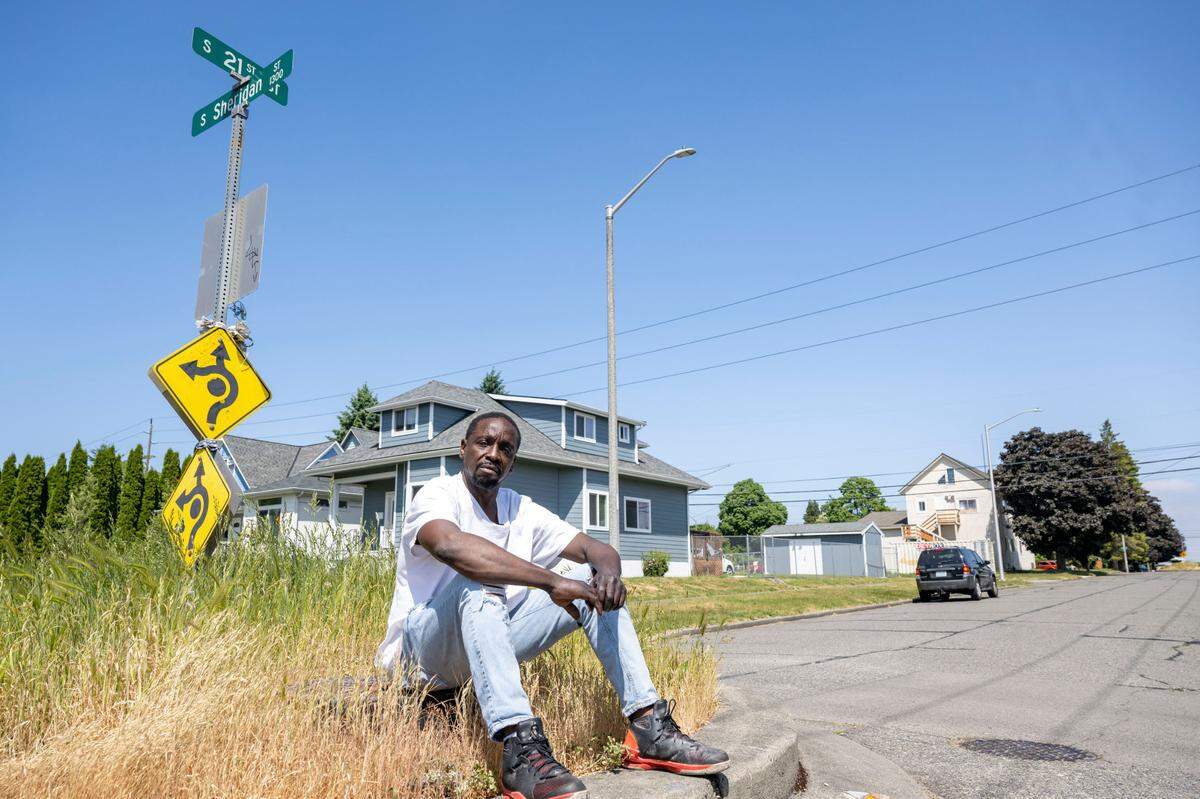
Prior to his wife’s death, in March of 2016, his mother, Buelah Kelly, died at the age of 74. The death hit the whole family hard, according to Antonette Kelly, but Ivory, her little brother, took it the hardest.
The situation was messy, she said: Prior to his mother’s death, Ivory felt increasingly pulled between the two people he cared about most. It created tension in his marriage, and when their mom died, the fact that he wasn’t around more in the months leading up to her passing made him feel like he abandoned her when she needed him most.
“Once we lost our mom, I think that was his heart,” Antonette told me.
The months that followed Beulah Kelly’s death were some of his darkest, Ivory said. He ran the streets, mixed with the wrong crowd and ultimately cheated on Rhonda Lynn.
He’s not proud of how he acted. The shame brings him to tears. He misses his mother and knows he treated his wife horribly.
He’s been homeless ever since, and when I ask him how it happened, these are the wounds Kelly points to.
When I ask him about the drugs, it’s the same answer.
“I just thought I deserved it,” he said of his life in recent years.
“My mom died, my wife died. I wanted to die, too.”
‘Suddenly seeing more’ cars and RVs
Ivory Kelly isn’t alone.
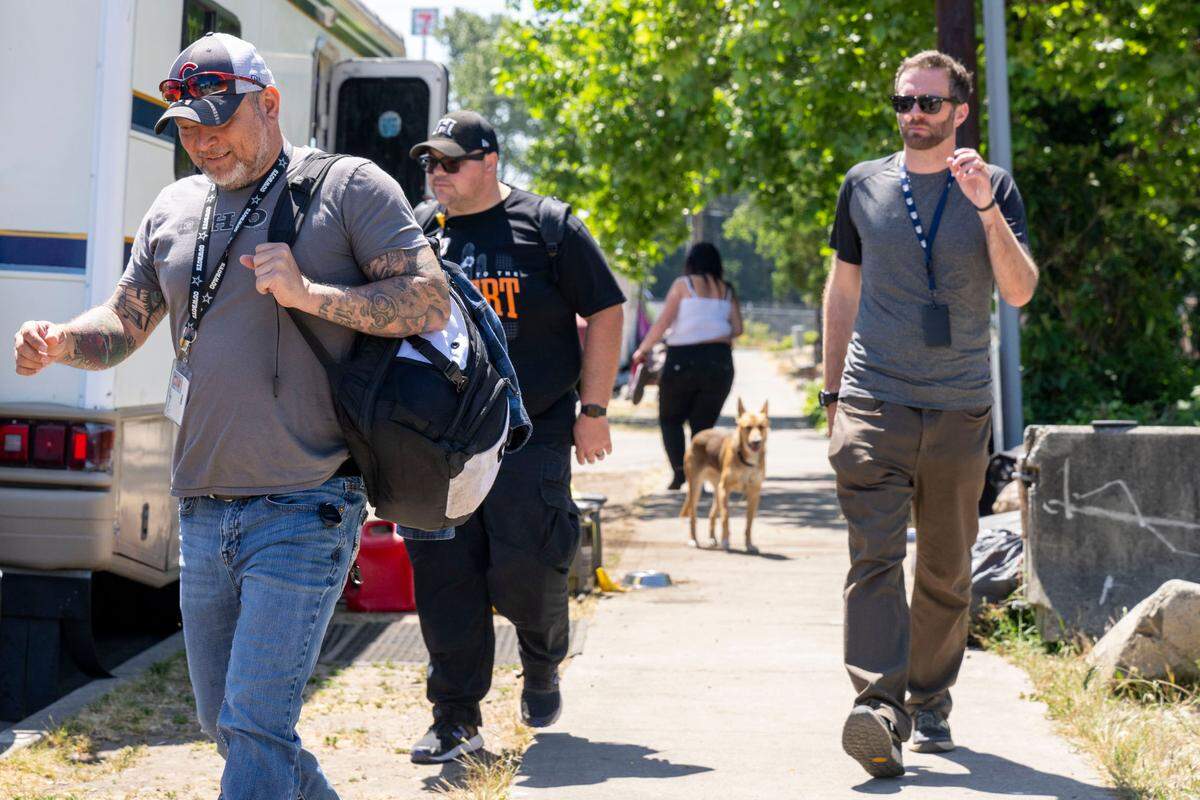
It’s something Glen Kelley, who leads the Greater Lakes Homeless Outreach and Stabilization Team, can vouch for.
For more than two decades, Kelley has worked in homeless outreach and substance-use disorder treatment in Pierce County. The job involves regularly visiting areas where homeless people reside in hopes of connecting them to resources and shelter. It also requires him to have a firm grasp on the county’s homeless landscape and the ways that it’s changing.
Over the last two or three years, Kelley told me, the number of people he encounters living in cars or RVs has grown significantly. Over the last three years, he suggested, it had increased by roughly 30% — with an even more pronounced increase in the number of people he finds inhabiting recreational vehicles and trailers. Dating back even further, the growth in vehicular homelessness has been even more pronounced, he told me.
It’s a shift Kelley attributed to a number of factors, including the high price of housing, the recent increase in homeless-encampment sweeps, the availability of cheap RVs and, in some cases, even federal COVID-related stimulus checks.
“It was already gaining ground, so I’m not going to blame it all on COVID, but that’s when it exploded,” Kelley said from behind a conference table at his Greater Lakes offices, a place he spends little of his time.
“There was a lot of free money that was getting passed around, and the homeless took advantage of that,” he continued. “A lot of old campers and RVs were purchased, and I think it started a trend. People realized they could have a mobile home and be a little better off.”
Elliott Bagwell is a nurse practitioner specializing in what he describes as “street medicine” who’s part of Kelly’s homeless outreach team. He agreed with the assessment.
Bagwell said the change has been noticeable, and understandable, he said, given the security and peace of mind a vehicle or RV can provide to someone with nowhere else to go.
“We spend all day driving around Pierce County, and roads and neighborhoods where we hadn’t seen people parked, we’re suddenly seeing more and more,” Bagwell said. “I think (vehicles and RVs) provide a sense of safety for a lot of people, and it certainly seems like there’s more of them.”
It’s a telling perspective that appears to reveal a stark divide between what our limited methods of homeless data collection are able to tell us and the day-to-day reality facing homeless outreach professionals in Pierce County — and beyond.
People who work in the local trenches, like Glenn Kelley’s team, say vehicle homelessness has grown significantly.
Tacoma Police Capt. Corey Darlington, who leads the agency’s community policing division, also described an increase. He told The News Tribune there are many factors behind it.
“There’s a housing situation, in that there appears to be a lack of affordable housing. Some people feel like their only option is to live in a vehicle,” Darlington said.
“We’re certainly seeing an increase across the city, and I suspect the county as well,” he added.
If these firsthand assessments are correct, Tacoma and Pierce County aren’t outliers. But there’s a catch. In 2023, Pierce County’s Point In Time count identified 135 people living in vehicles, which accounted for just 28% of the area’s unsheltered population, and only 6% of the total homeless population. It’s also significantly less than neighboring counties, even when you account for overall population differences.
Point In Time counts typically identify someone as unsheltered if they’re living outside or in another location “unfit for human habitation” — such as an abandoned building or vehicle. People who are staying in facilities like congregate facilities or transitional housing are considered to be “sheltered.” An area’s overall homeless population combines both numbers.
Particularly on the West Coast, according to Graham Pruss, the director of the National Vehicle Residency Collective, the number of people living in vehicles has been on the rise for years.
Pruss has specifically studied local vehicle residency in Seattle and King County, and said that, according to available data, the number of people living in vehicles there grew from 852 in 2009, or 30% of the area’s unsheltered population, to 3,372 in 2018, which at the time represented 53% of the local unsheltered population. More recent data suggests the total decreased in 2020, the last year King County conducted a traditional count before changing methodology in favor of a more qualitative approach, but not much.
Outside of King County, knowing the full extent of vehicle homelessness is more difficult. Many places, including Pierce County, have only started specifically tracking vehicle homelessness in recent years. The earliest data Pierce County has available on vehicle residency dates back to 2016, when 130 people were identified as living in a vehicle — virtually the same number as today, with peaks and valleys over the years.
In Snohomish County, which has a population similar to Pierce, the 2020 Point In Time identified approximately 669 people living without shelter. A total of 332 were found living in vehicles, which accounted for roughly 49% of the county’s unsheltered population at the time. That was up significantly from 125 in 2018, at which point roughly 33% of Snohomish County’s unsheltered population was recorded living in a vehicle.
Like in King County, more recent data from Snohomish County’s annual Point In Time count suggests a slight decrease in the number of people relying on a vehicle for shelter. The 2023 count identified 281 people living in vehicles, which accounted for roughly 41% of the county’s unsheltered homeless population.
It’s still more than double the number of Pierce County individuals found living in a vehicle.
Clark County, home to Vancouver, has a population roughly half the size of Pierce. Jamie Spinelli, the city of Vancouver’s homelessness response coordinator, told me the 2023 Point In Time count identified 182 people living in a vehicle. While that’s similar to Pierce County’s percentage of vehicle inhabitants within the overall unsheltered population, it’s also nearly 50 more people than Pierce County identified the same year.
Anecdotally, Spinelli told me there has “absolutely” been an increase in recent years of the number of people living in cars and RVs in Clark County, which like Pierce County is home to a sizable city and next door to an even bigger one.
“I don’t know how they’re getting ahold of so many old RVs, but certainly, they’re being purchased because people want shelter, they don’t want to be outside, particularly in the Pacific Northwest when it’s raining,” Spinelli said. “We get called very regularly, and I definitely see them.”
It’s not a trend specific to the Puget Sound area, other analyses suggest.
In 2019, according to Point In Time Count data included in a 2022 report by UCLA’s Institute of Transportation Studies, approximately 16,000 people in Los Angeles County were identified using a vehicle parked in a public space for shelter, accounting for more than 40% of the county’s unsheltered population.
Meanwhile, the National Homelessness Law Center has estimated 40% of unhoused people in West Coast cities live in vehicles.
In 2021, Sara Rankin, the director of Seattle University’s Homeless Rights Advocacy Project, described vehicle residency to USA Today as “one of the fastest-growing forms of homelessness” in the country, particularly on the West Coast and in the Northeast.
Eric Tars, the NHLC’s legal director, told The News Tribune that there’s a ready explanation for the increase in homelessness the country has experienced in recent years, including the rise in vehicle residency.
“What we’re seeing across the country is that wages and other income are not keeping up with the cost of housing, and that has been a long-term decline over the past 40-plus years. Many people don’t remember a time when mass homelessness did not exist on the scale that it does today,” Tars said.
“People weren’t, for the most part, living in their vehicles like we see today. They were able to find housing in some way,” he continued. “But then came the ‘80s, the Reagan Revolution, and the cutting of (the Department of Housing and Urban Development’s) budget for affordable housing by more than half, which was never made up for the next 40 years, at the federal level, the state level or at the local level.”
‘You’ve gotta move’
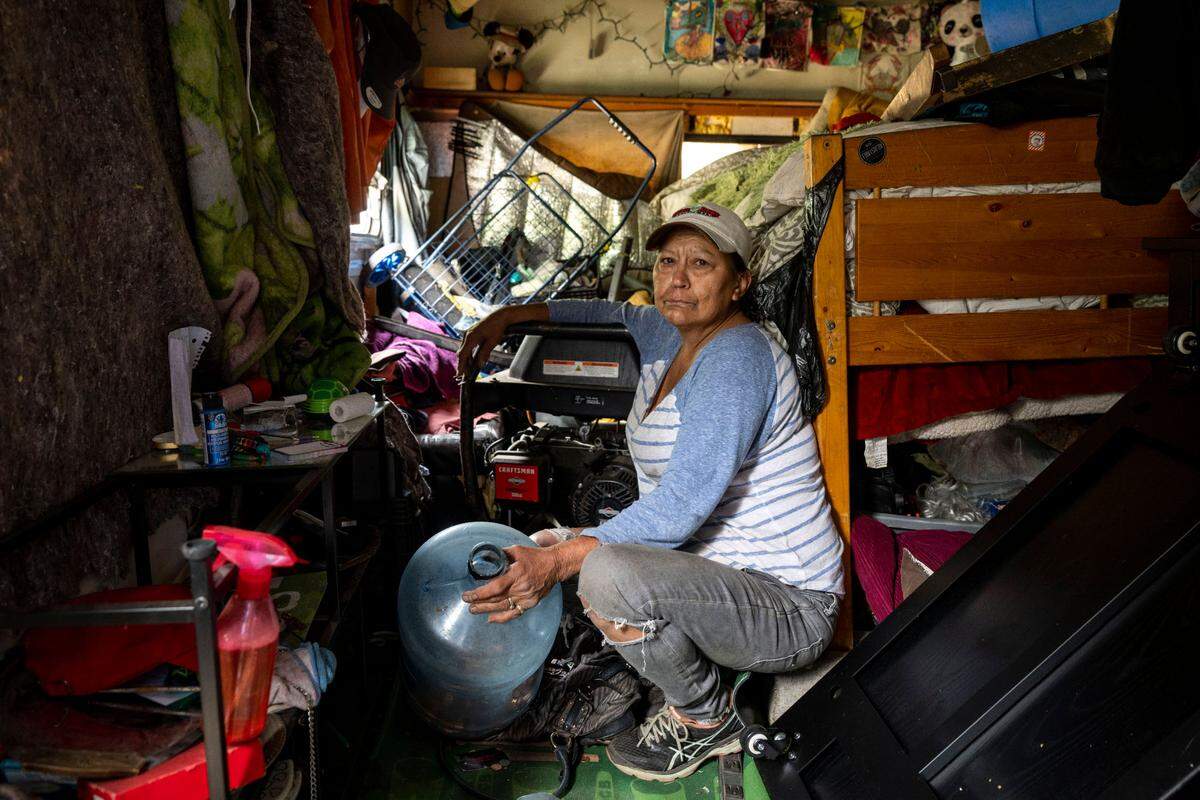
On the Tuesday after Memorial Day, Glen Kelley’s Greater Lakes outreach team encountered a scene along South Tyler Street in Tacoma that provided evidence of the destructive societal trends Tars described.
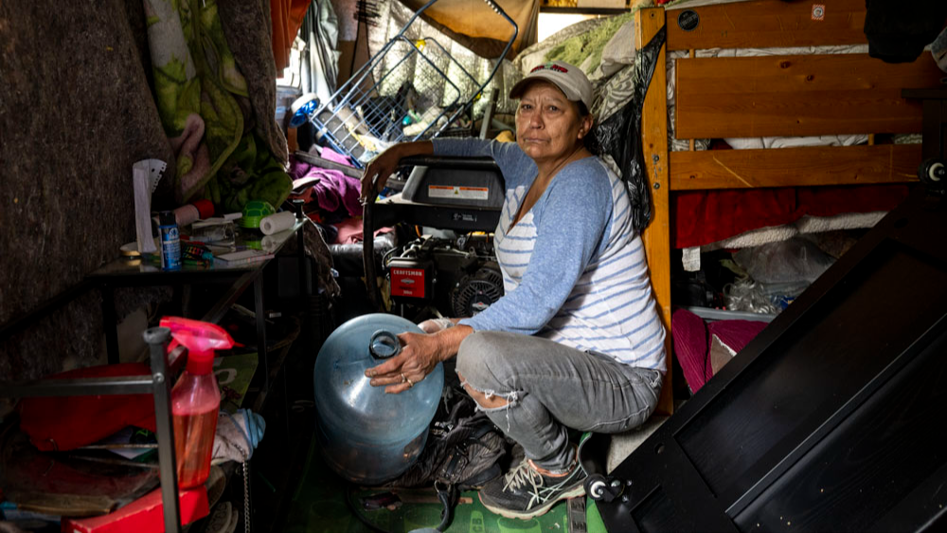
Standing next to two vehicles — a small trailer that had seen better days and a pickup idling roughly — Lisa Zollner and her younger brother Michael, both in their early 50s, were in the process of packing up, a routine the siblings have become painfully accustomed to, they told me.
Not far away, Tacoma police officers and members of the Washington State Patrol were stationed, overseeing the clearing of an encampment consisting of tents and vehicles that had, once again, grown too big to ignore. According to Glen Kelley’s team, it was the second time law enforcement had cleared the area in recent months.
Lisa Zollner told me that she grew up on Tacoma’s Eastside and fell into homelessness, along with her brother, a few years ago, after the death of their mother, which led to the loss of the family’s home. Since that time, they have tried to survive by working various odd jobs, most recently staffing events at the Tacoma Dome. But there’s no way to afford housing on their limited incomes, she said.
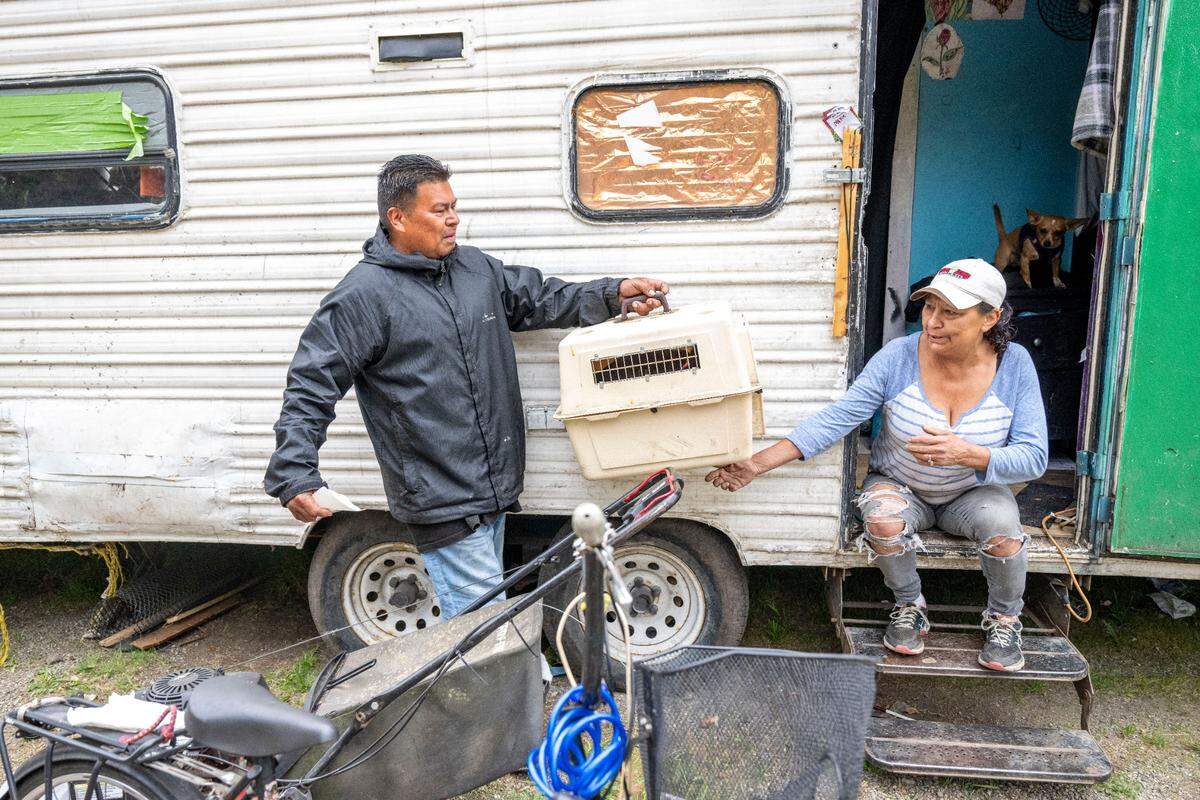
To get by, they’ve turned to vehicles for shelter, Lisa Zollner told me. The trailer is hers; she shares it with her cat, Tommy.
The truck is Michael’s. He used to have an RV, too, but it was recently towed, he said.
This wasn’t the first time they’d been told to leave.
“They just kept on hounding us, making us move, every time we get settled in,” Michael Zollner said. “They ended up towing my vehicle with everything in it. I couldn’t get it out because of the ridiculous price, and we’re homeless at that.”
“They just tell you, ‘You’ve gotta move, you’ve gotta move,’ ” he added. “They don’t give you any time, or anywhere else to go.”
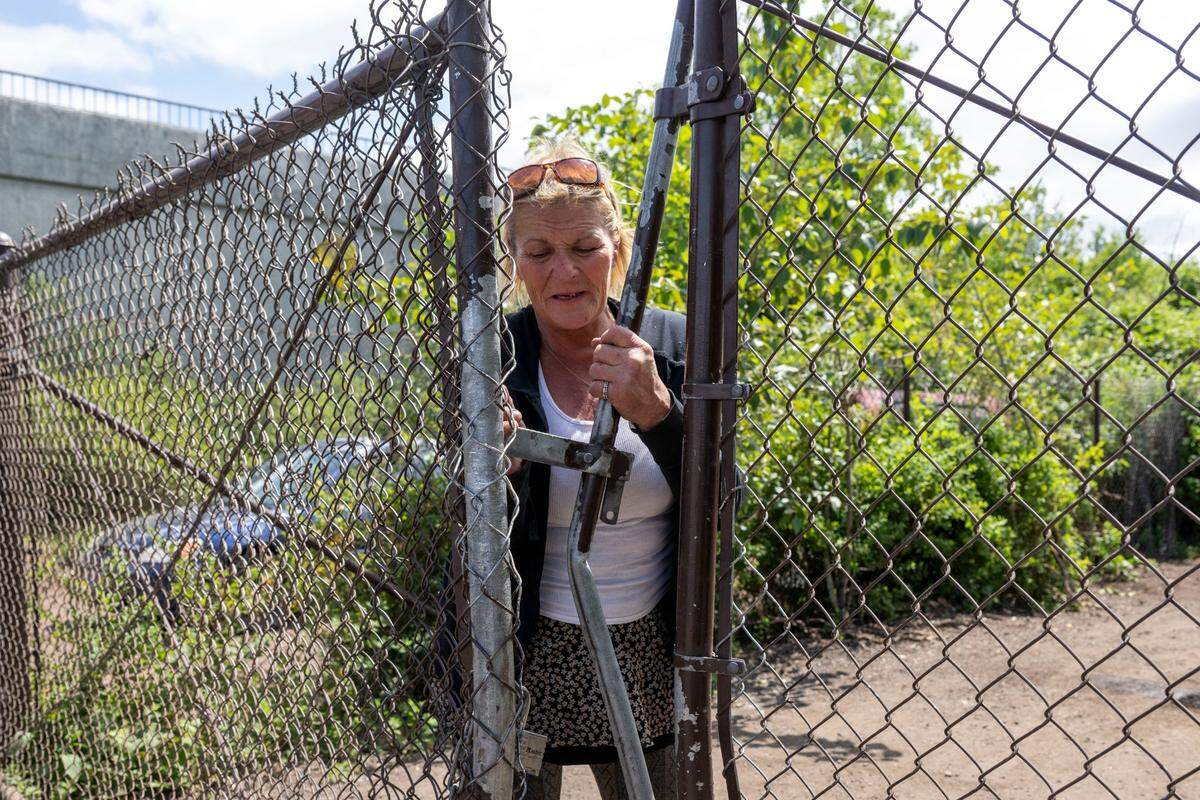
The location where Michael and Lisa Zollner were parked is now protected by a barbed-wire fence recently installed by the property owner, according to a city spokesperson.
On the day the encampment was cleared by law enforcement, Lisa Zollner told me she hoped to find a new place to park with her brother not far away.
Who lives in cars and RVs?
Vehicle residency is an area of research Pruss, who is a leading scholar in the field, comes by honestly.
As a teenager, he experienced homelessness, living under a bridge in San José, California. Growing up, he had family members who often traveled and stayed in RVs for long periods of time. During early adulthood, after becoming a young father, the 47-year-old relied on public assistance, he told me.
Pruss’ Seattle-based studies, conducted while earning a Ph.D. at the University of Washington, were inspired in part by his interactions as a bartender in Ballard with a cast of regulars who had long lived in a parking lot nearby, he said. Ultimately, he bought an RV of his own off Craigslist, engaging in first-person fieldwork. Pruss also helped to set up Seattle’s first safe-parking program back in 2011.
Over more than a decade documenting what he describes as a growing phenomenon, Pruss said, his research has revealed characteristics broadly shared by many of the people he’s met. They tend to live on fixed incomes. More often than not, they have a connection to the area they’re in. A large percentage are legally disabled. And they keep their homelessness hidden, for various reasons, typically avoiding traditional emergency shelters.
Some used their limited resources to acquire a vehicle or RV to avoid living on the street, or were given a vehicle by someone trying to help, Pruss said. Others held onto their car or trailer because it was the last shelter they owned when they became homeless, helping to explain the attachment they feel and their reluctance to give up their vehicle for the promise of a shelter bed or housing down the road.
Vehicle residents are often constrained, through the enforcement of local parking laws and other homeless-related policies, to small, out-of-the-way public spaces, such as industrial areas, Pruss said. Examples of such laws range from bans on public camping and vehicle habitation to 72-hour parking limits, similar to Tacoma’s. Most area RV parks are costly and prohibit older models of the vehicles, he added.
In June, Pruss published his King County-based findings in the Journal of the Society for Applied Anthropology.
As I detailed Ivory Kelly’s story, many of the specifics sounded familiar, he said.
“Using an anthropology term, I’m looking at nomads … and how people tend to be geographically tethered to a community where they live, often near the housing that they formerly occupied,” Pruss said when describing his research. “They use that vehicle as a way to maintain a connection with their local community, including their family, their friends, their work and medical systems, and to keep their children in local education.”
“Some of the people I’ve met had families and didn’t want to be separated by going into housing services. I’ve met people with felony backgrounds or even sexual-offender backgrounds who couldn’t go into certain services. There are people who had undocumented immigration status and were afraid to go to services. I’ve met people from LGBTQIA communities who felt that they were not included in certain services,” he continued.
“It’s this growing number of people who either don’t fit into the existing system or are becoming displaced into the streets. Often, it’s both, and they’re using their vehicle as long-term residency.”
Local data raises questions
Where Pruss sees a stark national increase in vehicle residency, Pierce County homeless service leaders paint a muddier picture, and one with few easy answers.
To an outside observer, the competing stats and strained comparisons can be difficult to make sense of.
According to Heather Moss, the director of Pierce County’s Human Services department, identifying 135 people living in vehicles in 2023 — which is roughly 6% of the county’s total homeless population — is a figure consistent with recent years. To her, the stability in the numbers shows that those relying on a car or RV for shelter make up only a small, relatively unchanged proportion of the county’s homeless population.
Moss maintained that there’s legitimacy in what the Point In Time numbers reveal, even as trend data from neighboring counties seems to contradict local findings. Vehicle homelessness represents a distinct subset of individuals living in a county with overwhelming needs across the spectrum, she said.
Moss acknowledged that there are unknowns to consider and significant challenges associated with trying to account for a population that, in many cases, isn’t trying to be found.
“The best data that we have is our Point In Time Count, and I acknowledge that it’s not a clear reflection of the totality of our homeless populations. But I don’t have any reason to believe it’s not a good indicator of proportions and trends,” Moss said.
“To the extent that we’re seeing a trend line around vehicle homelessness, it’s pretty stable in our PIT count, which leads me to believe that it’s stable,” she added.
“But I wouldn’t want to disagree with the law enforcement officers out on the street who might be seeing something different,” Moss said.
Pierce County lawmakers respond
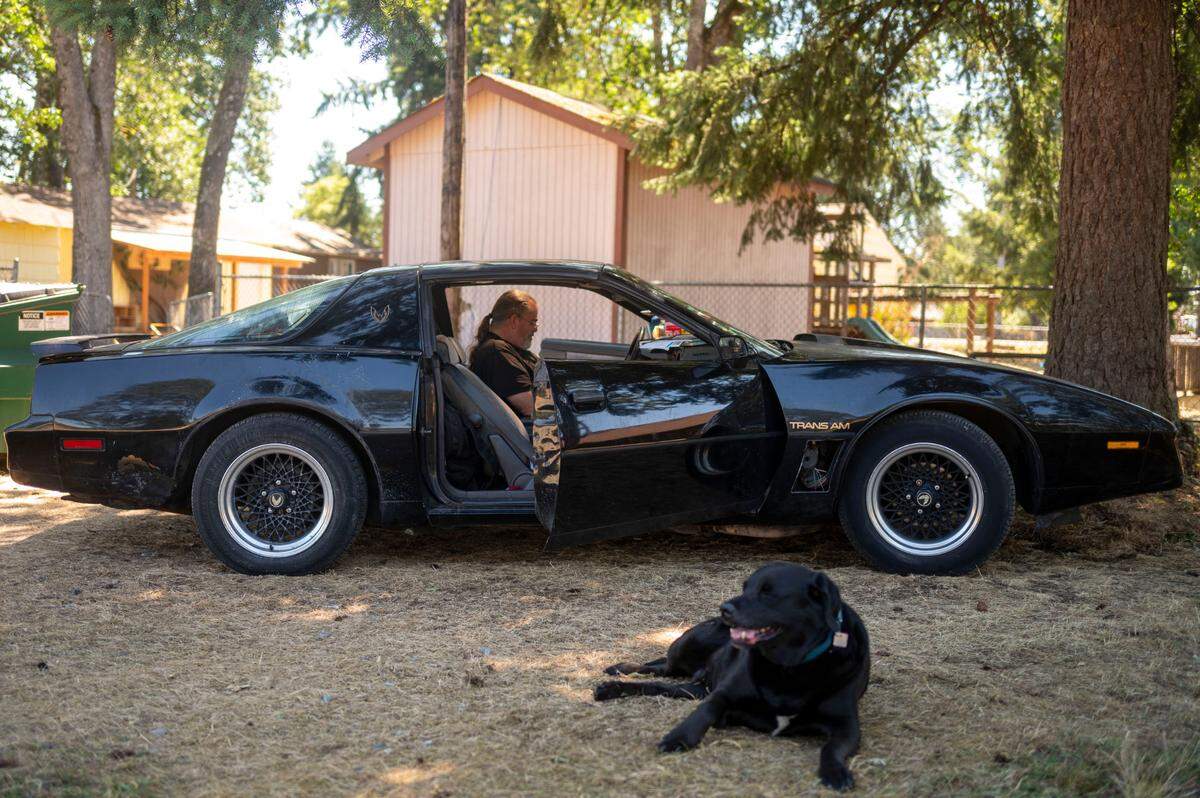
Even with Point In Time Count data suggesting growth in vehicle homelessness has been marginal, in recent years Pierce County lawmakers have identified the issue as a growing problem that demands a larger, more holistic response.
In Pierce County’s Comprehensive Plan to End Homelessness, which was adopted in 2022 and serves as a blueprint for the County’s system-wide response to the crisis, vehicle homelessness was specifically highlighted.
The county’s plan identifies the need to establish new options for those living in vehicles, including the creation and expansion of safe parking sites where people living in their vehicles can stay without the threat of harassment or being shooed away.
It’s not a new idea.
Beginning in 2020, a grant-funded effort led by the Metropolitan Development Council established a small network of safe-parking sites across the county. In 2021, Pierce County contracted with the local nonprofit Homeward Bound to continue funding the project.
Using area churches, the safe-parking network now includes five locations across Pierce County, including two in Tacoma, according to Paula Anderson, who oversees the program on behalf of Homeward Bound. Between them, there are roughly 35 parking spaces, she said. She expects a sixth safe-parking site to open soon.
According to Anderson, who also serves as executive director of New Hope Resource Center in Puyallup, Pierce County’s safe parking network is available to people who go through an intake process and pass a background check that screens for sex offenses and other violent crimes. A mobile shower facility regularly visits, there are on-site garbage services, and local providers work to connect clients to housing and other services, she indicated.
Anderson said Homeward Bound’s safe parking program — which will receive $427,226.63 in county funds between Jan. 1, 2022 and Dec. 31, 2023 for its work — has served roughly 300 people since October 2021. The lots are full every night, and there’s a lengthy waiting list just to get in, she indicated.
The specific locations of the safe parking sites aren’t publicized, she added, to prevent people from flocking to them.
In Tacoma, city leaders have also begun to recognize how many people are living in cars or RVs, often inhabiting side streets and industrial areas.
It would be impossible not to.
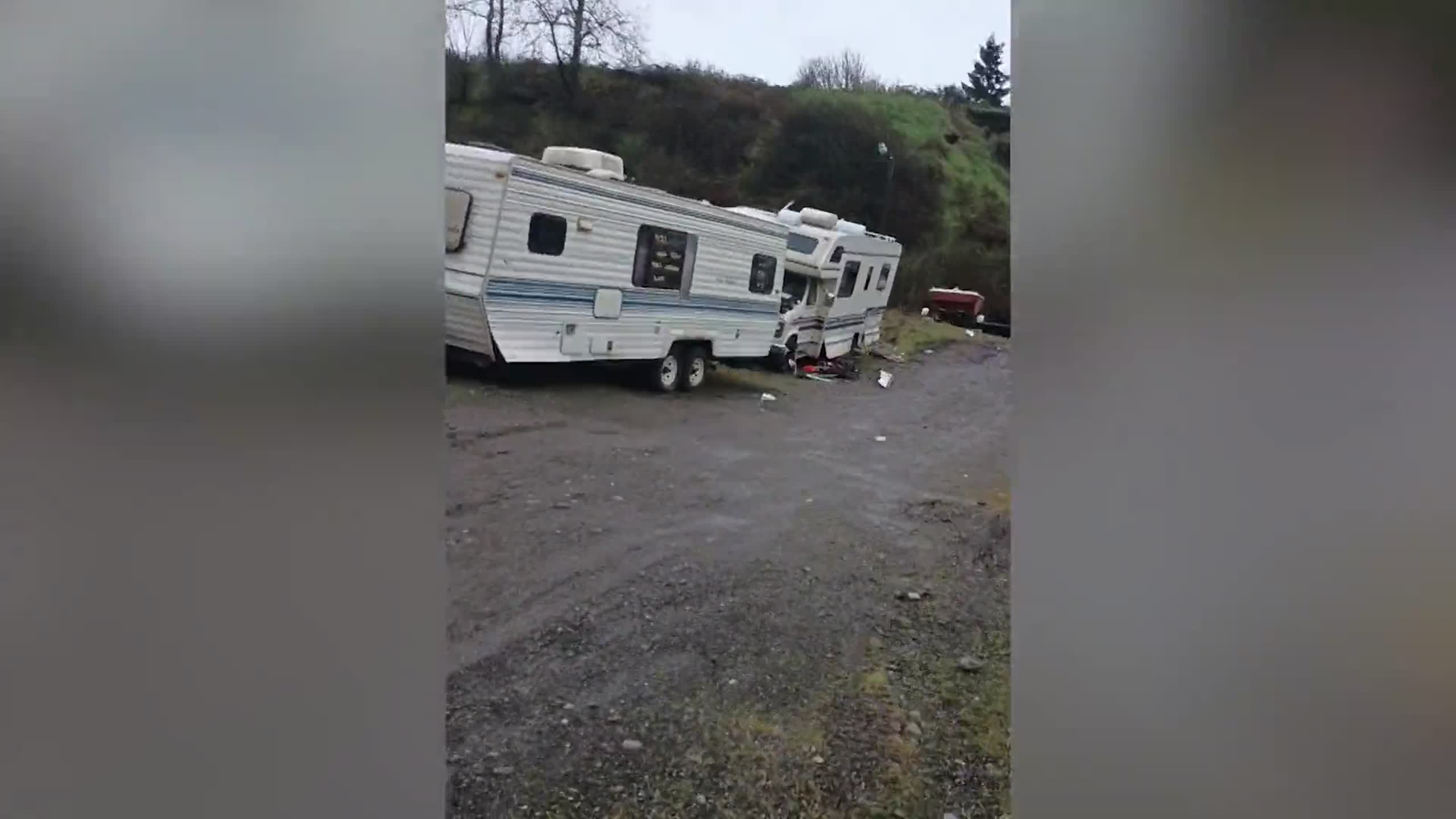
In South Tacoma, just beyond the Bates Technical College campus off Tacoma Mall Boulevard and South 72nd Street, The News Tribune counted more than 30 vehicles and RVs that appeared to be serving as a permanent shelter for someone during one day in June.
It might be a glaring example of a growing problem, but it’s not alone.
In April, Tacoma launched the first city-funded safe-parking site at Holy Rosary Church at 424 S. 30th Street. Contracting with Catholic Community Services, which provides round-the-clock staffing and on-site case management, the site provides 20 spots capable of serving up to 40 people at a time.
Through June, the relatively new program had served 36 people, with a nightly average of roughly 15 vehicles, according to Alan Brown, who runs the program for Catholic Community Services. Tacoma funded a year of safe-parking operations, which is expected to cost approximately $1 million.
In roughly three months of operation, Brown said that nine families had exited the site “successfully,” defined in this case as either a move to permanent housing or “a more comfortable shelter setting, like the tiny homes.”
The Holy Rosary safe-parking site is still in its infancy, Brown cautioned. But so far he’s encouraged by what he’s seen.
Nowhere for RVs
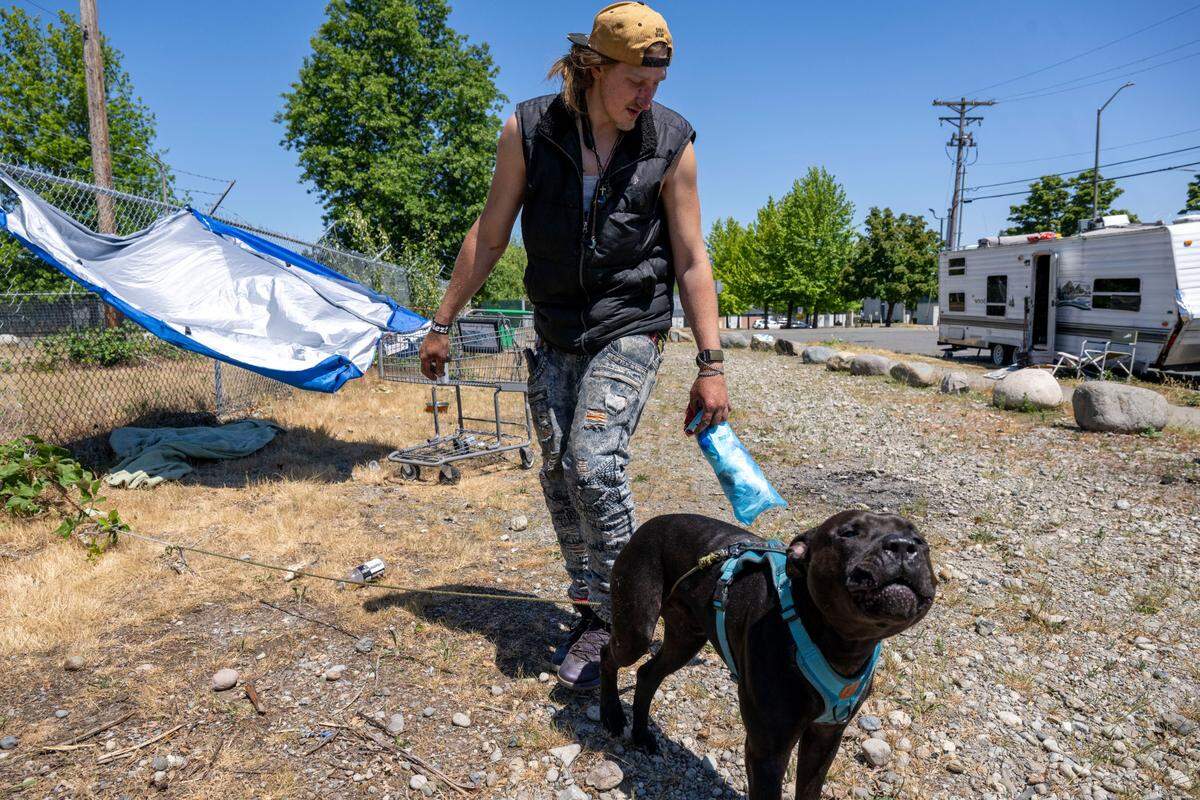
Safe-parking sites in Tacoma and Pierce County don’t serve those living in RVs — at least yet.
Anderson said that providing space for recreational vehicles is a whole different ball game. It’s one that requires providers to contend with issues like the discharge of gray and black water, increased liabilities and, in some cases, the cost of disposal if an RV is abandoned or becomes mechanically unfit to drive. It also presents additional health and human safety concerns, she said, like the inability to closely monitor people utilizing the service.
It’s challenging work. The city of Seattle recently announced plans for a safe parking site specifically for people living in RVs, which is expected to open in August and will require participants to agree to give up their vehicles and eventually move into permanent housing. A previous attempt to establish safe parking for RVs in Seattle fizzled after a slew of complications, including the death of three people at a SoDo location in 2018. Thurston County and the city of Olympia have also grappled with the issue, and the city of Bellevue has allocated funding for a similar project but has so far struggled to find an organization to operate it.
Asked whether Pierce County needs a wider array of safe parking options, Moss approached the question philosophically and with the candor of someone in charge of managing a budget:
“It’s a delicate position to take that we want to facilitate allowing someone or helping someone live in their car. I mean, that’s not habitable. It’s never been meant for someone to live in a car as their primary source of residence. I think there’s a little bit of a challenge with how much do we help someone sleep in their car when that’s not necessarily something that anybody would really choose to do,” Moss said. “Our preference … is always suggesting that individuals who are sleeping in their car would be better off going to a shelter.”
When it comes to providing safe parking for RVs, Moss noted the same challenges that are often cited: increased risk, increased liability, increased cost and a lack of available space.
Given the significant hurdles, Moss said, it comes down to a choice of how to allocate the county’s limited resources, with an end goal of serving as many people as possible.
“We don’t have enough resources to cover all the needs for all the populace … so we are constantly assessing where the next, most critical thing is that we need to put our next precious public dollar toward. We do not have any funding going towards RV-specific safe parking now,” Moss said.
“It is a problem, and I agree that there are more people living in RVs on the streets in Pierce County than we ever want to see,” she added. “We’re doing our best to address it.”
Caleb Carbone, Tacoma’s homeless strategy systems and service manager since February 2022, generally agrees.
In June, Carbone told The News Tribune that safe RV parking is a resource the city continues to actively explore at the Holy Rosary site, while also acknowledging the many challenges RVs present.
Brown, who runs the Holy Rosary safe parking site for Catholic Community, told me it’s a void the nonprofit would like to help fill someday. He described safe parking designed specifically for people living in RVs as “a significant unmet need in our system.”
“We do see a lot of RVs throughout the city, and one thing that we’re trying to understand is how people are getting access to RVs or how they’re using them, and then how do we distinguish their needs specifically,” Carbone said. “Just in general, there aren’t a lot of resources for individuals living in recreational vehicles across the city.”
“If you’re going to do safe parking with RVs, you have to have a lot of infrastructure needs,” Carbone added.
“We’re still doing a lot of assessment to understand that.”
The big picture
Anderson, like other local service providers, believes that the number of people surviving in RVs or other recreational vehicles is growing rapidly and deserves greater attention. She said well-managed safe-parking sites could be designed to effectively and safely serve that population, and sooner or later, we’ll have to come up with a better solution, she argued.
Anderson described safe parking sites for RVs as “something the county definitely needs.”
“I think that homelessness, including people living in cars and RVs, has snuck up on the general population and the general community, but I feel like those of us that are in the work, we were seeing it more and more, and our alarm bells have been going off for several years now,” Anderson said.
“I think there’s been an increase (in RV homelessness), because people are unable to afford to live,” she added.
According to Pruss, the director of the National Vehicle Residency Collective, there’s real value in what sanctioned safe-parking sites for vehicles and RVs are able to provide. He also believes they can be run safely and successfully, chalking bad experiences in Seattle up to poor planning and execution.
In the grand scheme, however, Pruss suggested safe parking is only the tip of the iceberg.
To fully address the growing problem, he argued, places like Tacoma and Pierce County must do much more than open up a few parking lots. In many cases, they need a completely new approach, he said.
All that’s standing in the way, Pruss told me, is how we traditionally view vehicle homelessness and the harm we inflict through policies and laws that do little more than make living in a car or RV more difficult.
“Rather than sort of insisting that (those living in cars and RVs) are wrong for doing so … I suggest that we meet them where they’re at and find ways to provide the infrastructure, the safe spaces and the resources necessary so that people can live healthy, productive lives in their private property, realizing that a person who owns an RV is using their private resources to solve a housing crisis,” Pruss said.
“Instead, we’ve seen communities that have responded to vehicle residency with much more criminalization and removal of access to public space, effectively banishing this growing number of people who are living in vehicles and are often displaced from the local community.”
This story was originally published July 27, 2023 at 5:00 AM.