Tacoma council takes step to assuage restaurants’ grease-trap concerns. Is it enough?
READ MORE
Grease trap rules vex Tacoma restaurant owners
Tacoma’s strict, expensive approach to a little-known environmental issue has led many in the local restaurant industry to wonder who the city really supports.
Expand All
Tacoma restaurant owners say the city’s rules on grease traps are costing them time and money, stifling development and discouraging culinary creativity. They want relief.
The City Council, in what it is calling a “first step,” has responded by approving the publication of a flyer meant to better educate prospective restaurateurs of existing regulations.
Under the new ordinance (No. 29015) adopted Jan. 28, commercial real-estate owners and brokers will be tasked with presenting the document to interested foodservice tenants before a property sale or lease signing. It will also be posted on the city’s website.
While grateful for the attention, some restaurant owners told The News Tribune the ordinance does little to address the core of their frustrations.
“I think it’s kind of silly because all it will do is tell people what they need without telling them how to solve the problem,” said Karen Stringer of Bajan Station, a mobile Caribbean food business based in Tacoma that is preparing to open a takeout-only kitchen this year. “Just informing people with a brochure, that’s just nonsense. It informs them, but what do you do now? If you don’t have the money, it’s useless.”
Manuscript and Dialogue owner Eda Johnson, who shared her grease-trap struggle with The News Tribune last fall, commented on an Instagram post from the law’s sponsor, citywide council member Olgy Diaz.
“Love to hear about this progress in the right direction, but also would love to see small businesses simply have more control over their business,” she wrote.
In a message to The News Tribune, Johnson added that the announcement about the flyer felt like a pat-on-the-back for a problem that remains unsolved.
It’s unclear how the flyer, which has yet to be created, will differ or expound upon what’s already available on the city’s website and permit hub. Spokesperson Maria Lee said this week that Environmental Services staff could not confirm a timeline for its completion or its plans for enforcement.
“Next steps will include the City’s Environmental Services Department evaluating the impact of this first step as well as other process improvements such as increased coordination with Tacoma-Pierce County Health Department,” she said in an email.
HOW WE GOT HERE WITH GREASE TRAPS
Diaz first introduced the flyer idea in a Dec. 17 study session. She described it as a “Step 1, so that we can look at some other holistic approaches” to reach Step 2 or 3, she told her colleagues.
She became interested in the topic of grease traps in March 2024 after attending an impromptu industry meeting spurred by the travails of Buddy’s Chicken and Waffles. That restaurant owner, Buddy Brown, had spent months waiting for city staff to approve a plumbing permit and his grease-trap setup, The News Tribune reported at the time. Diaz said she then began talking with other local restaurant owners, the Washington Hospitality Association and the Tacoma-Pierce County Chamber of Commerce.
“I just kept hearing, ‘I didn’t know what I didn’t know,’” she told The News Tribune in a phone call after the council OKed the ordinance.
She offered an example of a retail shop that wanted to serve tea. With this flyer in hand before signing a lease, she said, “They would have made different choices … they just would have asked different questions.”
The council action comes on the heels of reporting from The News Tribune last year that revealed a sense of exasperation within the local restaurant community around the city’s fats-oils-grease (FOG) prevention strategy.
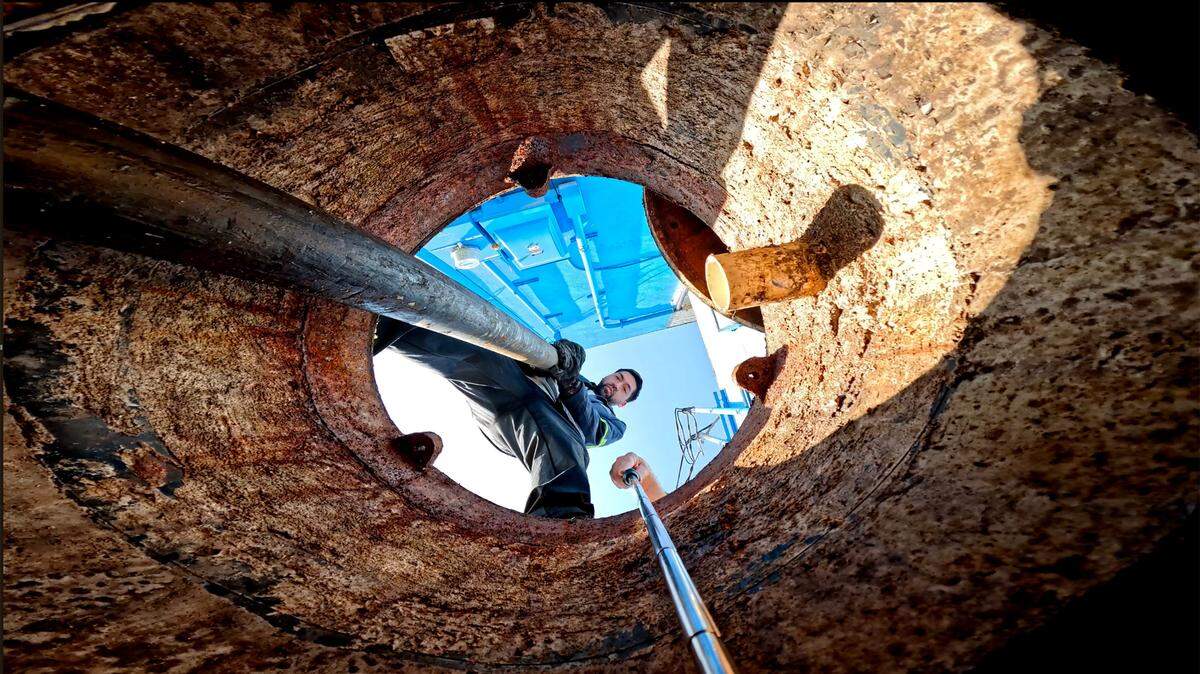
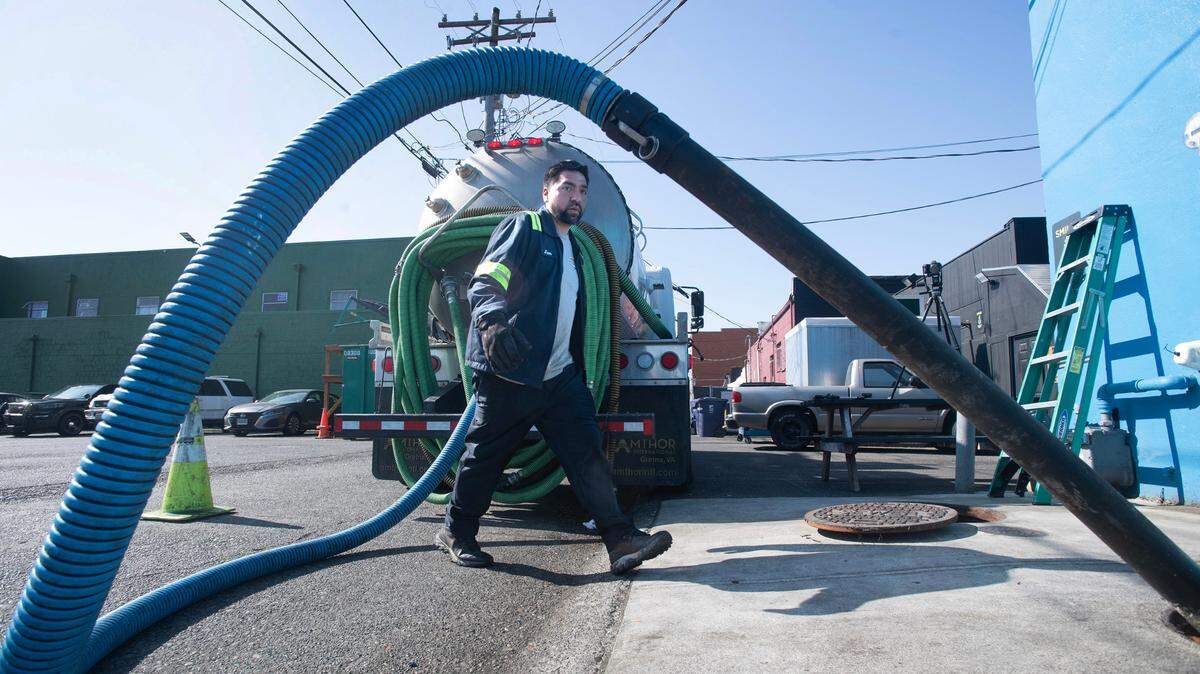
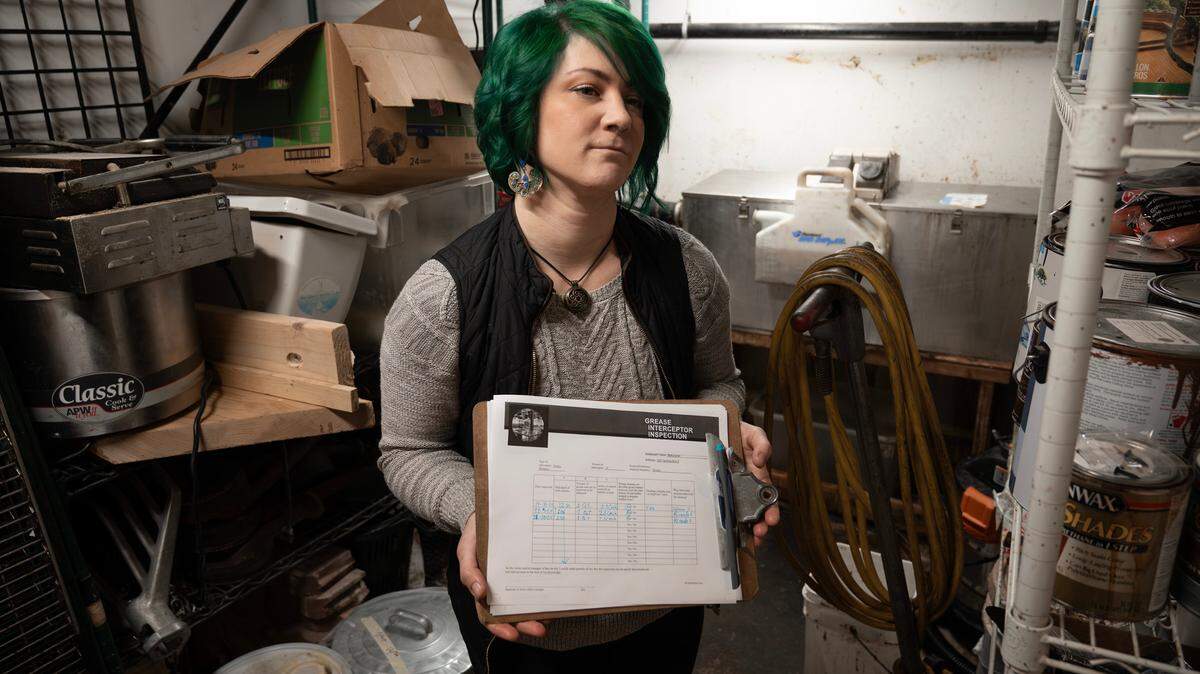
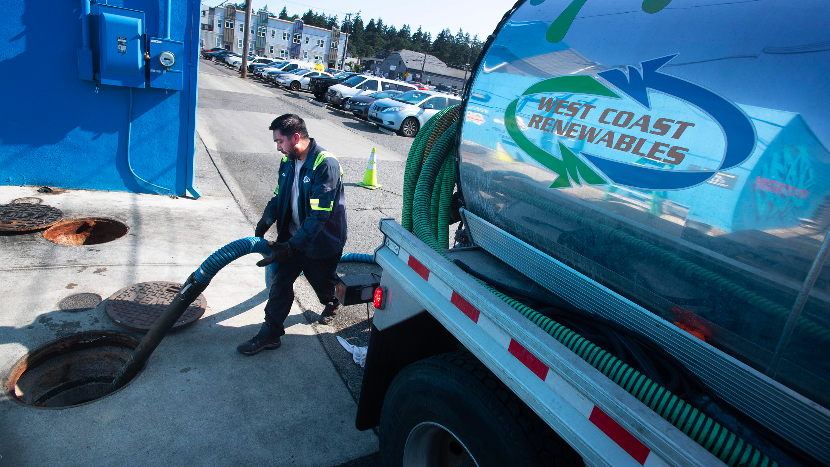
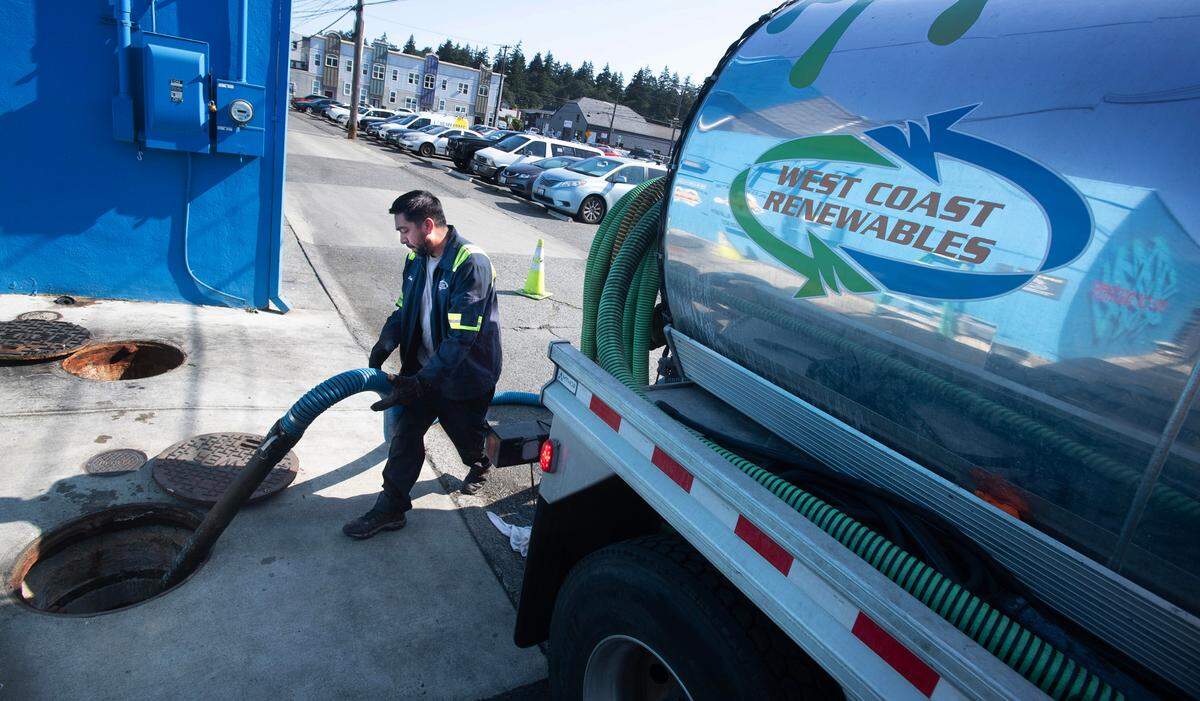
Local and state regulations generally require that restaurants have and regularly clean grease interceptors, which are necessary to capture fatty, oily droplets that trickle down drains before they flow into the public sewer system. Untamed FOG can coagulate and harden in pipes, causing blockages that can be harmful to both infrastructure and people. Municipalities across the country and around the world face FOG-caused blockages every year, but the data does not differentiate among restaurants, industrial sources like gas stations and residential buildings. Homes and apartment buildings rarely have a grease-protection device.
From 2018-2023, Tacoma tracked 98 total sewer blockages, attributing 16 to FOG, The News Tribune previously reported. Of those, five cited nearby foodservice as a suspected source.
The city’s Environmental Services department oversees more than 1,000 foodservice entities and inspects around 200 of them each year, the minimum rotation (every five years) required by the Environmental Protection Agency. The industry has grown wary of staff’s approach, which business owners and some experts see as a reliance on impractical and unnecessarily expensive upfront demands with limited follow-through.
WHY TARGET REAL ESTATE?
In conversations with The News Tribune last year, city staff contended that entrepreneurs are passionate but maybe overlook important details. Restaurant owners have wondered why they can’t use the more-affordable interceptors that many other jurisdictions allow, and that many businesses in Tacoma already have. Several coffee shops and wine bars have felt pressured into pricey upgrades that they might not have needed.
The flyer aims to pull all of the FOG-related information a business should know into one place, according to the city’s news release. It will also provide key contacts in the appropriate city departments, including Environmental Services and Planning and Development Services.
“This will help ‘daylight’ the grease interceptor issue before they commit to a financial agreement, and connect [them] with subject-matter experts at the city,” Diaz told her colleagues ahead of the Jan. 28 vote, comparing it to side-sewer materials for residential home sales. “This ordinance is an easy, first, win-win for businesses and our environment as we continue to work on the other outstanding barriers for small businesses that we’ve identified.”
Deputy Mayor Kiara Daniels and council member Joe Bushnell of District 5, where a Korean restaurant recently closed due in part to grease-trap troubles, co-sponsored the ordinance. Bushnell said before voting yes that he and every council member had heard from small businesses about challenges with grease traps and other permitting headaches.
“Restaurant owners should have all the facts before they select a location so that they know what they are getting into,” he said. Requiring this information to be shared during a real-estate transaction, he posited, would help entrepreneurs avoid “unknowns” like unexpected costs.
RESTAURANTS WISH FOR MORE
Sandesh Saldage, who was appointed to the late Catherine Ushka’s District 4 position last summer, called attention to the economic benefit of getting businesses open as fast as possible.
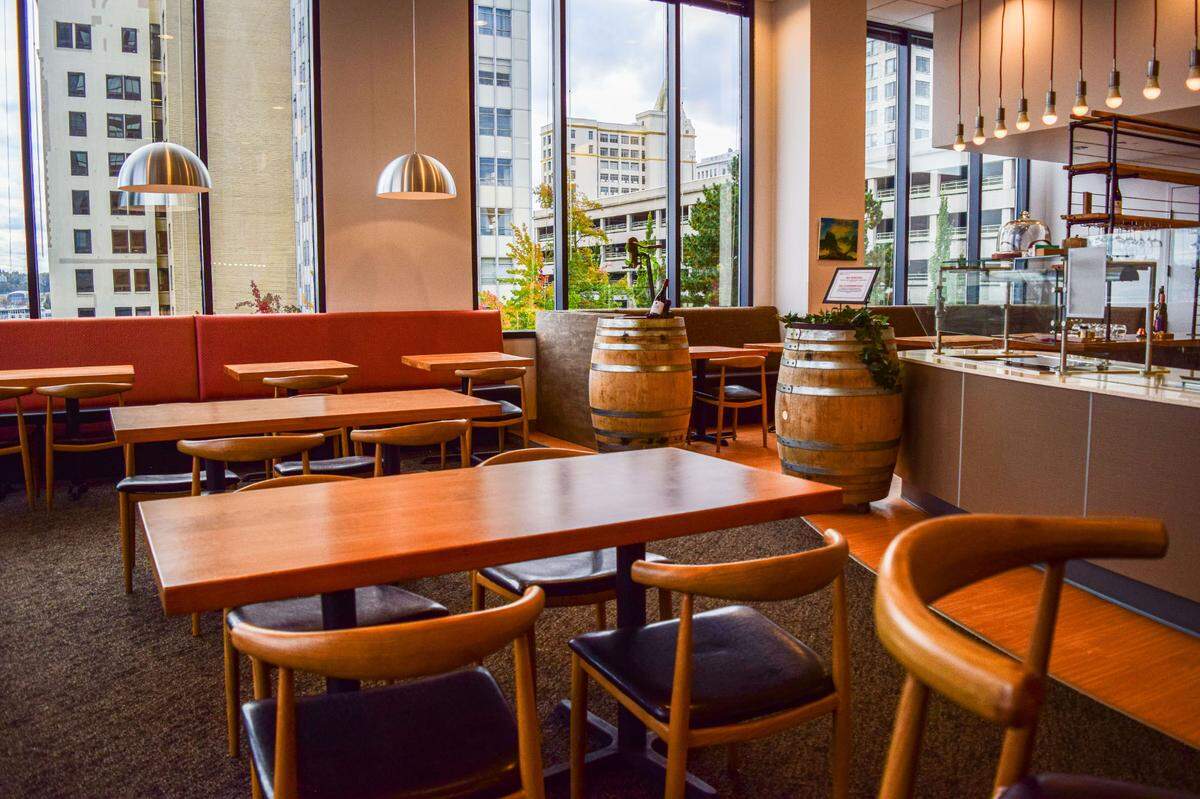
He also alluded to Stink Cheese and Meat, whose owners Jenny Smith and Steve Ramsay, both hospitality veterans, reopened their popular wine and sandwich bar in a new downtown location in November. Having this proposed flyer, he said, “would absolutely have helped with the anxiety they had with reopening.”
Smith told The News Tribune the former cafeteria inside 909 A St. already had a grease trap connected to the three-compartment sink. They ended up having to plumb in two additional, hydromechanical grease traps to the coffee bar and protein sink.
They spent $25,000, some of it on new refrigeration units required by the health department that she said will sit empty. The delay also cost them several weeks’ worth of revenue.
After reviewing the new ordinance, Smith agreed that more information is always better, but a flyer would not have sent them packing.
“Heightened awareness of grease-trap requirements would have given us leverage to negotiate better terms with our landlord (given the hefty monetary blow we were hit with), but I still don’t see the ordinance making it easier or better for restaurants to want to set up shop in Tacoma,” she said in a message.
This story was originally published February 7, 2025 at 5:00 AM.