
Some demand change. Cops want support. Can Tacoma do better after Manny Ellis’ death? | Opinion
READ MORE
Our 2024 Civic Agenda
The needs in Tacoma and Pierce County are sizable. The 2024 News Tribune Editorial Board’s Civic Agenda focuses on four timely and pressing concerns.
Expand All
Some demand change. Cops want support. Can Tacoma do better after Manny Ellis’ death? | Opinion
Tacoma kids see it all — from guns to Kia Boys. They told us what grownups miss | Opinion
Want to cut crime and make cities safer? Give ‘convicts’ a second chance. No, really | Opinion
Tacoma passed tough, divisive tenant protections. Now we have a golden opportunity | Opinion
Editor’s note: This is the final installment of The News Tribune Editorial Board’s 2024 Civic Agenda, published online as a four-part series between Jan. 29 and Feb. 2. For previously published installments of the 2024 Civic Agenda, click here.
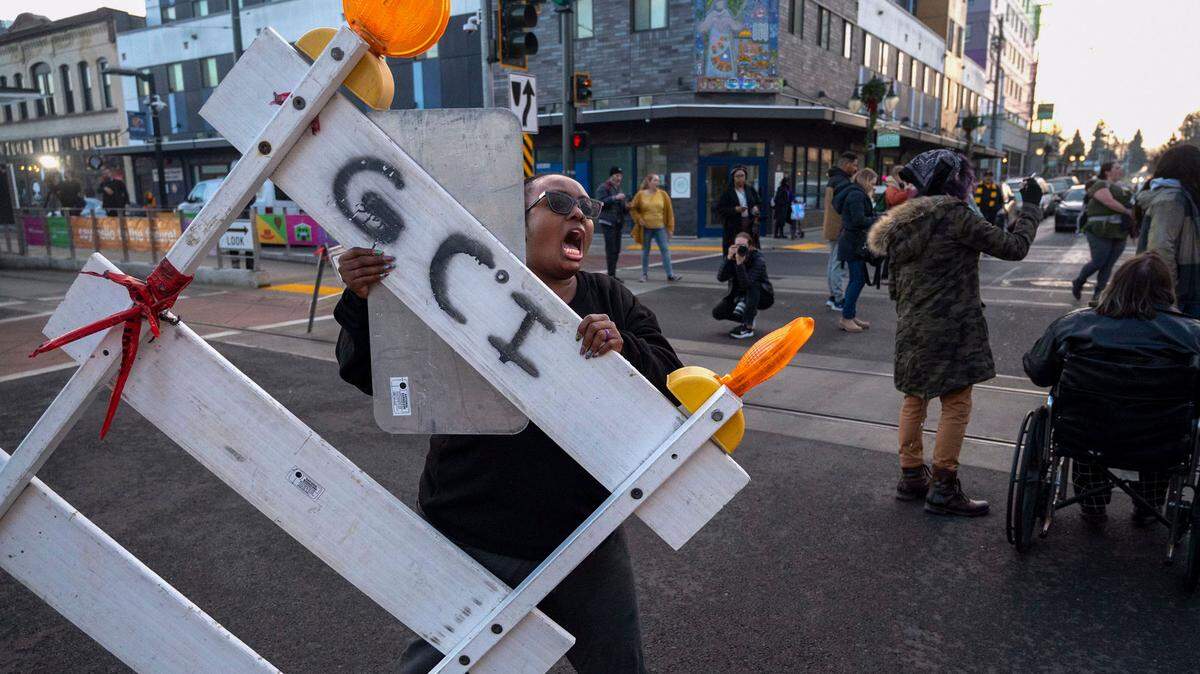
For some, the verdict brought closure. For others, it did not. It never could.
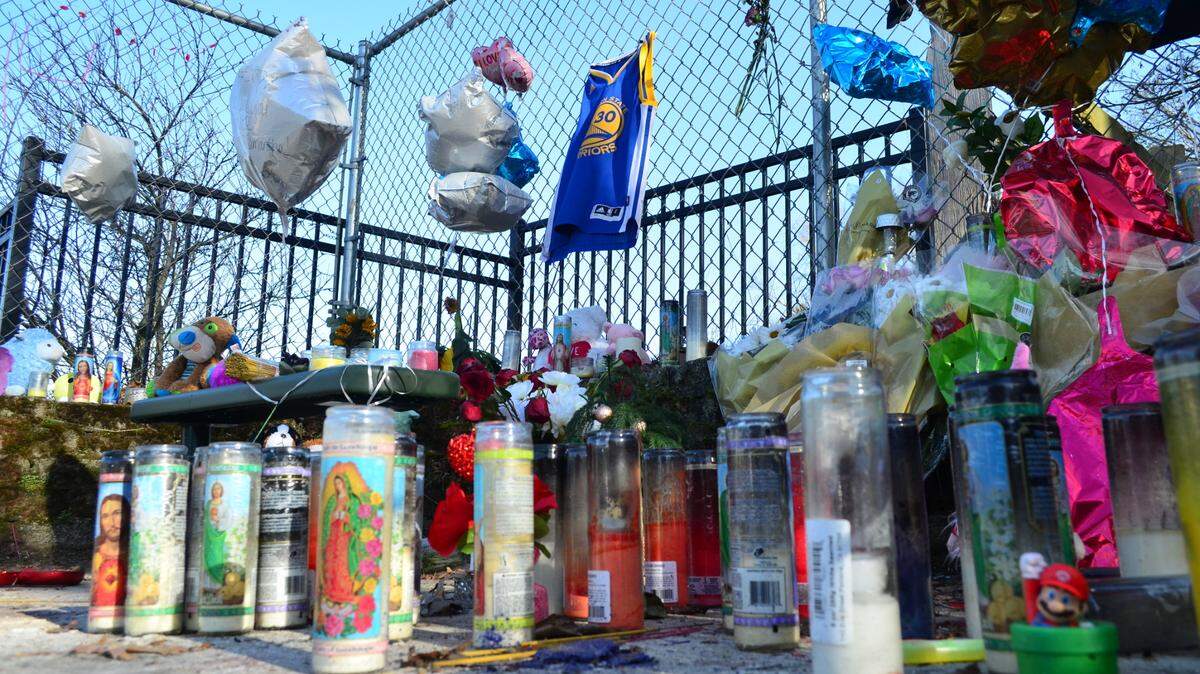
It’s been 1,431 days since Manuel Ellis died in the custody of the Tacoma police. It’s been 43 days since a jury acquitted three officers charged with killing the 33-year-old Black man, who was Tasered, handcuffed, hogtied and fitted with a spit hood prior to his death.
It’s been less than two weeks since a Tacoma Police Department internal affairs investigation cleared the officers — Matthew Collins, Christopher Burbank and Timothy Rankine — of wrongdoing, aside from a courtesy reprimand for using profanity.
All three officers had been on paid leave since shortly after Ellis’ death.
In the wake of TPD’s internal affairs investigation, all three reached settlements with the city, agreeing to leave the department voluntarily with $500,000 apiece.
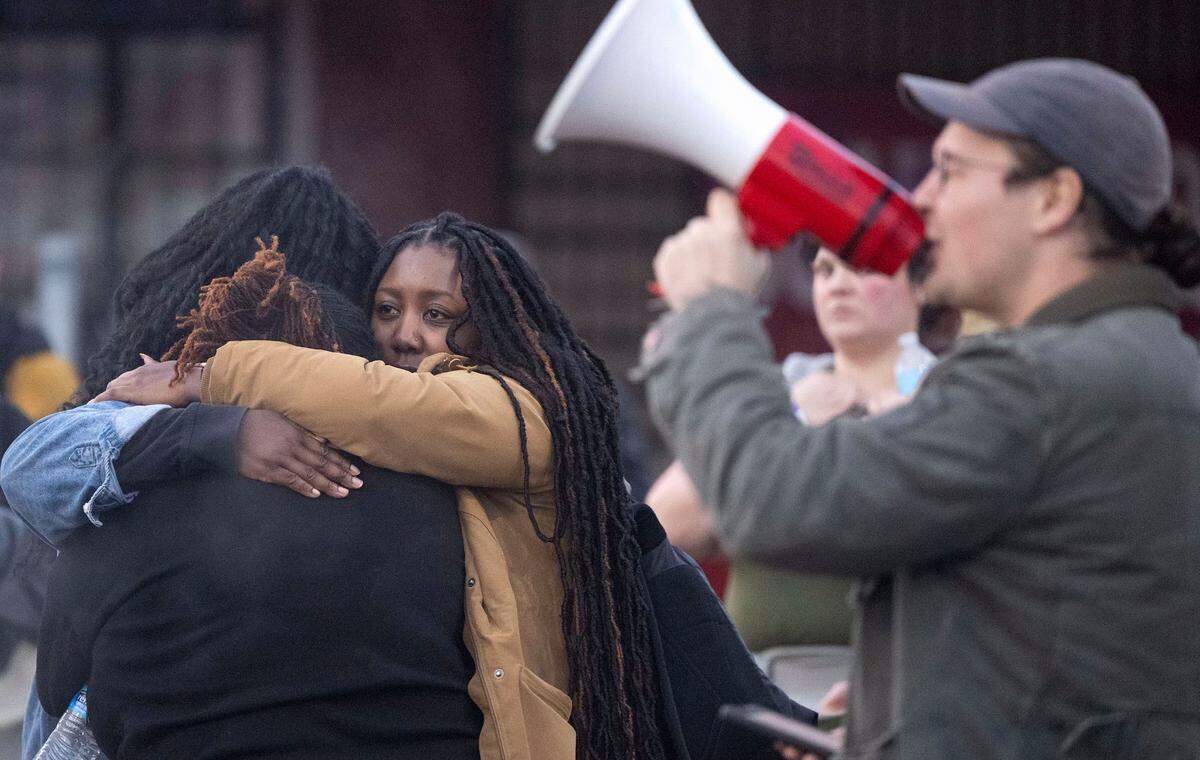
After nearly four years of pain, trauma, tumult and heartbreak, Tacoma remains as divided as ever.
Cops on the scene say Ellis was in a fit of drug-induced aggression when he died; they did their job, even if the outcome was devastating to his family, friends and sizable segments of the city.
Not everyone buys it.
The U.S. Justice Department is now reviewing evidence introduced at trial. If the probe reveals violations of federal criminal statutes, “the Justice Department will take appropriate action,” U.S. Attorney’s Office spokesperson Emily Langlie told The News Tribune.
For many in Tacoma, Ellis’ ultimate fate is inseparable from the larger realities of racism, local disenfranchisement and generational oppression.
For others, the reaction to Ellis’ death and the legal proceedings that acquitted three officers comes down to law and order, and a cut-and-dried proposition:
You either support the police, or you don’t, and functioning society depends on the former.
In the final installment of The News Tribune Editorial Board’s 2024 Civic Agenda, we’re asking the unavoidable question, as difficult as it is to answer:
How can Tacoma move forward, together, as a community, and make something meaningful out of Ellis’ death and the way it has reverberated across the city?
There’s nothing anyone can do to bring Ellis back or alter the events of March 3, 2020.
There are no words that can change the past.
At the same time, all of us have a role to play in what must come next.
We don’t have a choice.
The common ground
Of the many political divides The News Tribune Editorial Board encounters in its work, the partisan fracture over law enforcement — and progressive efforts to reform its documented failings, through mandated training, bans on unsafe techniques and outspoken calls for accountability — often feels the most insurmountable.
In recent years, the entire country has been consumed with alienating and counterproductive debates about the need to transform and reform law enforcement. In the process, we’ve gone to war with our neighbors, sparring over oft-twisted slogans like “defund the police” or “Black Lives Matter.”
There’s a good reason for the turmoil. Combining race, what many consider to be an almost patriotic value — unflinching respect for those who risk their lives to protect us — and the loss of human life at the hands of the criminal justice system is combustible, capable of triggering strong reactions for many.
Still, as a board, we intentionally decided to lead the final installment of our 2024 Civic Agenda with the one thing that keeps our hope smoldering as we embark on a new year.
When we talk to community leaders and elected officials from across Pierce County — no matter where they live or what political party they align with — there’s overwhelming agreement on several key points, all of which deserve to be underscored:
Nearly everyone wants local police to react professionally and effectively in times of crisis. When someone calls 911 — because there’s been a break-in, a car has been stolen or an assault has occurred — they want someone to pick up the phone, preferably on the first ring. If the situation warrants it, they want a highly trained law enforcement officer to respond promptly.
When people interact with a person wearing a badge, they want to be treated with respect, dignity and care — no matter who they are.
Most of all, people want local police to listen, take them seriously, be fair and unbiased.
Then they want cops to do what they’re supposed to do: Keep us safe and help solve our most critical problems during the worst moments life has to offer.
Similarly, the vast majority of community organizers and decision-makers we encounter also openly acknowledge the essential role police officers play in a healthy, thriving community — even if most could never truly understand the dangers and sacrifices that come with a career in law enforcement.
We’ll say it again, louder for those in back, because it’s just as important:
People want to hold the police in the highest regard because it’s what good cops deserve and something the job requires.
The challenge is getting everyone on the same page and creating meaningful change.
Particularly in an environment where tribalism is rampant and the stakes can too easily be life and death.
“Law enforcement is instructed to protect and serve. They swore an oath to protect and serve,” said Lyle Quasim, a longtime member of the Tacoma-Pierce County Black Collective and the inaugural director of Tacoma’s Safe Street campaign, a grassroots program known for partnering with the community and local police to combat rampant crime and violence in the late 1980s and ‘90s.
“That’s what everyone wants from the police,” Quasim told The News Tribune Editorial Board.
“Things unto the community belong to the community, and there is a bridge between those two things.”
.JPG "225287_LJ_ManuelEllisTrial_ (4).JPG")
A cop’s view of the divide
Bart Hayes, a Tacoma kid who spent more than two decades working for TPD, knows this city as well as anyone who has taken the oath.
From the time he was a child in the City of Destiny, Hayes, who is white, envisioned himself growing up to be a local cop, he said.
“I wanted to be a cop since I was probably 13, in Tacoma, because it’s the best agency around,” Hayes, who attended McCarver Elementary and what was then Jason Lee Middle school before graduating from the former Wilson High School, told the TNT Editorial Board.
“How many people get to do exactly what they wanted to do, where they wanted to do it, as a kid? Hardly anybody,” he added.
“I’m blessed. This is an amazing profession to be in. … My heart is with the police department, but I was born and raised in Tacoma.”
Hayes retired from TPD in 2021.
The following Monday, he reported to the Criminal Justice Training Center in Burien, where he still works.
Today, Hayes serves as an advanced training manager at an academy responsible for teaching new recruits the basics, including the reformed procedures, duty to intervene and de-escalation techniques outlined in Initiative 940, approved by the state Legislature and a vote of the people in 2018 and designed to reduce the unnecessary use of deadly force.
In the current climate, Hayes often jokes that he jumped from the frying pan into the fire — trading a job on the front lines of TPD for one that put him in charge of preparing the next generation of cops.
Speaking with conviction, Hayes shared his unique perspective on the challenges police officers face and the culture of law enforcement, including the forces trying to change it.
Hayes also recognized the palpable anger emanating from some segments of the community over what’s described as a history of excessive force and violence doled out by law enforcement, disproportionately inflicted on people of color.
Hayes doesn’t agree with the assessment of systemic bigotry among police, at least in Tacoma, he said. He described Ellis’ death as a tragedy involving officers who were ultimately cleared of all wrongdoing by an internal investigation and acquitted by a jury, no matter how bad some wanted “a pound of flesh.”
Hayes also takes issue with some of the pointed criticism, like the words recently shared by Tacoma Police Chief Avery Moore.
On the same day the city announced that Burbank, Collins and Rankine would voluntarily leave TPD, Moore released a statement describing what he called a long record of “acts of oppression, abuse, and dehumanization, all carried out under the color of law.”
Moore went on to issue a “personal and collective apology” on behalf of the department he leads.
Hayes doesn’t think that’s fair or accurate, drawing on his personal experience as a Tacoma cop.
As evidence, Hayes cited the city’s record of embracing community policing and outreach, like Project Peace, a program he eagerly participated in
Still, Hayes understands where the fury comes from, he said.
Police aren’t perfect. They’re human, Hayes noted, and there’s always room for improvement. Cops want structure and firm guideline. They want clear direction and expectations.
The de-escalation training he leads for aspiring cops might have been questioned and criticized at first, at least by some in law enforcement, Hayes said, but now the effort has been largely embraced.
It helps make police better, which is what they strive for anyway, he maintained.
“What (reformists and lawmakers) want and what we want, I think it’s the same thing. We want highly trained professional police officers. Who doesn’t want that? Find me a Tacoma cop and ask them, ‘Do you want to be a highly trained professional?’ Of course they do,” Hayes told The TNT Editorial Board.
“Every cop I know joined the force because they wanted to help,” he added.
“There’s been a really massive police reform effort, as far as training goes. … It’s a good thing. Now people are used to it.”
In a wide-ranging conversation with The TNT Editorial Board, Hayes was asked about human emotions, something we hear about a lot, mostly through tales of low morale among law enforcement and fed-up cops.
The toll the current political environment takes on his friends and law enforcement colleagues, many of whom have witnessed unspeakable horrors?
It’s a lot, said Hayes.
His personal list of on-the-job traumas include the infant with a slashed throat he encountered early in his career and the elderly, recently widowed man whose dog was shot by a drug dealer upset because it wouldn’t stop barking, he said.
All of it — including criticism from the general public — comes with the territory, Hayes noted.
None of that makes it easy, he argued.
“If you’re a cop and you signed up to be appreciated by everybody all the time, you’re in the wrong line of work. You better find something else to do,” Hayes said. “The flip side of that is, ‘OK, you look at me in a Tacoma police uniform and you think of something you saw on social media 1,000 miles away, done by someone else in a police uniform, and somehow you blame me for that – or attribute that to me?”
“That’s what gets a lot of officers sideways, I think,” Hayes continued. “They say, ‘He’s a cop. You’re a cop. You’re both racist murderers.’”
“I’m not saying we need sympathy. We all signed up to do this. But it still affects you. We’re not robots.”
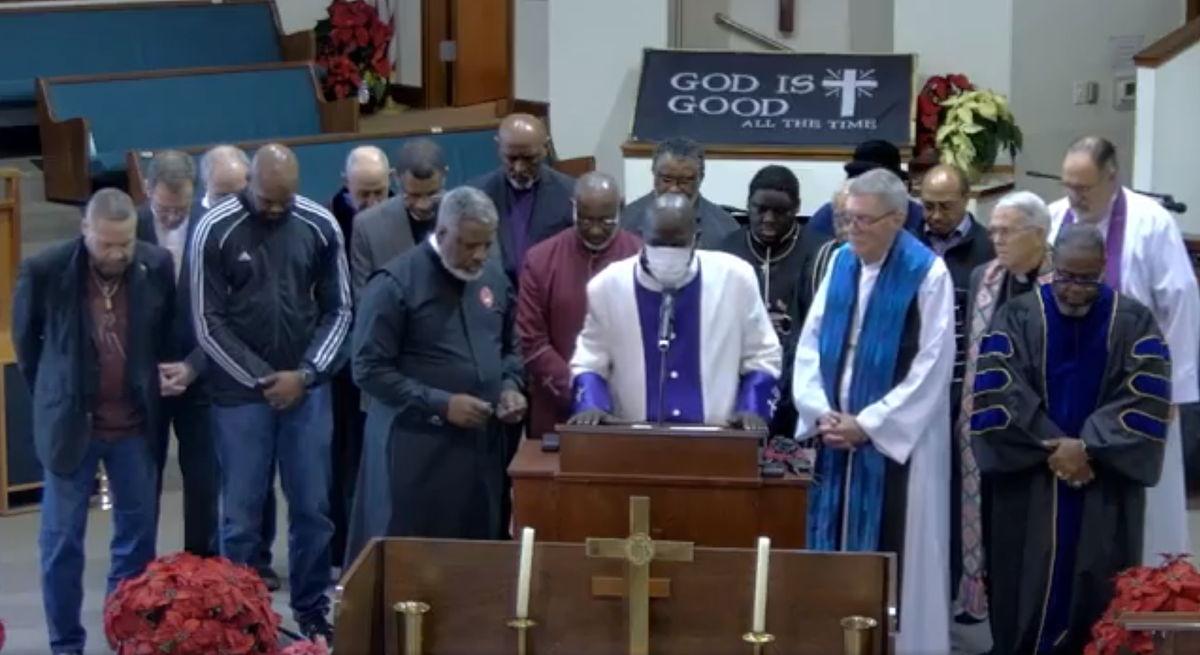
The other side of the debate
Kiara Daniels is a Tacoma kid, too. Like Hayes, she grew up here, graduating from Tacoma School of the Arts in 2007. Today, she lives in the Hilltop and Central Tacoma area.
Daniels, who is Black, has always wanted to serve the community that helped raise her, she said.
That’s another thing she has in common with Hayes.
It’s why Daniels ran for Tacoma City Council in 2021, she said.
Her elected term is half over now. When she joined the council, it had already been nearly two years since Ellis’ death.
According to Daniels, the sticking point for many is hard to overlook, at least when listening to Tacoma police officers suggest it’s other departments that need to change.
Ellis died here. An untold number of Black and brown people have had bad and violent experiences with the police over the years, she said. Their stories are real.
Or, as Quasim put it when speaking to the TNT Board:
Regardless of the jury’s verdict in Ellis’ death, “no serious person can look at what happened (to Ellis) say that’s the way police should conduct themselves.”
“No reasonable person can say that’s how it should work,” he told us.
For all the common ground in the debate over police reform and accountability, Daniels’ and Quasim’s perspective helps to map the daunting chasm that remains.
Everyone might want the same thing from the police, but meaningful change requires everyone to acknowledge and face the same problem.
“I want our officers to come to work and have a good experience. I know they do difficult work, and I want them to feel supported. I want them to feel like they have the tools necessary to do their job, and I want them to feel like they work in a city that knows they are necessary and holds them in really high regard,” Daniels told The TNT Editorial Board.
“With that comes responsibility,” she added.
“I want every person in Tacoma, particularly people of color and folks that have been disproportionately impacted by policing and the criminal justice system, to feel like they’re getting the same return on investment.”
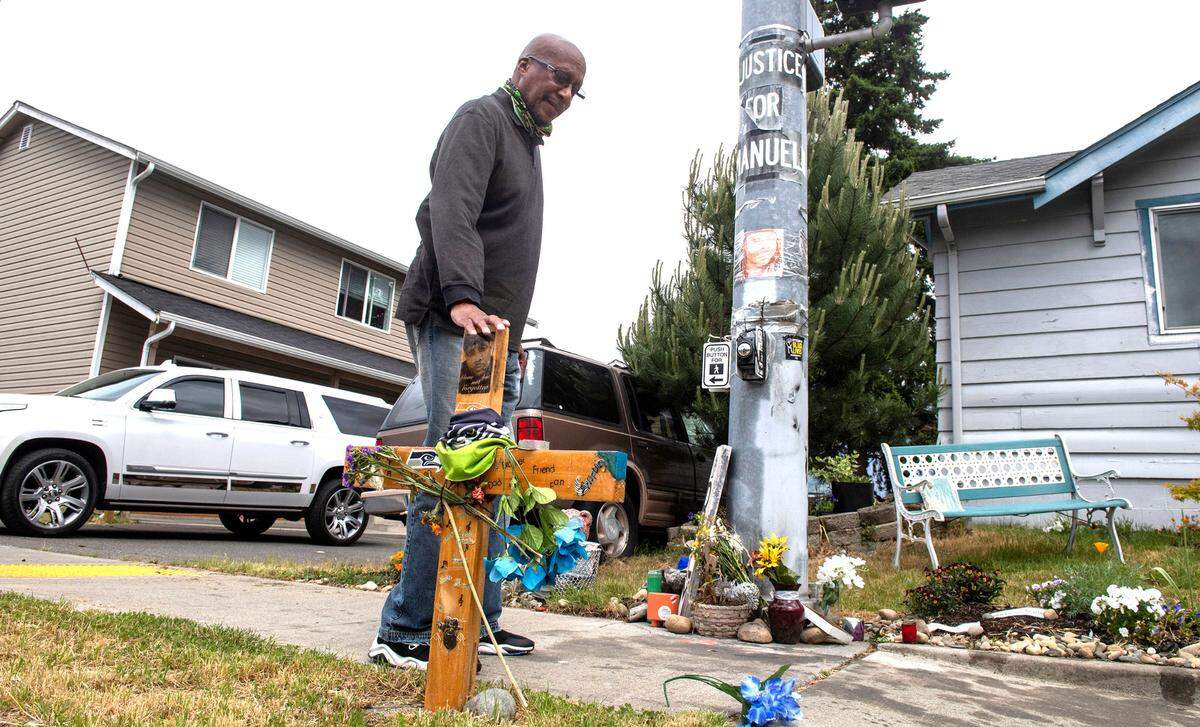
The road ahead
Earlier this year, Jamika Scott joined Daniels on the City Council dais. She’s known for speaking from the heart and not pulling her punches.
Scott, who is Black, is a long-time grassroots community organizer who rose to prominence as a co-founder of the Tacoma Action Collective. A vocal critic of the excessive use of force by local law enforcement, she’s emerged as a strong and respected proponent of long-overdue police reform.
Last November, voters in Tacoma’s District 3, which includes Hilltop, Central Tacoma and parts of South Tacoma, elected Scott by a comfortable margin.
There was a time, Scott told The News Tribune Editorial Board, when she wanted to be a cop; she thought she’d make a good detective, she said.
A bad experience with a local officer helped change that, Scott told us.
Nonetheless, she described herself as “an eternal optimist,” firm in the belief that Tacoma can have the police force it deserves.
Everyone will have to give a little bit, Scott believes. Change won’t come overnight, and it won’t be easy.
To move Tacoma forward, the onus is on all of us — but it starts with police, she believes.
“It’s not that hard for me to see both sides of a situation. It’s not hard for me to put myself in somebody else’s shoes. Honestly, I’m not surprised when I hear like there’s a lack of morale and resentment among police,” Scott said.
“Rebuilding trust is hard. If this is what police want — the images of policing where everybody’s happy, and your favorite neighborhood policeman is strolling down the street — you have to put the work in and put that intention out there,” Scott added.
“It might not take as long as we think if people are ready to come to the table. If everybody is ready for this fight to be over, we have to sit down and talk it out.”
It’s the tall task that Tacoma — and so many other communities — have no choice but to confront head-on.
Quasim said it will require negotiations held on equal footing and “facilitated, consequential dialogue.”
Hayes believes it will take recommitting to the tenets of community policing, allowing officers to have a say in the policies and reforms that impact their work and neighborhood-to-neighborhood outreach.
Scott told us progress depends on sincere, transparent police accountability and leaning in.
Daniels said progress starts with an honest assessment of where things stand.
It’s our challenge for 2024 and beyond.
It’s also the call to action we issue to close our 2024 Civic Agenda.
“We’re not just trying to put back together a community that has been fragmented from one event. This is decades of not being on the same page,” Daniels told us.
“Right now is not looking good, but I’m willing to do the work,” she added.
“I truly don’t know how we’re gonna get there if we don’t start working together.”
This story was originally published February 2, 2024 at 5:00 AM.