Tased, bound and cuffed: How Tacoma police restrained Manuel Ellis — and led to his death
READ MORE
The police death of Manuel Ellis
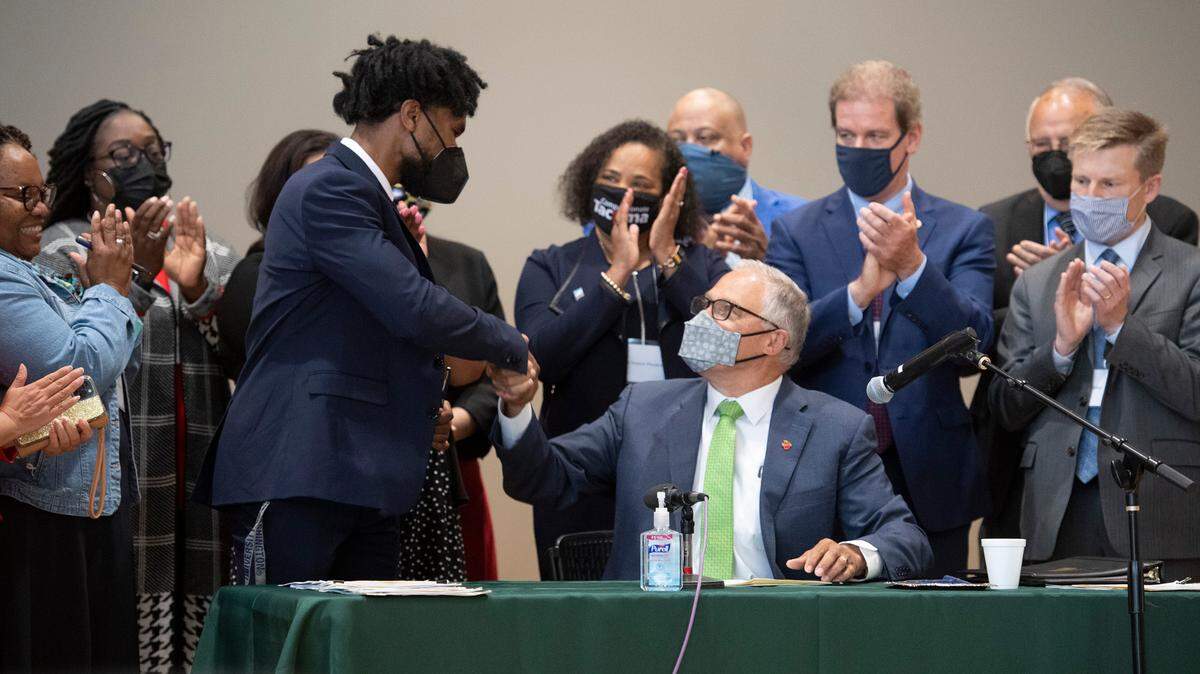
More than a year after Manuel Ellis died in police custody, the attorney general charged three officers in his death.
Expand All
Within two minutes of encountering Tacoma police, Manuel Ellis was dying.
That’s one of the details to emerge from police dispatch records and an autopsy report on Ellis’ death reviewed by The News Tribune.
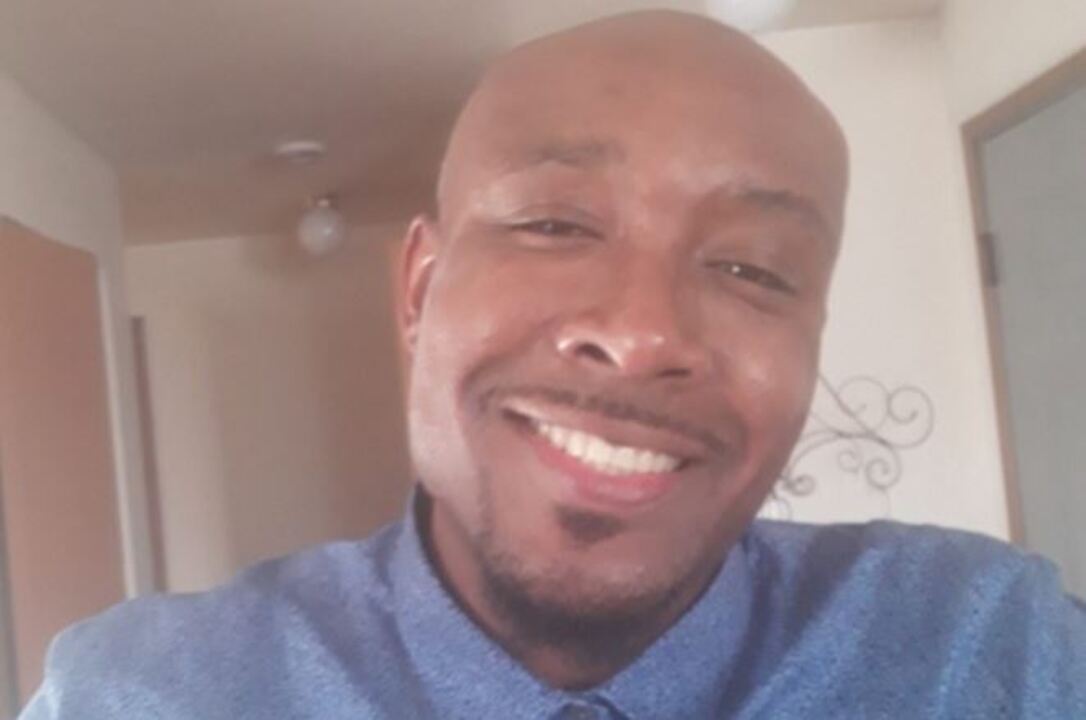
His death sparked outrage after the public learned the 33-year-old black man was, according to medical examiners, killed by how officers restrained him during a March 3 encounter, during which he at one point cried out, “Can’t breathe.”
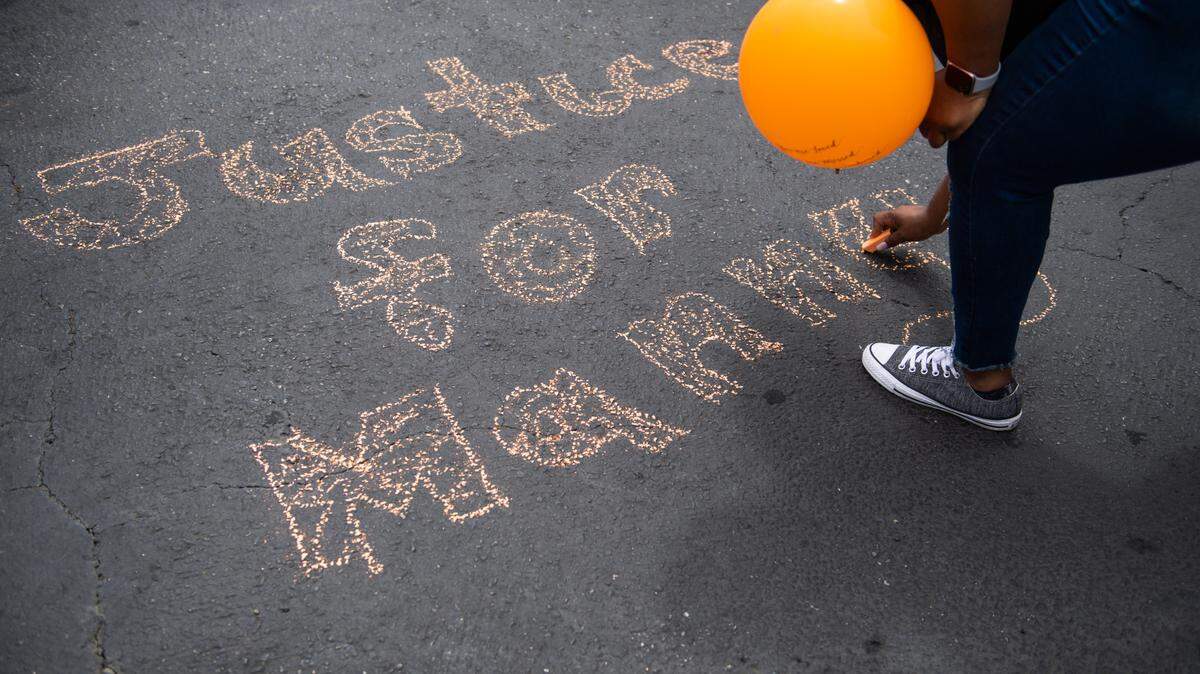
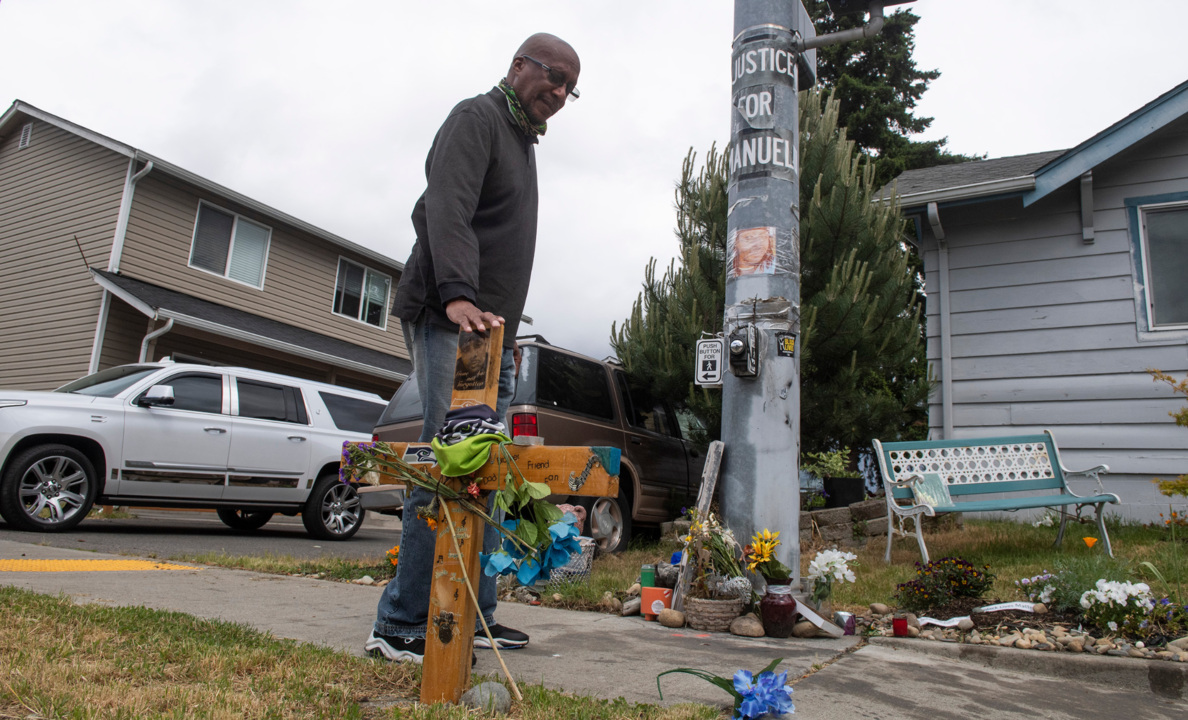
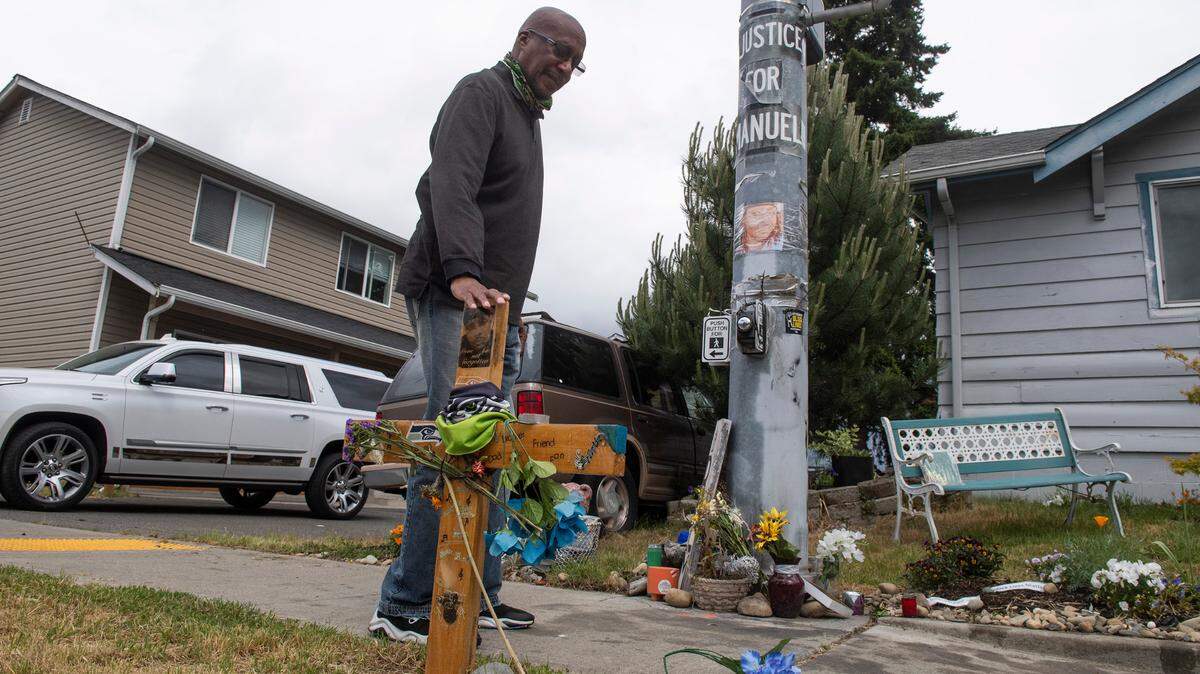
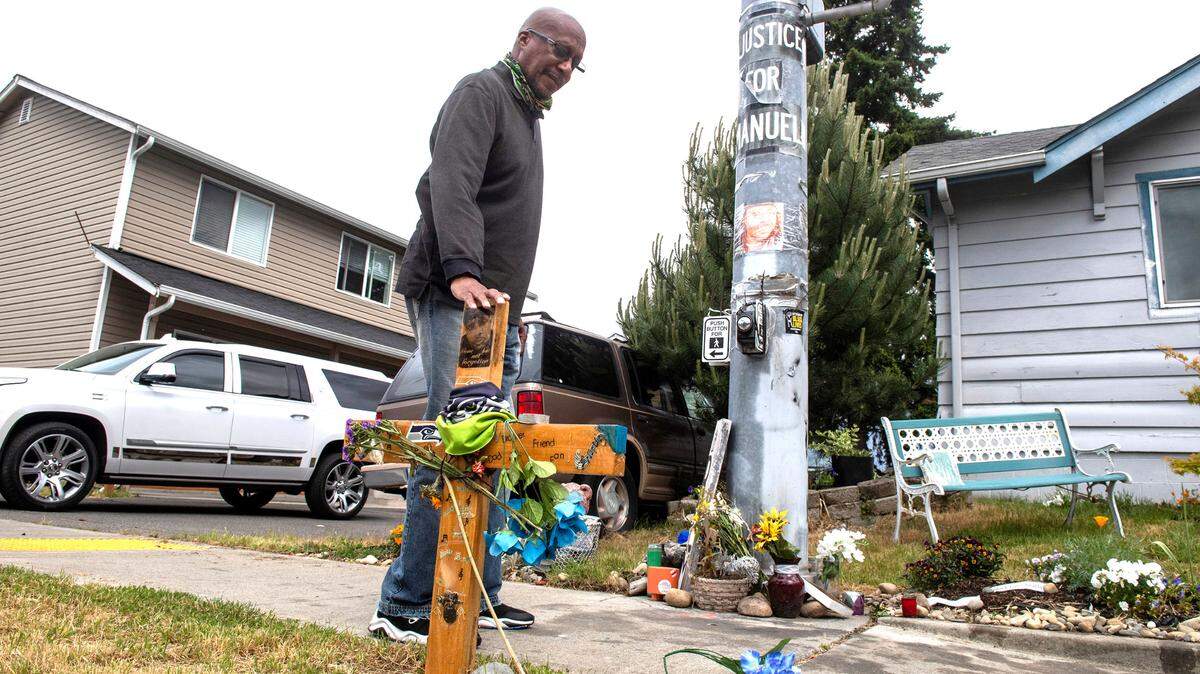
Ellis’ family demanded an independent investigation and was granted a review by state officials. Mayor Victoria Woodards has called for the firing and prosecution of four officers involved. Protesters chant Ellis’ name and carry signs demanding justice on his behalf.
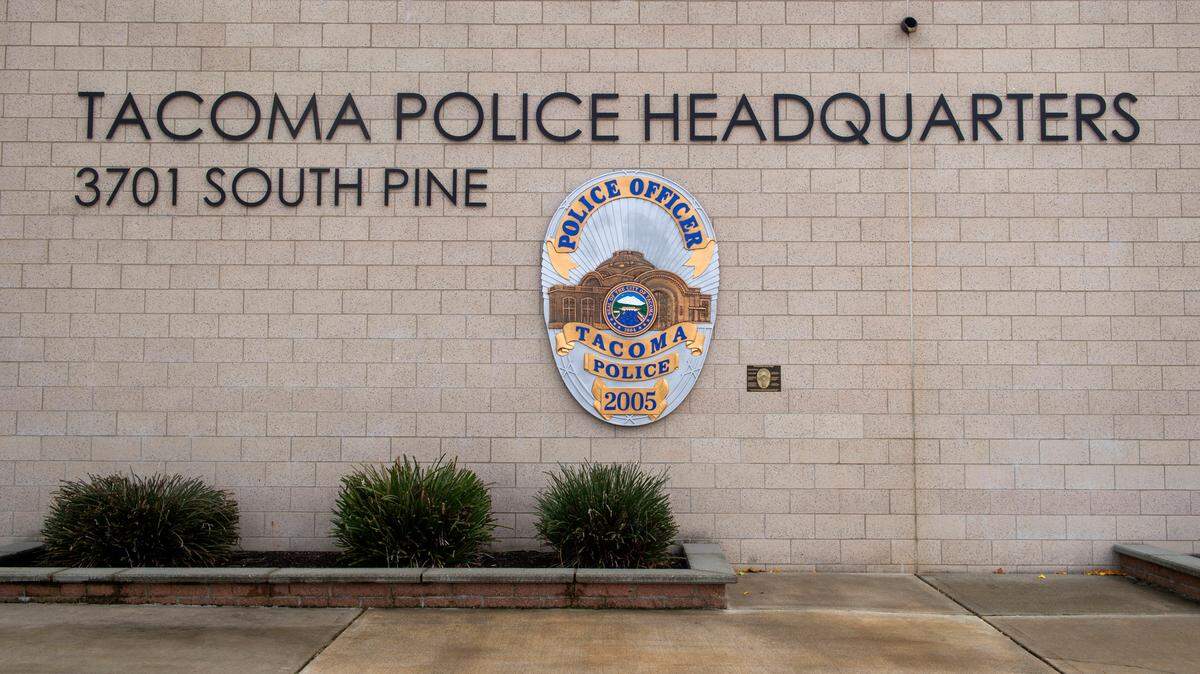
The union representing Tacoma’s rank-and-file police officers has asked that judgment be reserved until investigations into Ellis’ death are completed.
In a statement Monday, the union said:
“Locally, we also know that many of you have significant interest and questions about the death of Mr. Ellis while in Tacoma police custody in March 2020. Know that our Union is fully committed to a thorough and transparent outside investigation by the Pierce County Sheriff’s Department and the Pierce County Prosecutor’s Office. Central to those independent investigations is the need for those investigations to be free from interference.”
This week, the Sheriff’s Department and medical examiners are expected to present the case to prosecutors.
The News Tribune used computer-aided dispatch logs, the 14-page autopsy report provided by Ellis’ family and two video clips from a witness to piece together the last minutes Ellis was alive.
The corner of 96th and Ainsworth
It started at 11:21 p.m. on the corner of 96th Street South and Ainsworth Avenue South.
That’s when Ellis pounded on a Tacoma patrol car “for no apparent reason,” according to the Medical Examiner’s postmortem examination report.
Investigators have said Ellis threw one of two officers inside the patrol car to the ground when the officer got out.
One of the officers deployed a Taser gun, striking Ellis in the chest.
Then the three begin to struggle.
At 11:22 p.m., one of the officers’ radio microphones activated, but dispatchers couldn’t decipher the sounds they heard.
Seconds later, backup units were called to the scene as officers continued to struggle with Ellis.
‘Looks so scary’
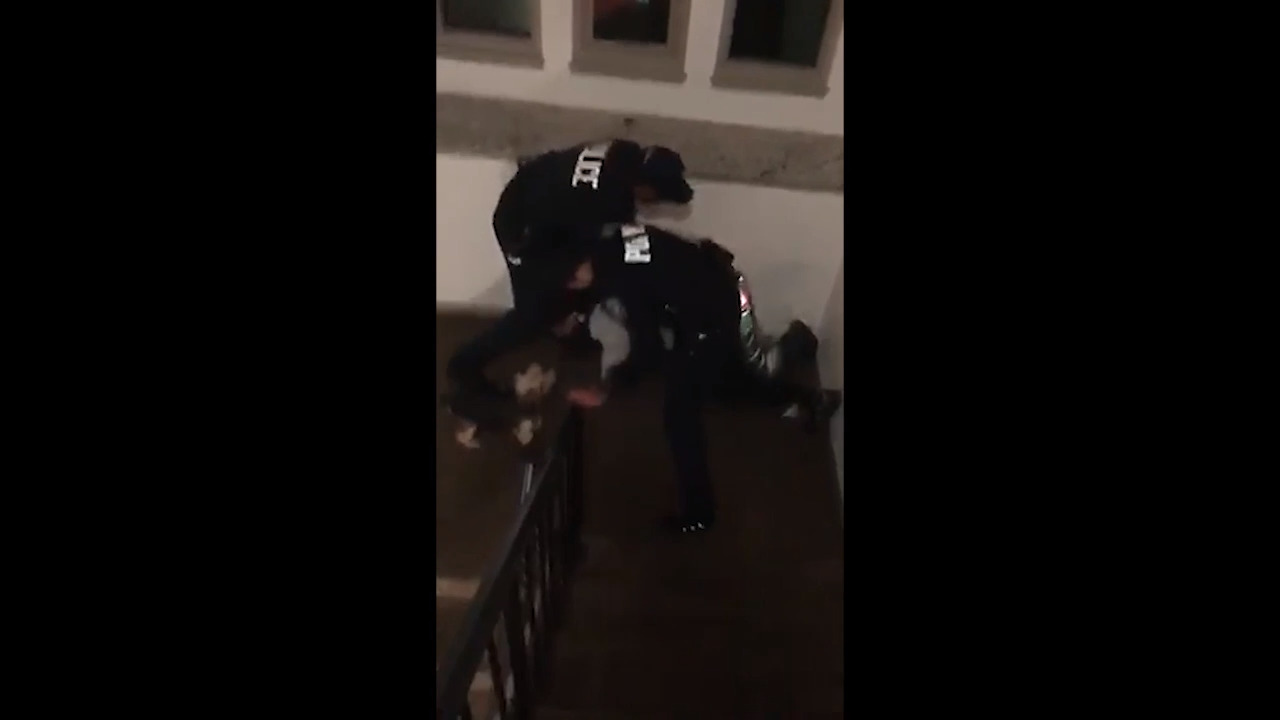
In a video clip taken by passerby Sara McDowell, the officers can be seen punching Ellis after he falls to the ground.
“Hey! Stop! Oh my God, stop hitting him. Just arrest him. Just arrest him. Oh my God, that looks so scary,” McDowell yells on the recording.
She told The New York Times that when Ellis approached the police car, an officer, unprovoked, opened the car door and knocked Ellis down.
“I was terrified for his life, honestly,” McDowell told The New York Times. “The way that they attacked him didn’t make sense to me. I went home and was sick to my stomach.”
At 11:23 p.m., two minutes after the encounter began, Ellis says, “Can’t breathe,” which can be heard in a police radio recording and is noted in the Medical Examiner’s report.
Those are the same words George Floyd, a black man who died in Minneapolis May 25 after a white police officer pressed a knee into his neck for nearly nine minutes, can be heard saying on a video that rocked the nation and inspired ongoing protests.
A minute later, the two officers restrain Ellis on the ground.
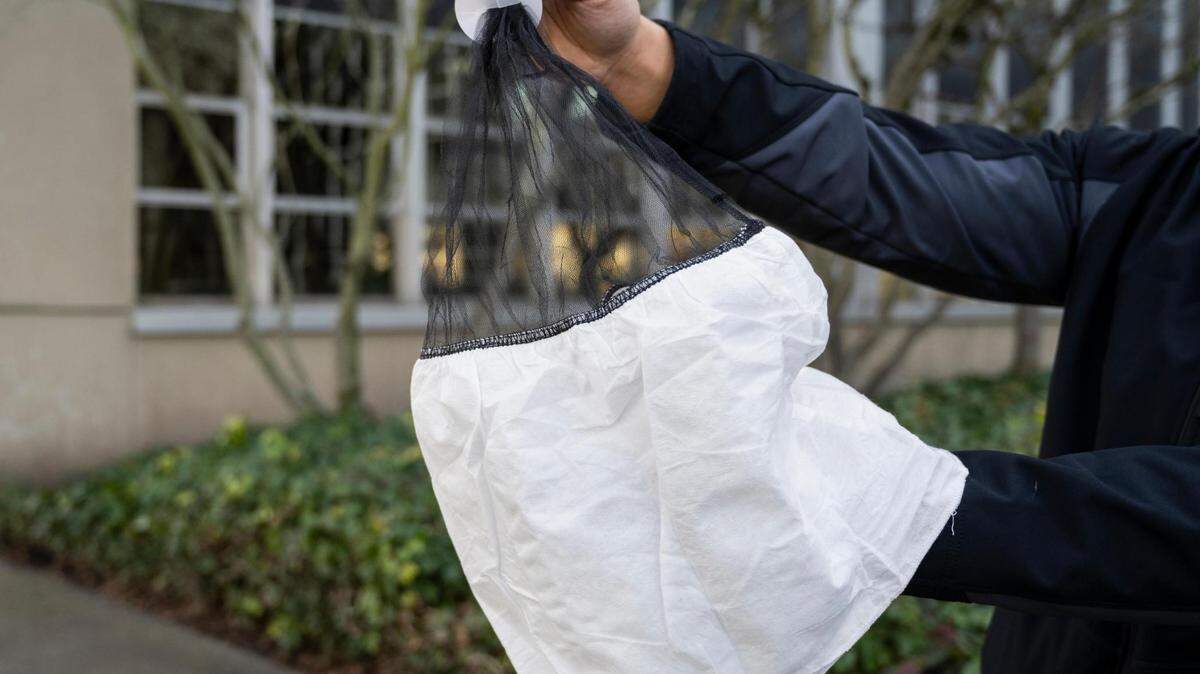
Hobbles, in this case a canvas strap, were used to bind Ellis’ legs. Handcuffs were placed on his wrists. A “spit hood,” used to prevent someone from spitting or biting, was put over Ellis’ mouth.
In response to Ellis struggling to breathe, the two officers allegedly rolled him on his side.
He at some point was rolled back onto his stomach, according to investigators and the autopsy report.
The police CAD log shows officers requested emergency medical aid at 11:25 p.m. and told backup officers to slow down because Ellis was in custody.
Within seconds, a second patrol unit with two more officers inside arrived on scene.
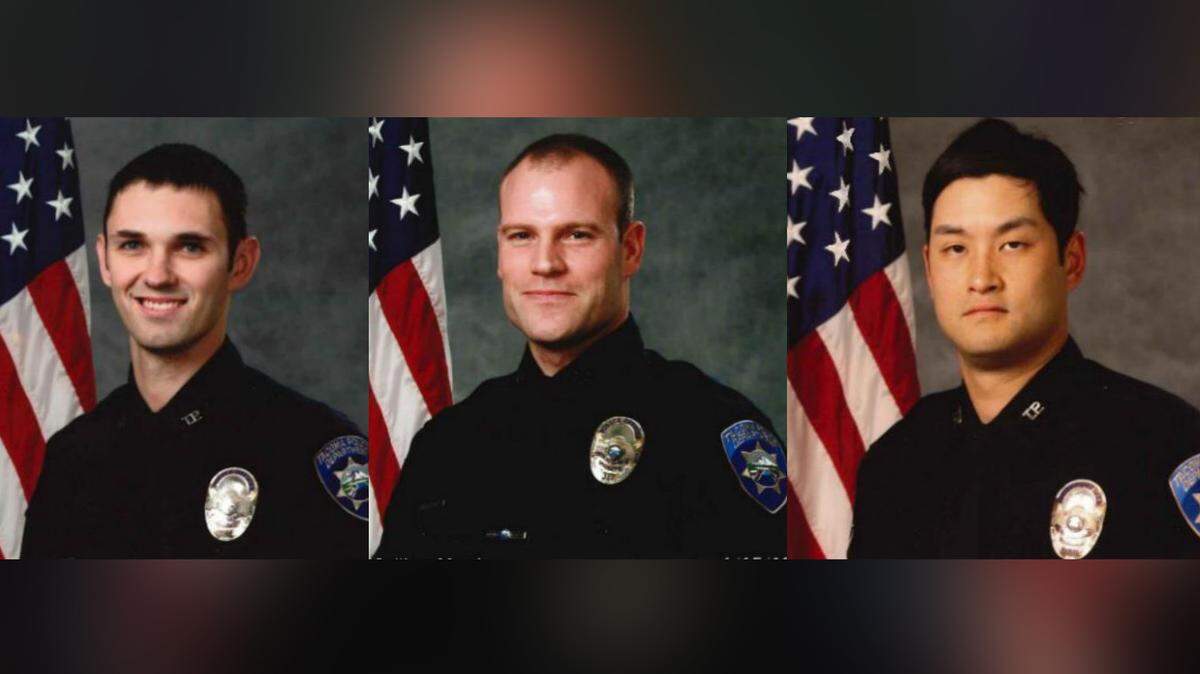
The Police Department identified the four officers as Christopher Burbank, 34; Matthew Collins, 37; Masyih Ford, 28; and Timothy Rankine, 31.
Officials have not said which two officers initially detained Ellis and what role the other two officers played in the incident.
All four at some pointed played a role in physically restraining Ellis, police said.
Although the officers were placed on administrative leave and returned to duty after Ellis’ death, they were again placed on a leave last week.
Over the next seven minutes after Ellis was subdued, Tacoma police requested an ambulance and upgraded the incident to a priority call, which means a bigger, quicker response.
Medics arrived at 11:34 p.m., “noting that he was unconscious with minimal respiratory drive, and deteriorating,” according to the ME’s report.
First responders used a variety of life-saving methods, including CPR and placing a tube down his throat to help him breathe, for nearly 40 minutes.
Ellis was pronounced dead at the scene at 12:12 a.m.
Excited delirium theory
When McDowell drove away, two officers appeared to have Ellis restrained on his side and were asking him to put his hands behind his back, according to her cell-phone video.
Investigators later said Ellis was trying to open doors of occupied vehicles and appeared to be suffering from excited delirium, which can cause violent behavior, unexpected strength and very high body temperature.
The Medical Examiner’s report does not mention excited delirium, which critics say is often used as an excuse to justify excessive police force. Law enforcement groups and some experts say it’s a legitimate condition.
Ellis’ death was ruled a homicide from hypoxia due to physical restraint, according to the Medical Examiner’s Office.
Hypoxia is a deficiency in the amount of oxygen reaching body tissues.
The report noted Ellis had enough methamphetamine in his system to be fatal, and “an argument could be made that the extremely high methamphetamine concentration should be considered the primary factor.”
Dr. Thomas Clark, who conducted the autopsy and wrote the report, concluded hypoxia as a result of physical restraint, body positioning and use of the spit mask were more significant factors.
Meth and heart disease were listed as contributing factors.
Ellis’ family has been open about him being an addict and said he was living in a clean-and-sober house and turning his life around.
He is remembered as a talented musician who played drums at church up to four nights a week, which is what he did hours before his death.
His mother, Marcia Carter, said she spoke with her son shortly before his police encounter.
“Remember I love you. Those are the last words I heard my son say to me,” Carter said through tears last week. “I can’t hear that ever again. I won’t be able to hear that.”
This story was originally published June 9, 2020 at 5:00 AM.