3 Tacoma officers involved in Manuel Ellis’ death charged with 2nd-degree murder, manslaughter
READ MORE
The police death of Manuel Ellis
More than a year after Manuel Ellis died in police custody, the attorney general charged three officers in his death.
Expand All
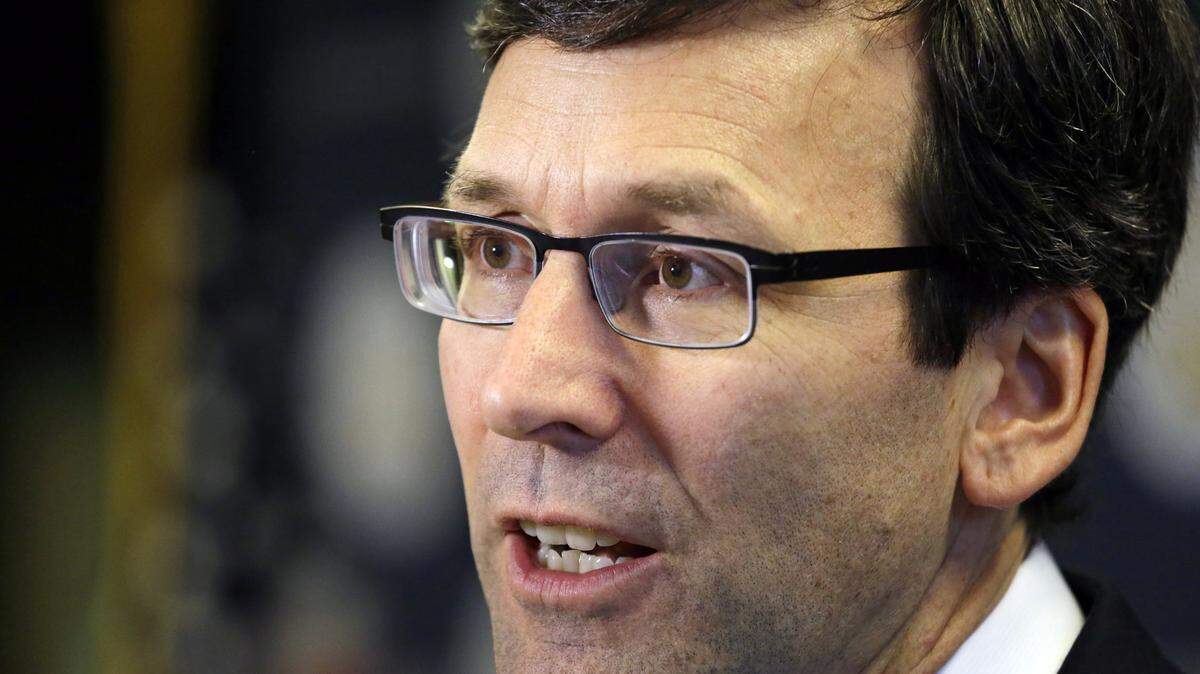
Three Tacoma police officers have been criminally charged in the death of Manuel Ellis, Washington State Attorney General Bob Ferguson announced Thursday.
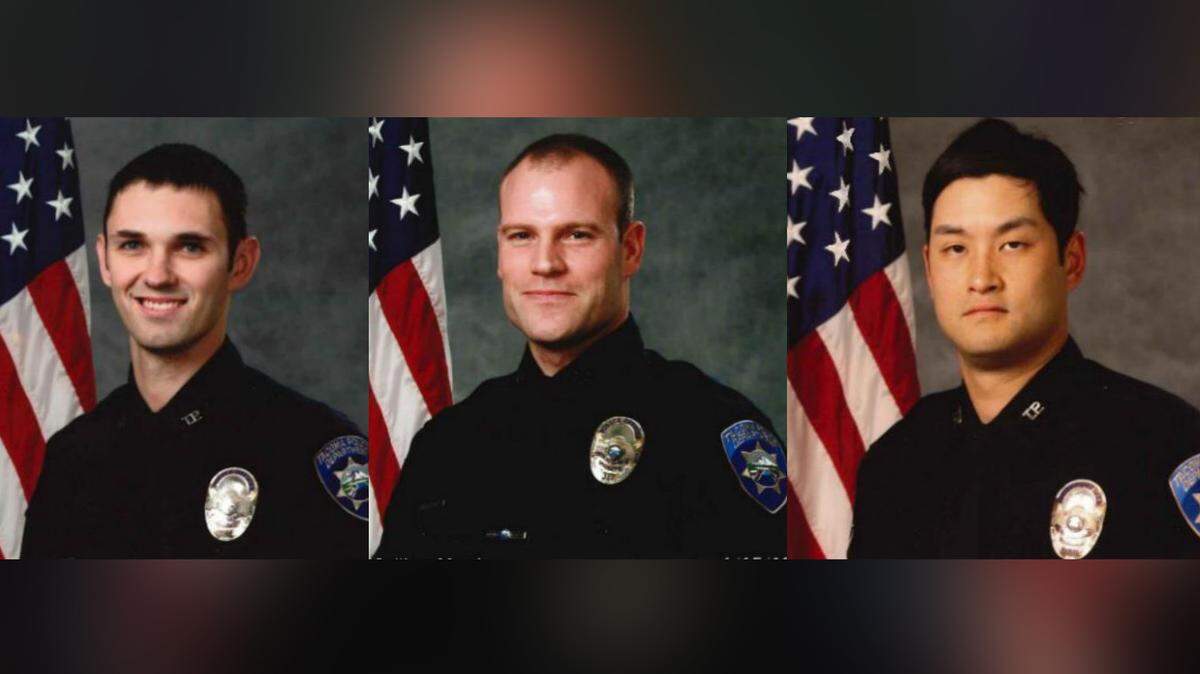
Christopher Burbank, 35, and Matthew Collins, 38, were charged Thursday in Pierce County Superior Court with second-degree murder and first-degree manslaughter. Timothy Rankine, 32, was charged with first-degree manslaughter.
All three turned themselves in by Thursday evening and were booked into Pierce County Jail.
If convicted on both counts, Burbank and Collins could serve life in prison. Rankine is facing 6-1/2 to 8-1/2 years in prison.
This is the first time the state Attorney General’s Office has criminally charged police officers for the unlawful use of deadly force.
No charges were filed against the other two officers involved in restraining Ellis, Masyih Ford and Armando Farinas.
After a six-month case review and further investigation by the Attorney General’s Office, Ferguson decided criminal charges were warranted against police because “Ellis died during the course of and in furtherance of Burbank and Collins’ felonious assault and/or unlawful imprisonment of Ellis,” prosecutors wrote in 21 pages of charging documents.
The two officers tackled and struck Ellis multiple times, used a neck restraint and used a Taser on him three times, “all without justification for these uses of force,” records say.
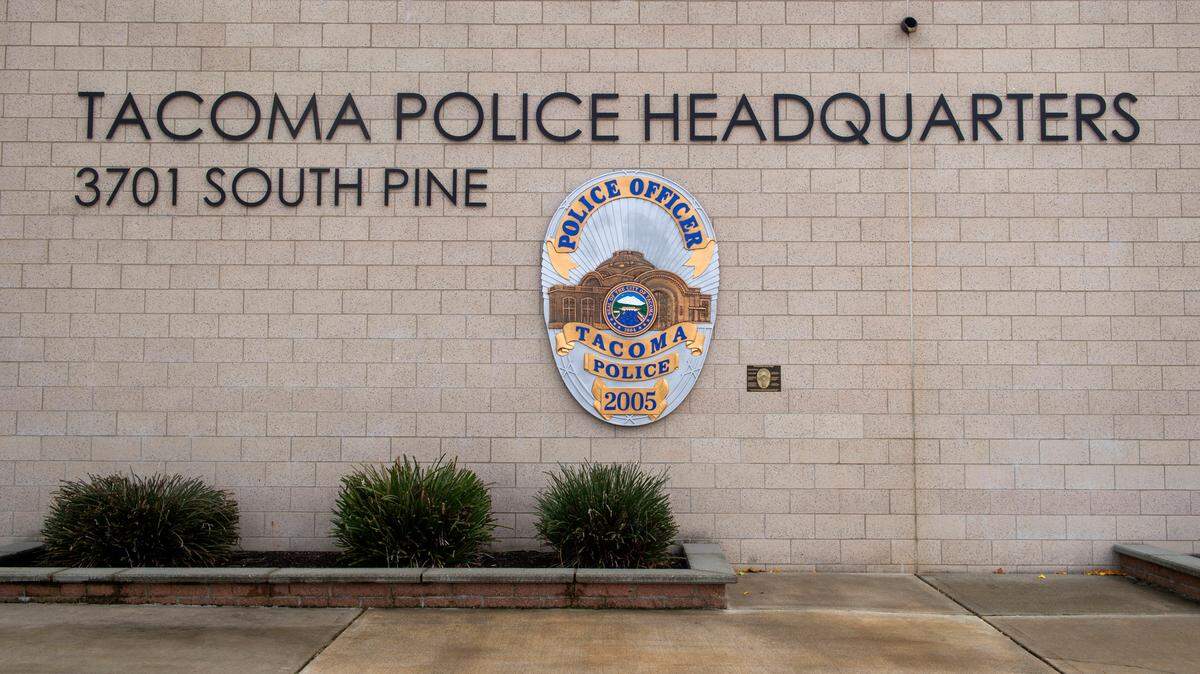
Interim Police Chief Mike Ake said an internal investigation into the five officers involved in Ellis’ death will begin immediately to determine whether they violated any department policies and procedures. Disciplinary decisions, including whether any will be fired, will come after that investigation has been completed.
“We are committed to upholding accountability of individual officers who violate their oath to protect and serve,” Ake said.
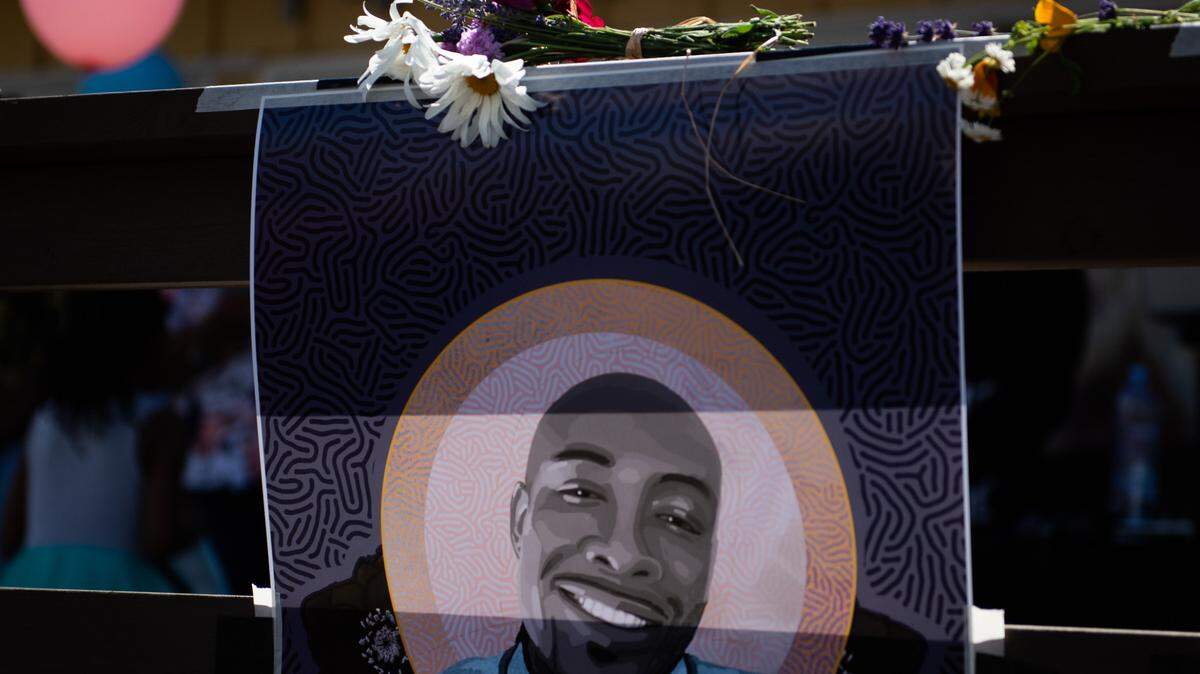
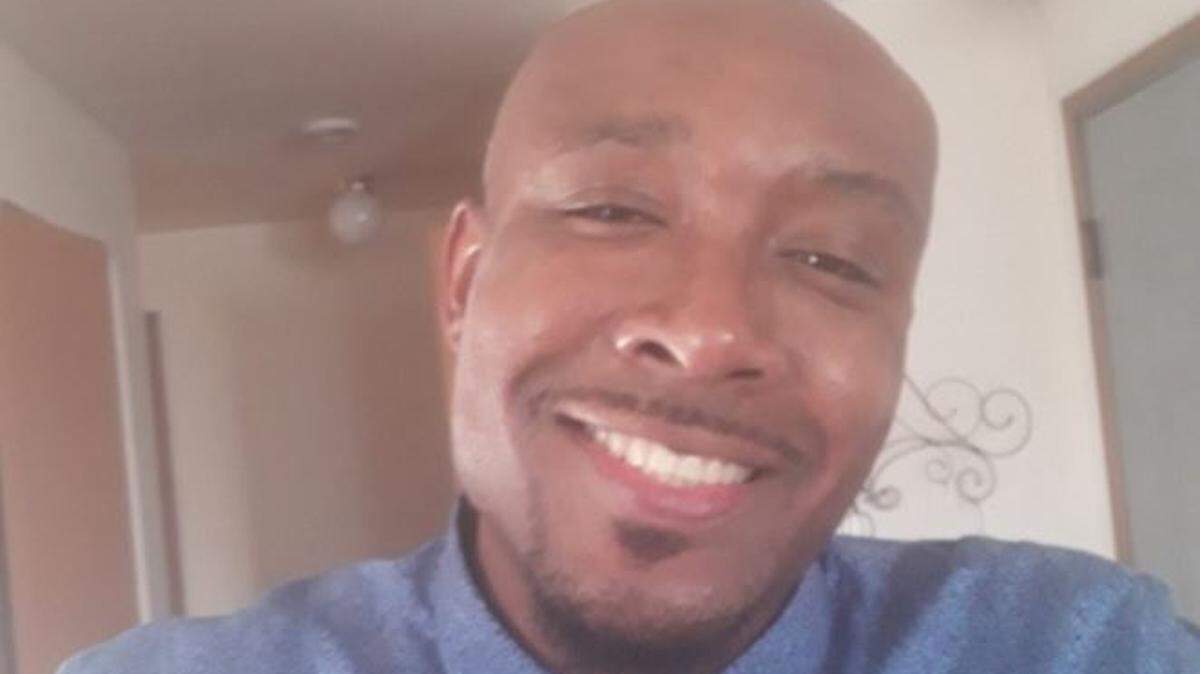
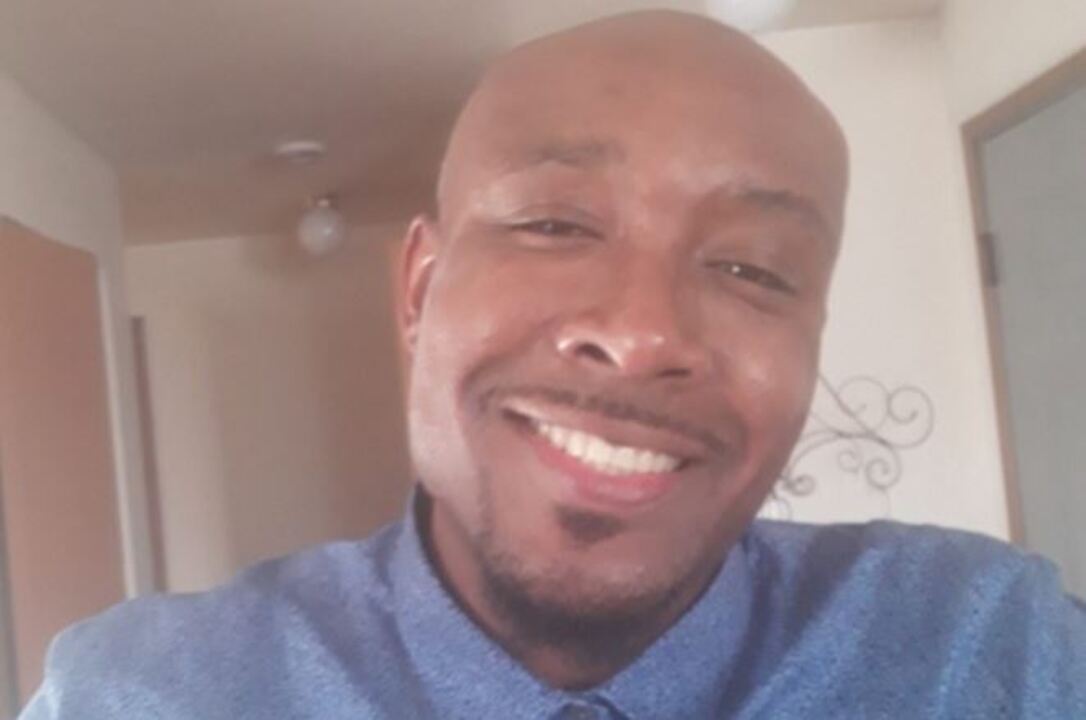
Ellis, a 33-year-old Black man, died March 3, 2020, of oxygen deprivation while being restrained by police after a minutes-long struggle that occurred as he walked home from a convenience store where he’d gone to get a late-night snack after a church revival. Video captured him telling officers, “I can’t breathe, sir, I can’t breathe,” shortly before he lost consciousness.
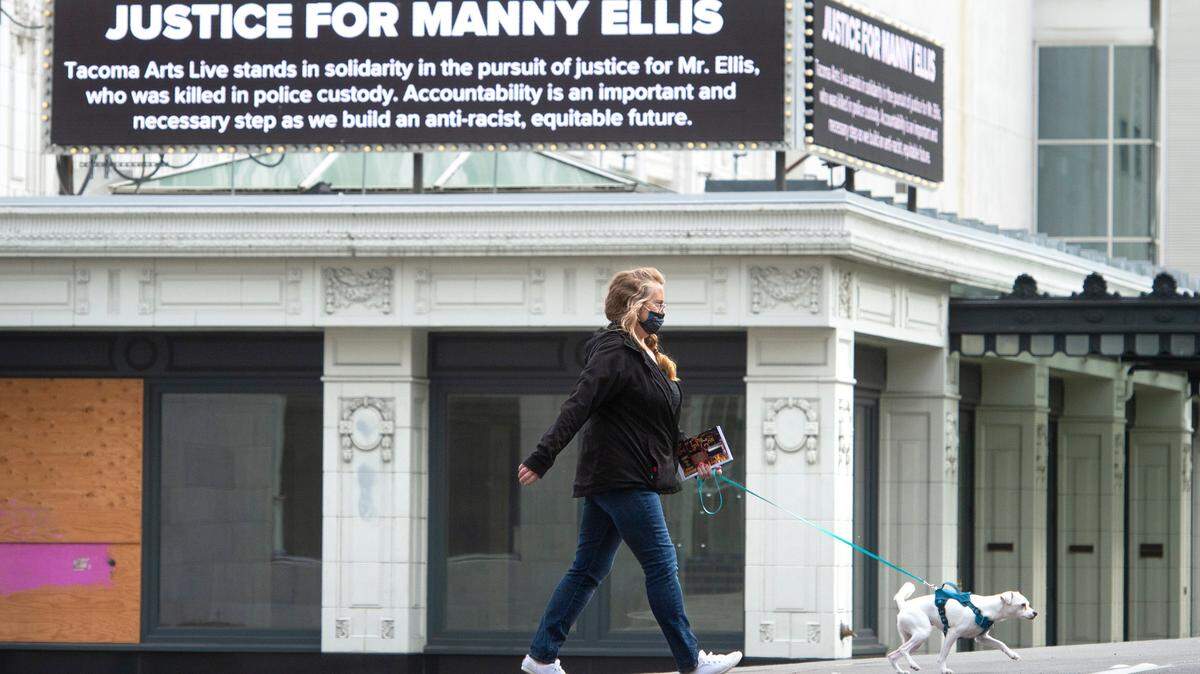
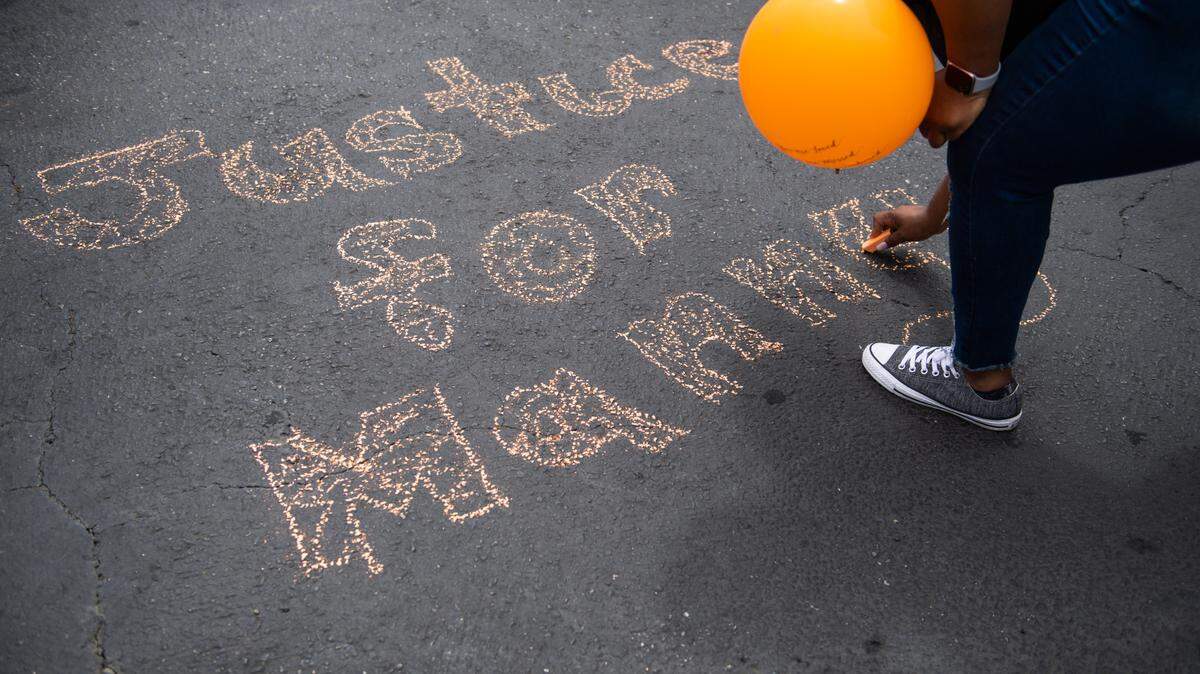
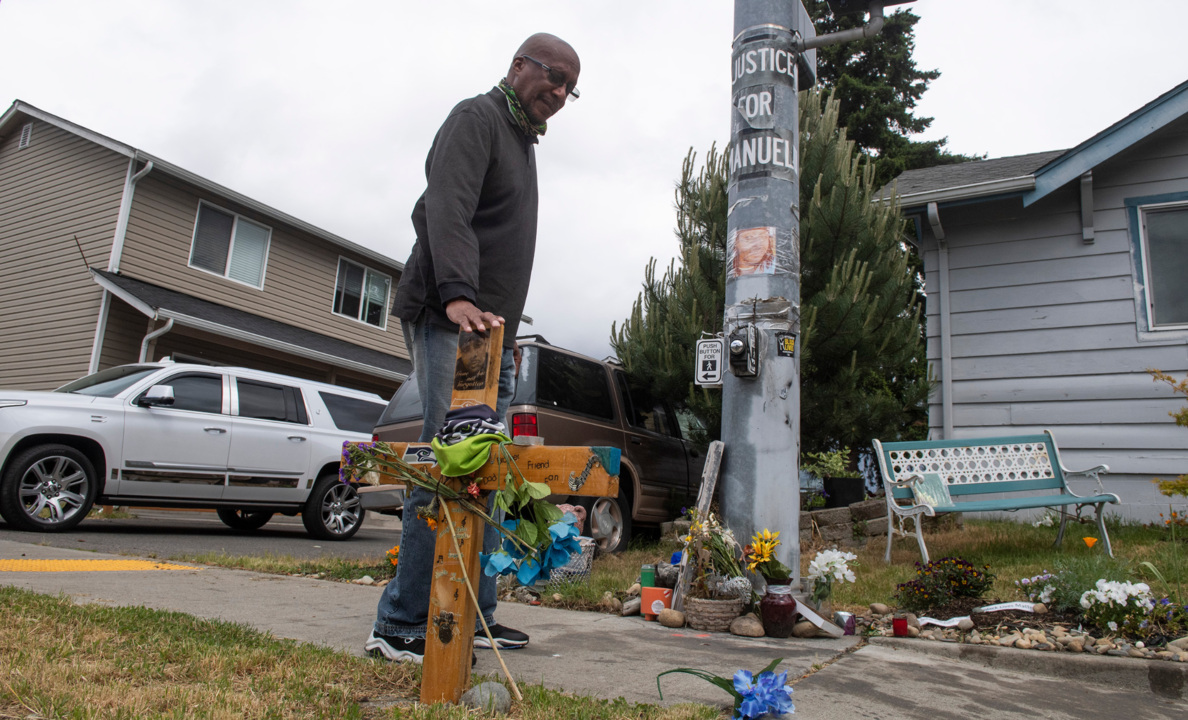
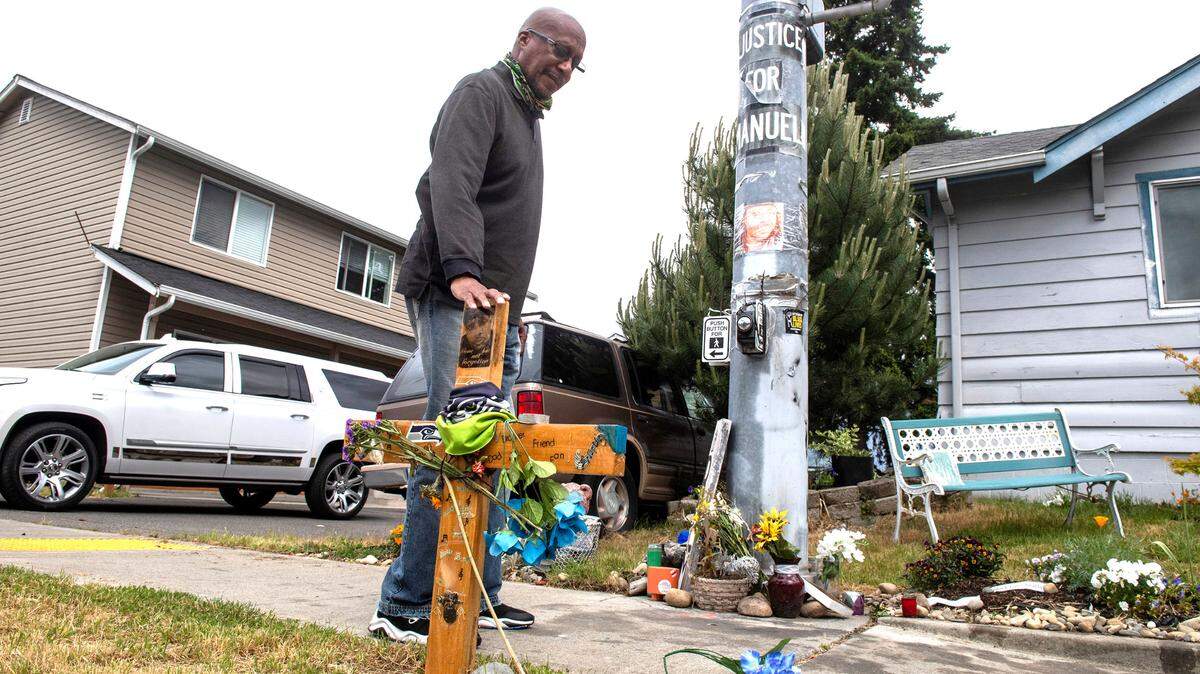
His case became a rallying cry in Tacoma and beyond, cited as an example of police brutality and racial inequality that prompted protests and demands for change in policing.
From the beginning, Ellis’ family called for the officers involved to be fired and charged.
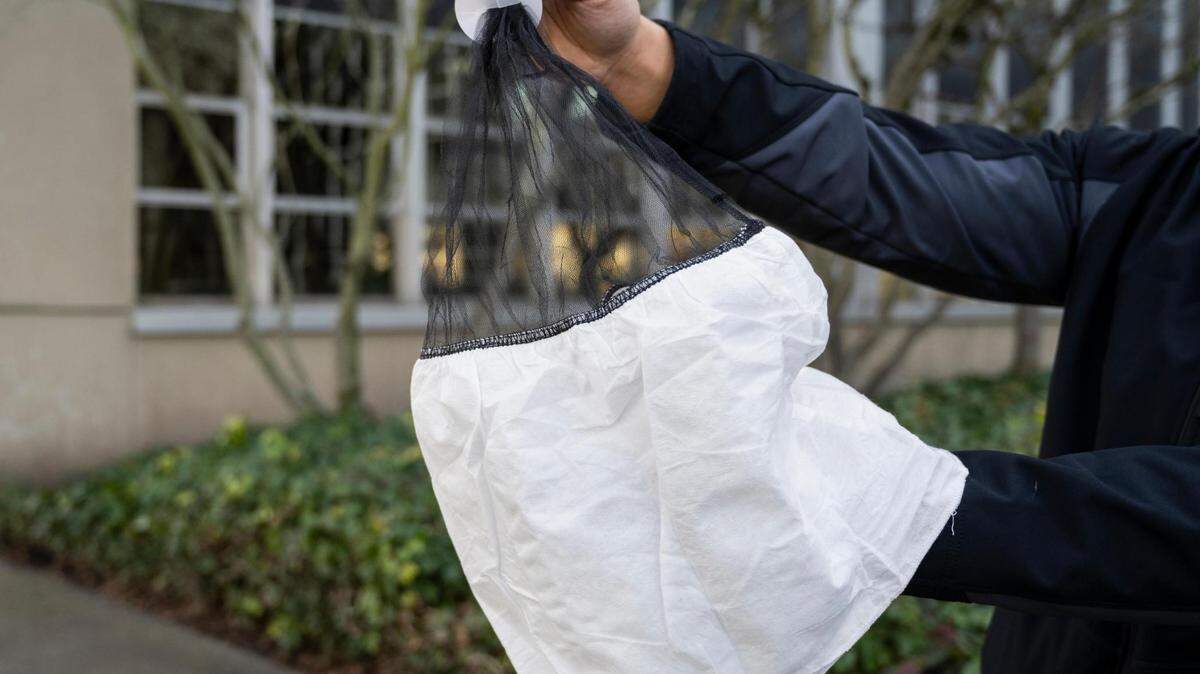
Four of the involved Tacoma officers — Burbank, Collins, Ford and Rankine — were placed on paid administrative leave June 3 after the Medical Examiner’s Office ruled Ellis’ death a homicide. Farinas was placed on leave in January after a Washington State Patrol investigation found he was the one who placed a mesh spit mask over Ellis’ head.
The spit mask was determined to be “a significant factor, and possibly the most important factor” in Ellis’ death, according to the autopsy report. Methamphetamine and heart disease were listed as contributing factors.
A sheriff’s employee, Lt. Gary Sanders, who held Ellis’ leg as he was hobbled, was never placed on administrative leave.
The Pierce County Sheriff’s Department violated a new law requiring independent investigations into police-caused deaths by not immediately disclosing their involvement, so Gov. Jay Inslee turned the case over to the State Patrol. That 2,169-page investigation wrapped up in the fall and was handed over to the Attorney General’s Office Nov. 12.
Investigation contradicts police account of Ellis’ death
Ellis’ encounter with police started about 11:11 p.m. in the intersection at 96th Street South and Ainsworth Avenue South. It was roughly 10 minutes after he started his walk home from a convenience store where he bought water and donuts.
The clerk remembered Ellis, whose loved ones described him as a loving man who could make anyone laugh.
“He’s a nice kid,” the clerk remembered. “Really respectful kid. He always say[s] hi,” according to court documents.
At least three eyewitness accounts contradict the police narrative, which is that Ellis was the aggressor.
Burbank and Collins, who were patrolling together, said they saw Ellis grab at the door handle of a slowly moving car so they asked him why he was in the road.
He allegedly approached their patrol SUV and asked for help, then punched the passenger window up to three times.
The witnesses, who were in a vehicle behind the officers, did not see Ellis punch anything. In fact, they “remember seeing a peaceful, apparently respectful conversation, with no signs of aggression from Ellis,” prosecutors wrote in charging papers.
Ellis tried to walk away.
But Burbank swung open the passenger door on the patrol car and struck Ellis, knocking him to his knees.
Collins, who was driving, got out of the SUV and Ellis faced him in a “fighting stance” with clenched fists, police said.
“As soon as I realized that he had focused on Officer Collins and was probably about to attack him or start fighting him, I used my door to actually door check him and hit him with the door to draw his attention away from Officer Collins and kind of divert him away from that,” Burbank told investigators.
Witnesses saw the encounter differently.
They saw Burbank get on top of Ellis after he was knocked down, then Collins run around the patrol car toward Ellis. That’s when the witnesses picked up their cell phones and started recording, unbeknownst to police.
Ellis used “superhuman strength” to lift Collins by his vest and throw him to the ground, the officers said. Collins, a defensive-tactics trainer, weighs 230 pounds with his gear.
The two officers wrestled with Ellis, trying to get him in handcuffs, but said he was just too strong.
Collins said he attempted to use a neck restraint on Ellis but couldn’t get in the proper position. Burbank used a Taser on Ellis at least twice, then got on the radio to call for backup.
Ford and Rankine arrived within two minutes and joined the struggle. A third Taser shock helped them gain control of Ellis as he lay on his stomach.
Ellis told officers he couldn’t breathe after Rankine moved all of his weight into the middle of Ellis’ back.
“I remember telling the individual I was like if you’re talking to me, you can breathe just fine,” according to Rankine’s interview transcript.
One officer told Ellis to “Shut the (expletive) up,” according to a Ring doorbell recording.
Burbank and Collins told sheriff’s investigators they did not recall Ellis saying he couldn’t breathe, and in fact, said he never spoke and only made animal noises.
The entire episode lasted four minutes.
Shortly after firefighters arrived on scene and demanded police remove restraints so they could give medical aid, Ellis was pronounced dead.
Police initially blamed his death on excited delirium, which can cause violent behavior, unexpected strength and very high body temperature.
Law enforcement groups and some experts say excited delirium is a legitimate condition. Critics often say it is used as an excuse to justify excessive police force.
Although the Tacoma officers all spoke to sheriff’s investigators, they refused to be interviewed by the State Patrol and invoked their Fifth Amendment right against self-incrimination.
Video plays large part in case
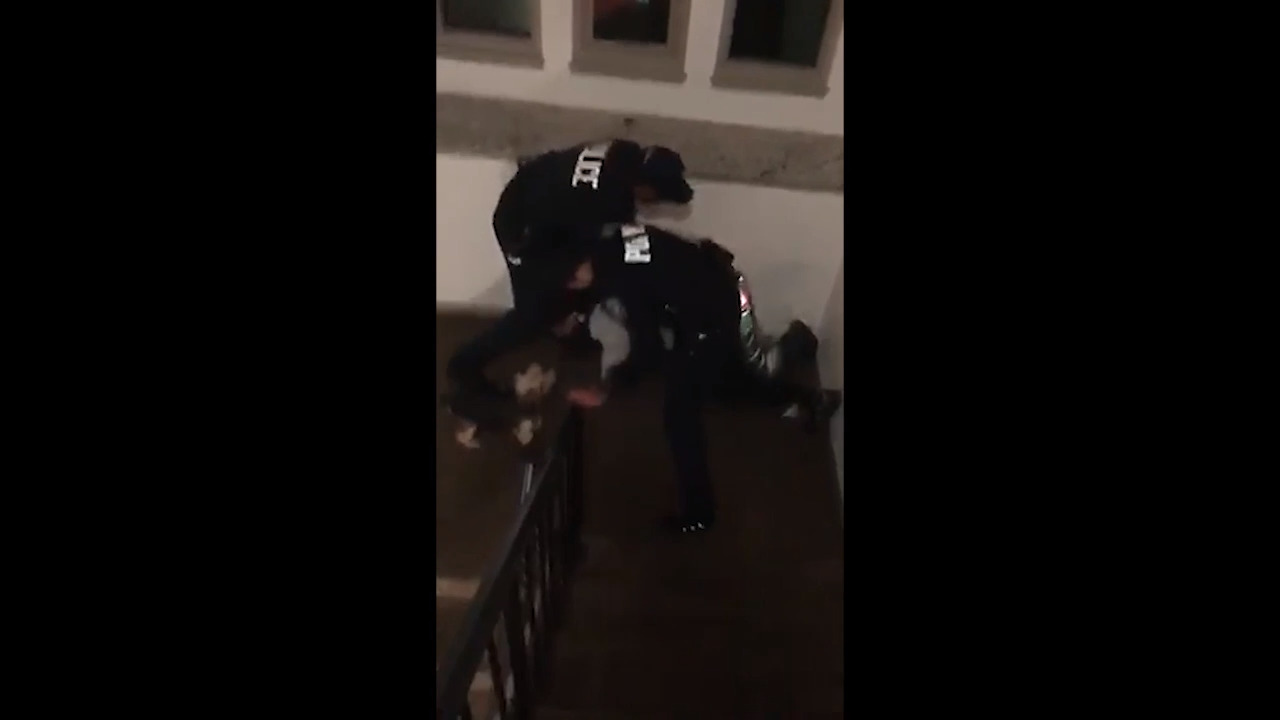
The Attorney General’s Office hired an expert to analyze video footage from three cell phones, Ring doorbell footage, dispatch audio recordings and Taser activation data. Prosecutors relied heavily on what the footage showed in deciding whether to charge the Tacoma officers.
The following account is taken from charging papers:
“When it begins, Burbank can be seen wrapping his arms around Ellis, lifting him into the air, and driving him down into the pavement, striking at him with one of his fists as he does so,” records say.
Ellis curled his legs into his body as Burbank backed away. His bag of snacks rolled away into the street.
Collins moved in next, shifting on top of Ellis and punching him in the head four times. Burbank pulled out his Taser.
One of the witnesses tried to interfere, calling out, “Hey! Stop! Oh my God, stop hitting him! Stop hitting him! Just arrest him.”
It’s at that point, about one minute into the encounter, that a pizza delivery person driving by also began recording Ellis’ struggle with the two officers.
Collins was behind Ellis with his arm wrapped around Ellis’ neck, placing him in a neck restraint meant to render someone unconscious within seconds.
“Ellis was not fighting back,” prosecutors wrote.
None of the witnesses said they ever saw Ellis strike at Burbank or Collins. One person told investigators Ellis didn’t even defend himself.
“The civilian witnesses’ accounts are corroborated by the video evidence,” according to charging papers. “The video depicts Ellis struggling at times against the officers’ restraints, but does not show Ellis attempting to strike the officers at any point.”
As Collins held Ellis in the neck restraint, Burbank pointed the Taser at Ellis’ chest. Ellis put his arms in the air, almost in surrender, before Collins pulled back on Ellis’ neck and rolled him onto the pavement.
Burbank tased Ellis as the man laid on the ground with his hands up. Collins still had him in a neck restraint.
“Hey, ya’ll in the wrong right now,” a bystander called to police.
After Collins released the neck restraint, Ellis’ head fell limply to the street, records say. The officer then pressed Ellis’ face into the pavement.
It’s then that Burbank got on the radio for the first time and told dispatchers he and Collins were experiencing “unknown trouble.”
Ellis was writhing on the ground and screaming as the two officers held his arms behind his back, video showed.
The three witnesses left the scene at that point, and Burbank used the Taser on Ellis a third time.
Within a minute, Ellis could be heard on video saying, “Can’t breathe, sir, can’t breathe.”
As Ellis again begged for air, one of the officers said, “Shut the (expletive) up, man.”
Rankine and Ford arrived less than a minute later. Another 18 officers would also respond as backup.
As Rankine rushed toward his colleagues, he saw Ellis was already in handcuffs. Burbank was sitting on Ellis’ back and Collins was holding his legs. Rankine placed both his knees on Ellis’ back and applied pressure, records say.
When Ellis told him he couldn’t breathe, Rankine responded, “If you’re talking to me, you can breathe just fine.”
Ellis went quiet for a bit but could be heard three more times telling police couldn’t breathe.
Police hogtied Ellis, using a nylon strap to bind his feet as he lay face down on the ground.
Ellis stopped moving and making noise after being bound, except “agonal breathing,” Pierce County sheriff’s Lt. Anthony Messineo told investigators.
“They sounded to him like a person’s last breaths, explaining that when “someone is dying and they have the agonal breathing, their last breaths.... That’s what I heard,” according to charging papers.
Officers noticed Ellis was hot and sweaty and theorized he may be experiencing excited delirium.
“Neither Burbank nor Collins nor Rankine had requested medical aid before that point, despite having heard Ellis say multiple times that he could not breathe. They did not inform the dispatcher that Ellis had said he could not breathe. They did not tell the dispatcher that Ellis was now experiencing agonal breathing,” records say, noting that police department policy specifically requires such notifications after a stun-gun application.
They also did not alert Tacoma Fire that Ellis may be experiencing excited delirium. That means paramedics only knew that they were responding to “check (Ellis) out.”
It took seven minutes for Tacoma police to notify firefighters and paramedics that the call should be “priority,” meaning they should hurry.
Ellis was violently thrashing around, Rankine said, so the officer kept his knee in Ellis’ back. At least two officers on scene disputed Rankine’s account, saying Ellis had stopped moving at that point.
Yet Ellis remained hogtied and face down for 6 to 9 minutes until firefighters arrived.
Farinas allegedly placed a spit mask over Ellis’ head even though instructions on the mask specifically warn officers not to use it on anyone having difficulty breathing. The instructions also warned that using the mask in that situation may cause serious injury or death, records say.
“Even though Rankine, Collins and Burbank heard Ellis repeatedly plead that he could not breathe, they did not intervene when the officer put the spit hood on Ellis or remove the spit hood,” prosecutors wrote in charging papers.
Rankine also resisted removing the restraints from Ellis when paramedics asked him to.
The officer told paramedics he didn’t “wanna get him outta cuffs in case he starts fighting again,” according to his statement to Pierce County sheriff’s investigators.
Rankine did remove the hobbles and handcuffs when paramedics insisted.
Although they tried several life-saving methods, Ellis was pronounced dead at the scene.
Attorney General’s Office assumes investigation
Ordinarily, the Pierce County Prosecutor’s Office would determine whether law enforcement officers in the county were justified in their use of deadly force.
But after sheriff’s investigators revealed one of their employees had been involved in restraining Ellis, Prosecuting Attorney Mary Robnett stepped away from the case and asked Ferguson to take over the review.
An 11-member team from the Attorney General’s Office reviewed the case, including Ferguson, retired state court judges Frank Cuthbertson and Ronald Cox, an assistant attorney from a civil rights division and various deputy and assistant attorneys.
State officials made sure “a majority” of the review team were persons of color, and the team did some investigating on its own.
They spoke directly to witnesses and interim Tacoma Police Chief Mike Ake, consulted with experts and canvassed the neighborhood where Ellis died for more witnesses.
Initially the Attorney General’s Office said the case review would be complete by April 6. In early April, the office said it would be at least another 4 to 6 weeks. It took until May because new witnesses were interviewed, a police use-of-force expert weighed in and experts on video and audio painstakingly pieced together all the recordings and produced a transcript, the agency said.
Special Assistant Attorney General Patty Eakes and Assistant Attorney General Kent Liu will handle the criminal case against Burbank, Collins and Rankine. The officers are tentatively scheduled to make their first court appearance Friday.
Timeline of Ellis case:
March 3, 2020: Manuel Ellis is killed in Tacoma
June 3: The Pierce County Medical Examiner’s Office releases his cause of death and rules it a homicide
June 4: Video surfaces showing Ellis’ struggle with officers
June 5: Gov. Jay Inslee announces an independent review will be done by state officials
June 10: Inslee takes the case away from the Pierce County Sheriff’s Department after discovering a deputy helped restrain Ellis
June 17: Washington State Patrol is appointed the new investigating agency
November: The State Patrol turns over the case to Attorney General’s Office for review
Dec. 29: It is discovered that a fifth Tacoma police officer was involved once the investigation is released to the public
This story was originally published May 27, 2021 at 10:59 AM.