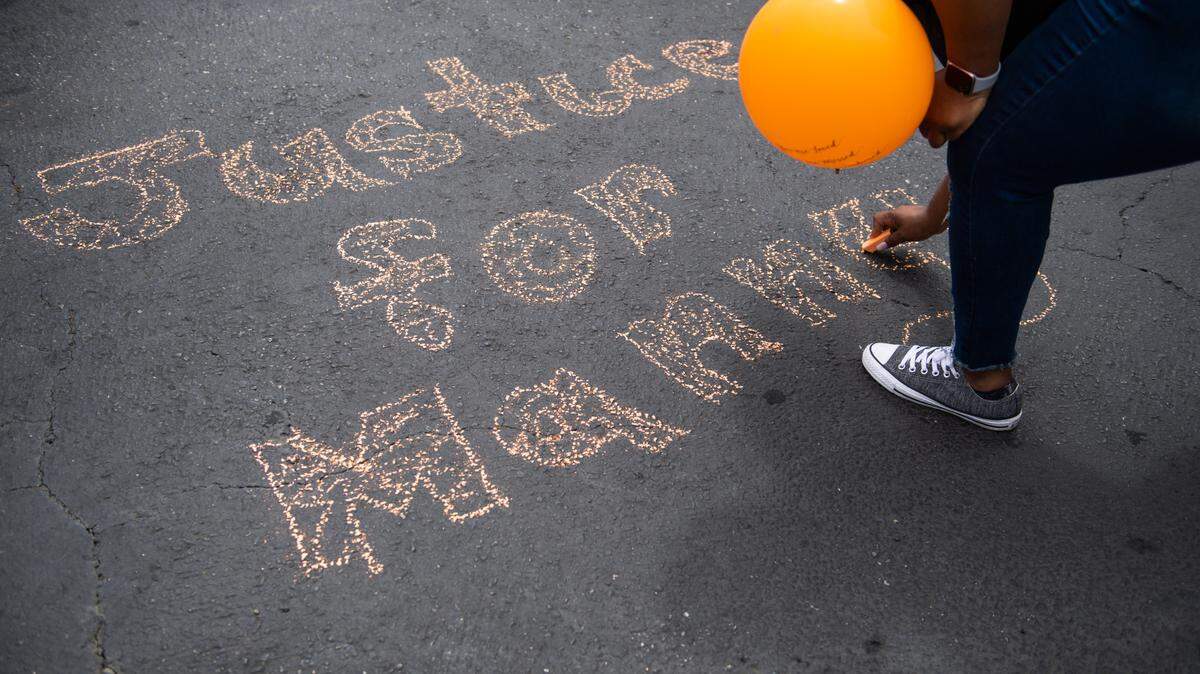
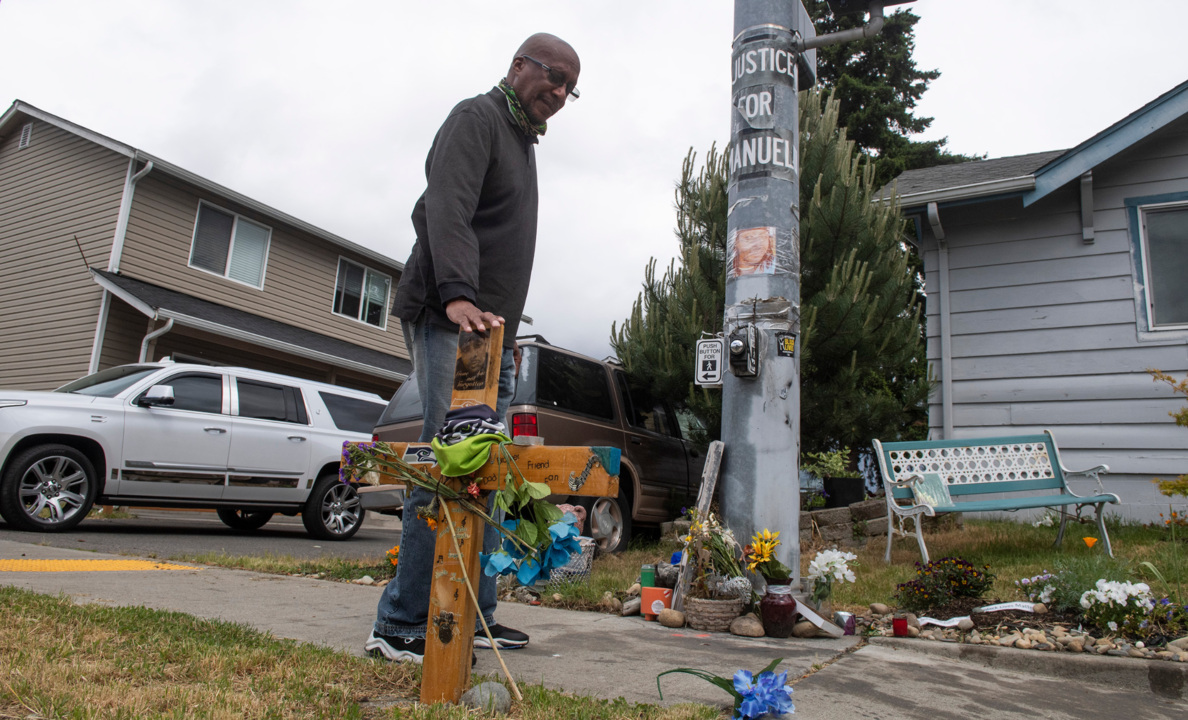
Here’s a breakdown of the charges filed against officers for the death of Manuel Ellis
READ MORE
The police death of Manuel Ellis
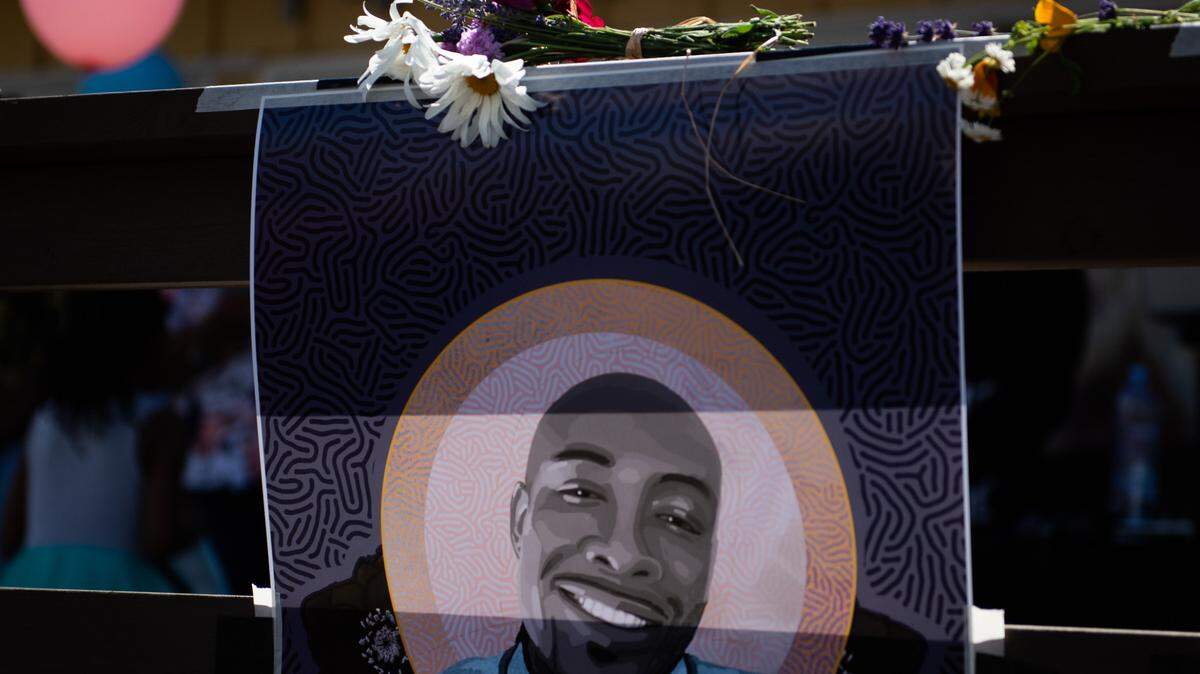
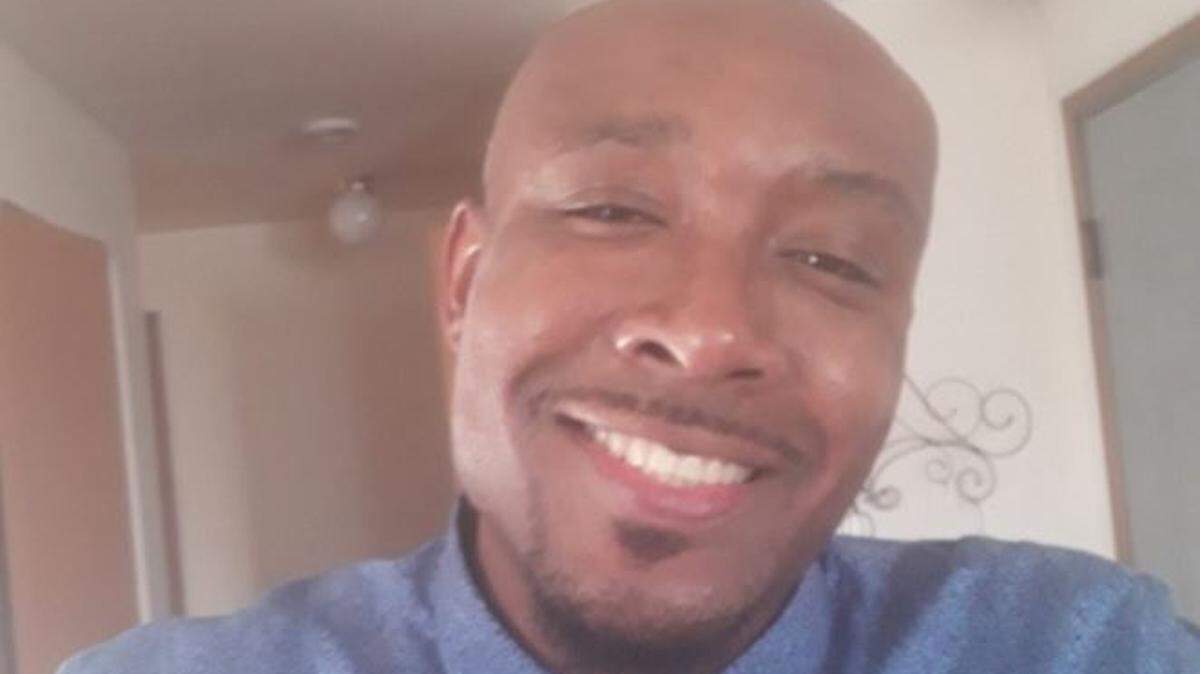
More than a year after Manuel Ellis died in police custody, the attorney general charged three officers in his death.
Expand All
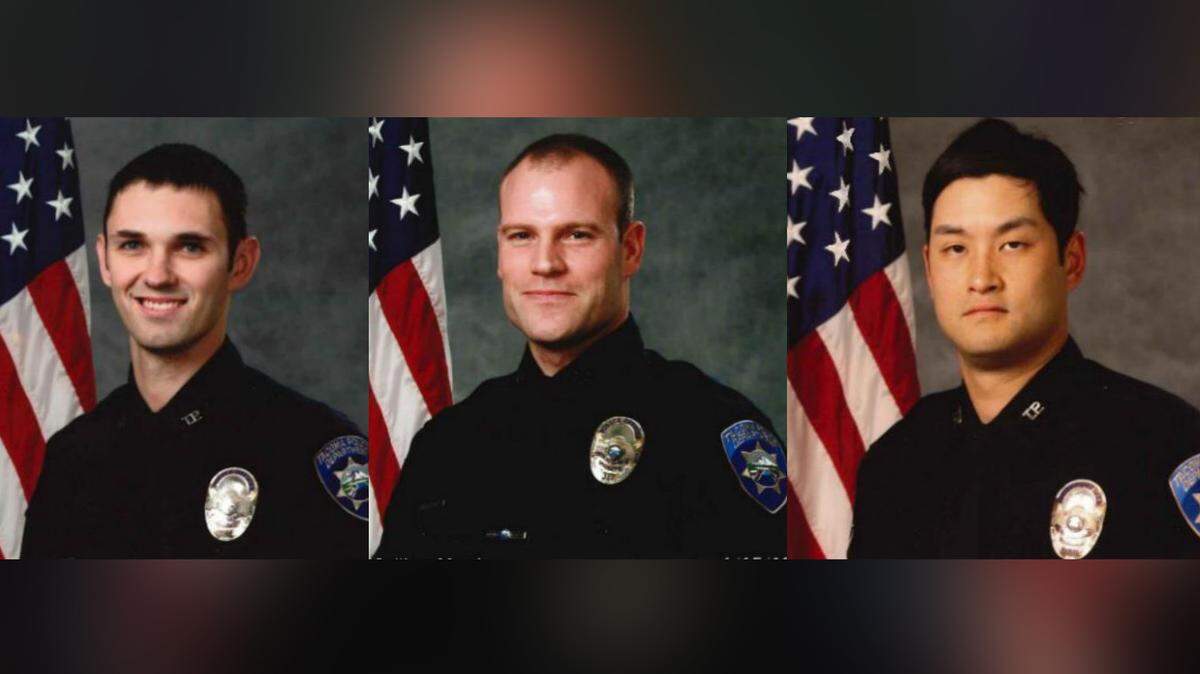
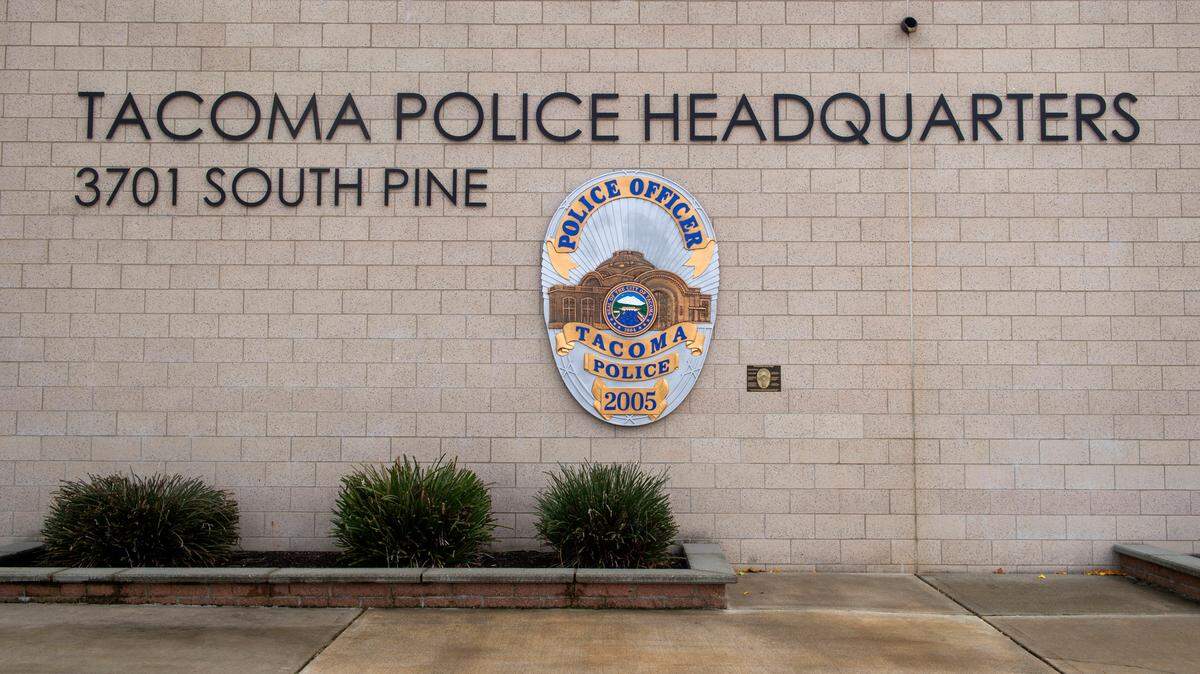
The Washington State Attorney General’s Office charged three Tacoma officers Thursday for the death of Manuel Ellis.
They charged Christopher Burbank and Matthew Collins with second-degree murder and first-degree manslaughter, and Timothy Rankine with first-degree manslaughter.
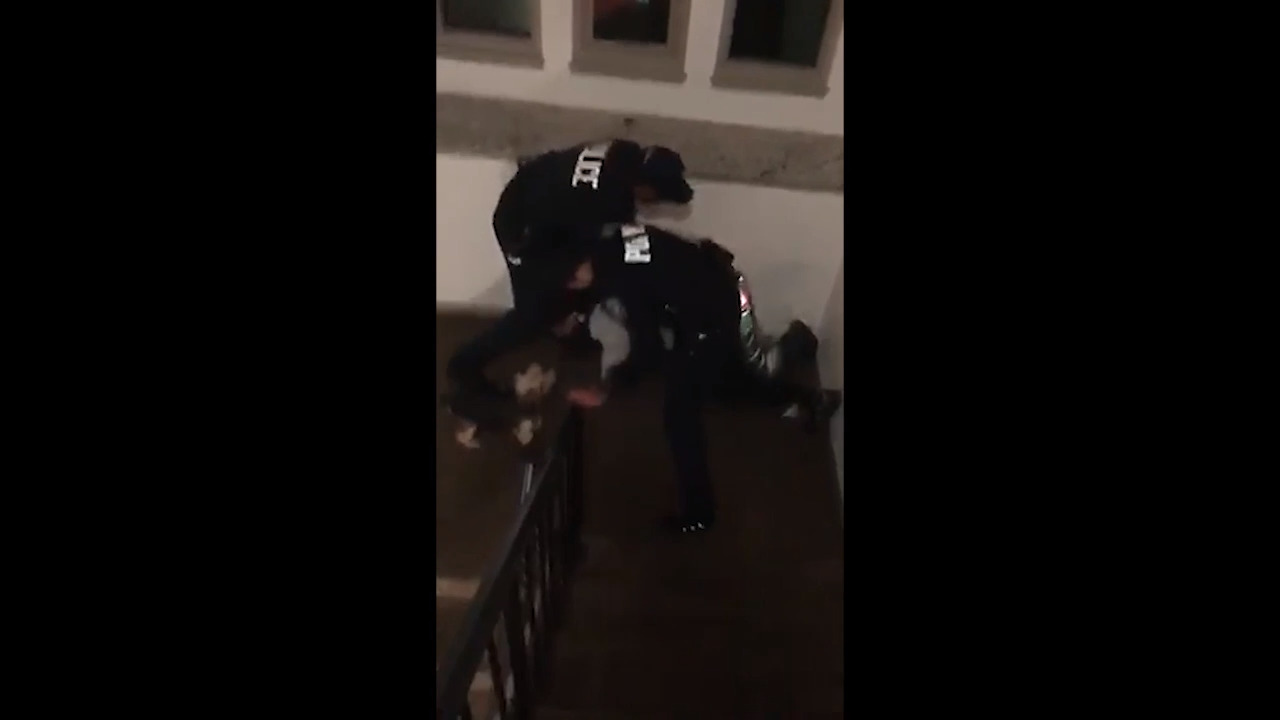
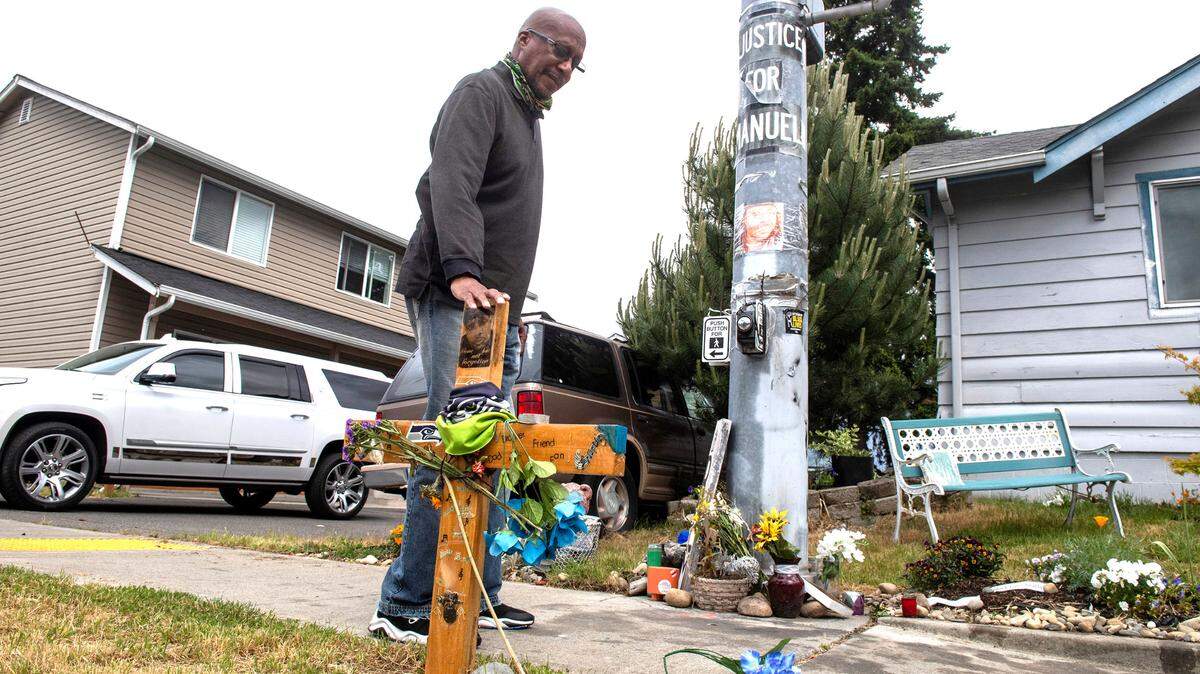
Ellis, a 33-year-old Black man, died March 3, 2020 at 96th Street South and Ainsworth Avenue as police restrained him.
Video showed him saying: “I can’t breathe, sir, I can’t breathe.”
He died from lack of oxygen and his death was ruled a homicide.
Here’s a breakdown of the charges filed against the officers and what they mean:
First-degree manslaughter
For the first-degree manslaughter charge prosecutors need to show Rankine recklessly caused Ellis’ death.
State law says someone is guilty of first-degree manslaughter when: “He or she recklessly causes the death of another person.”
Second-degree murder
To get a conviction for the second-degree murder charge, prosecutors will have to show that Burbank and Collins committed or attempted to commit an assault that led to Ellis’ death.
State laws says in part that someone is guilty of second-degree murder if they commit or attempt to commit “any felony, including assault ... and, in the course of and in furtherance of such crime or in immediate flight therefrom, he or she, or another participant, causes the death of a person other than one of the participants ... .”
Many states don’t allow an assault that caused the death to be the basis for a felony murder charge (a charge that someone commits a felony, burglary or kidnapping for instance, and in the process cause someone’s death).
“Our state law expressly says that assault can be a basis for a second-degree felony murder conviction,” UW law professor Mary Fan said.
Similar to Minnesota, Fan said, “We allow assault to be the basis of a felony murder charge.”
The Star Tribune reported last month what prosecutors needed to prove to convict former Minneapolis police officer Derek Chauvin of second-degree unintentional murder for death of George Floyd, among other charges.
The newspaper reported that “... prosecutors must show beyond a reasonable doubt that Chauvin caused Floyd’s death while assaulting him,” and that none of the charges required prosecutors to prove Chauvin was trying to kill him.
Good faith standard
Following the passage of Initiative 940, Fan said a significant part of the law and possible defense in the Tacoma officers’ case will involve the so-called good faith standard.
That section of state law says in part: “A peace officer shall not be held criminally liable for using deadly force in good faith, where ‘good faith’ is an objective standard which shall consider all the facts, circumstances, and information known to the officer at the time to determine whether a similarly situated reasonable officer would have believed that the use of deadly force was necessary to prevent death or serious physical harm to the officer or another individual.”
It was harder to prosecute officers before that change in law.
“Before prosecutors had to prove malice, which was a pretty hard standard,” Fan said.
Sentencing range
The standard range for first-degree manslaughter if someone doesn’t have prior criminal history is 6.5 years to 8.5 years, the Attorney General’s Office said. For second-degree murder it’s 10 to 18 years. For both crimes the maximum sentence is life in prison.
State law says sentences outside a standard range can be imposed if the court finds “substantial and compelling reasons justifying an exceptional sentence.”
The law identifies various aggravating circumstances.
This story was originally published May 28, 2021 at 5:00 AM.