Questions remain in Manny Ellis case. Why won’t Washington AG stand up, answer them?
READ MORE
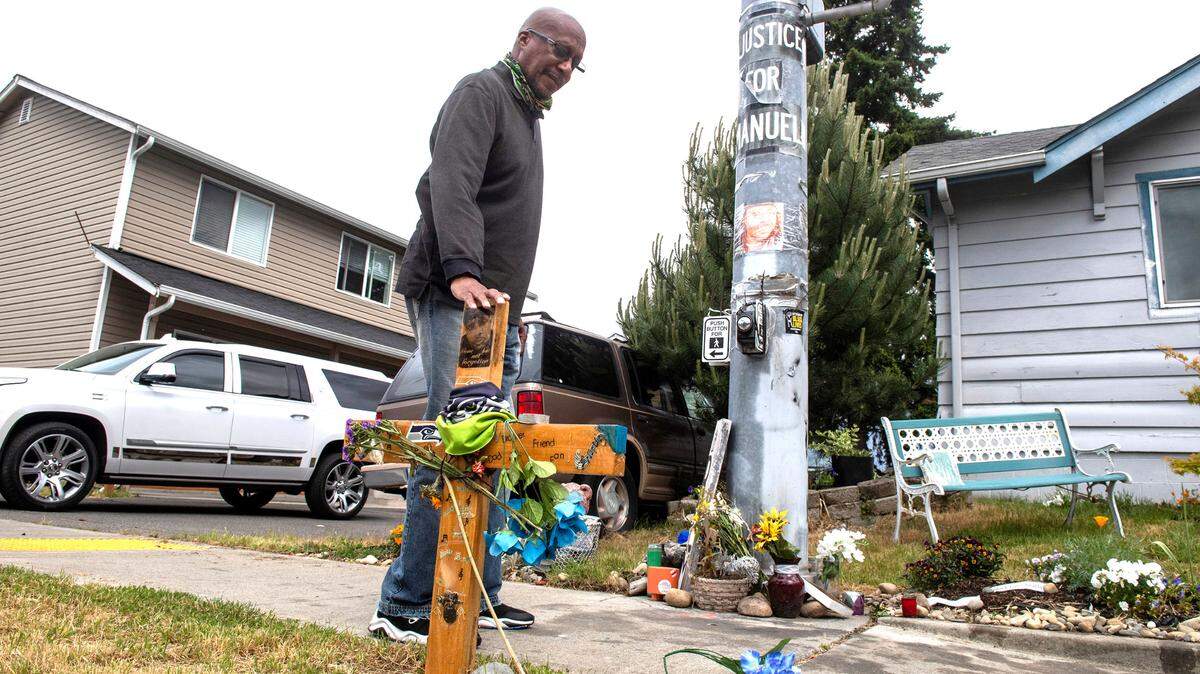
The police death of Manuel Ellis
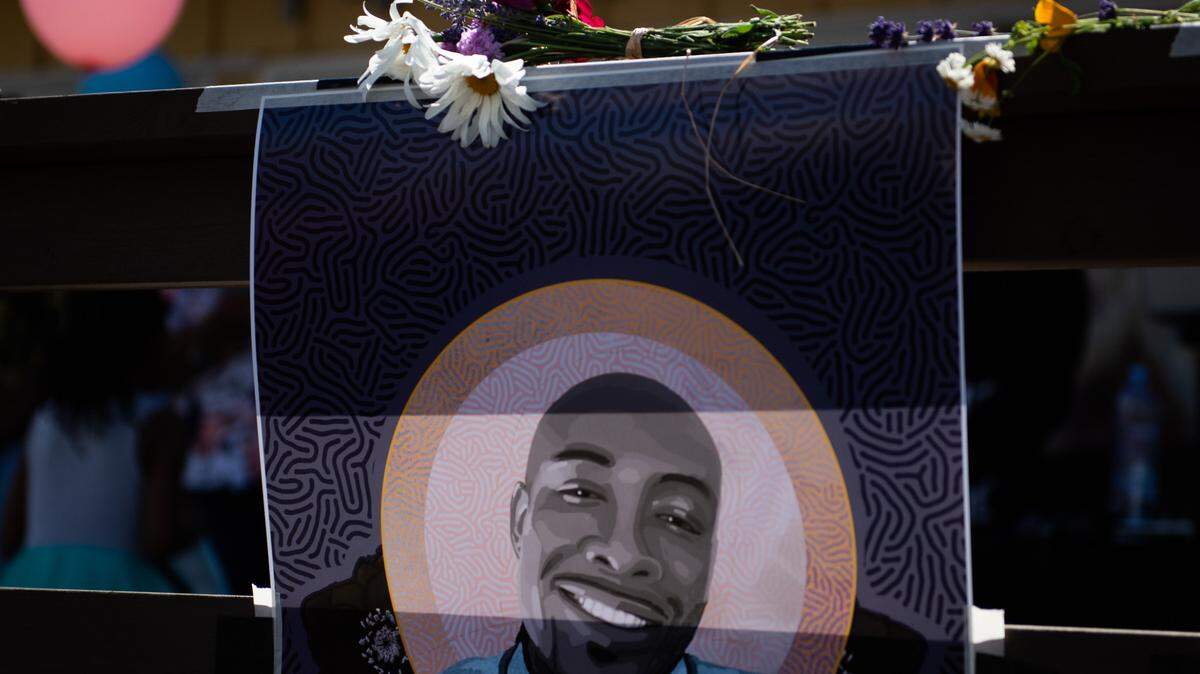
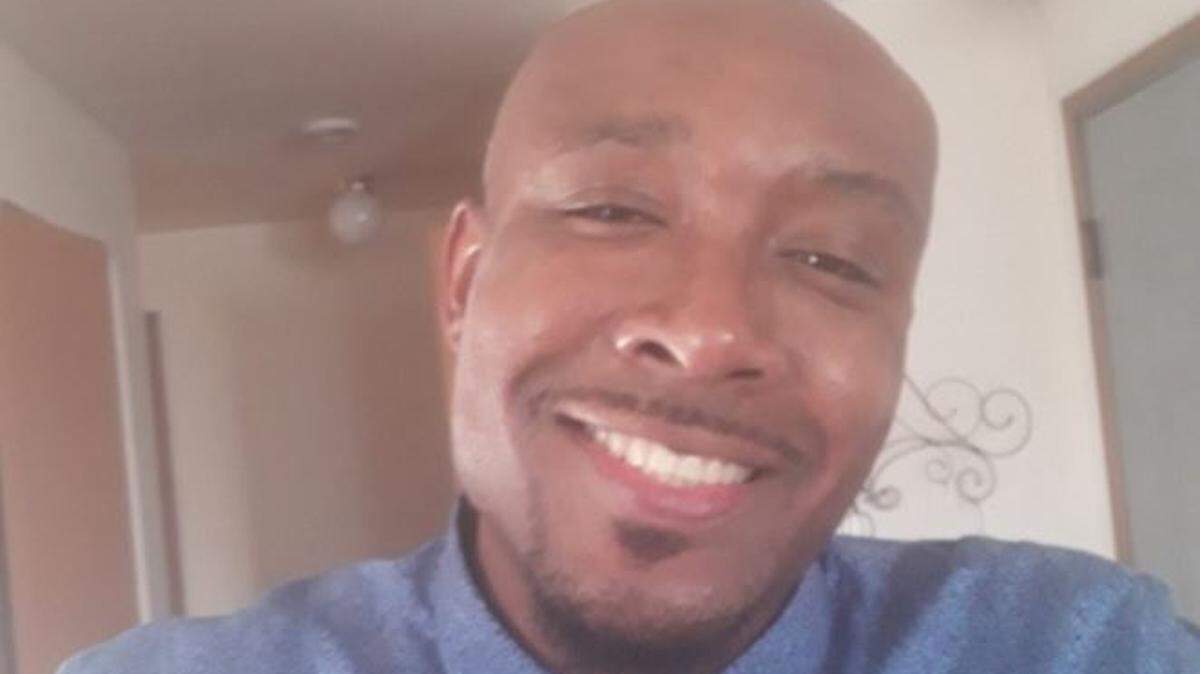
More than a year after Manuel Ellis died in police custody, the attorney general charged three officers in his death.
Expand All
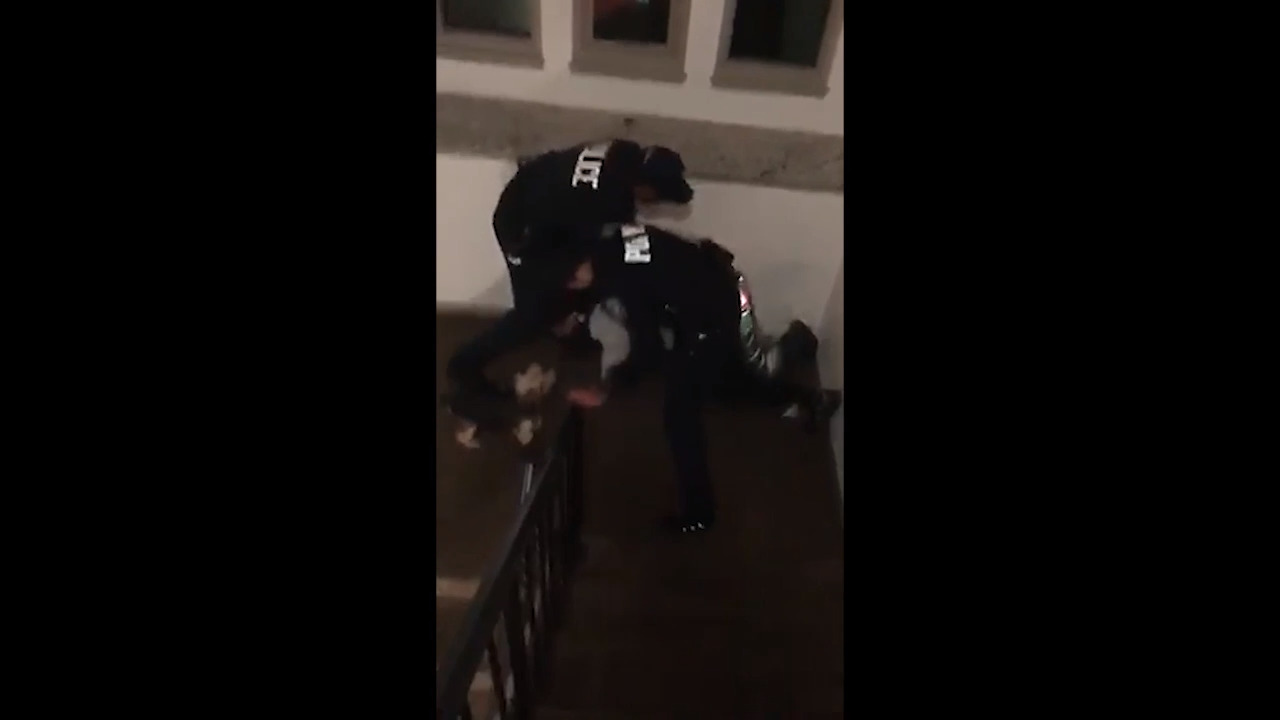
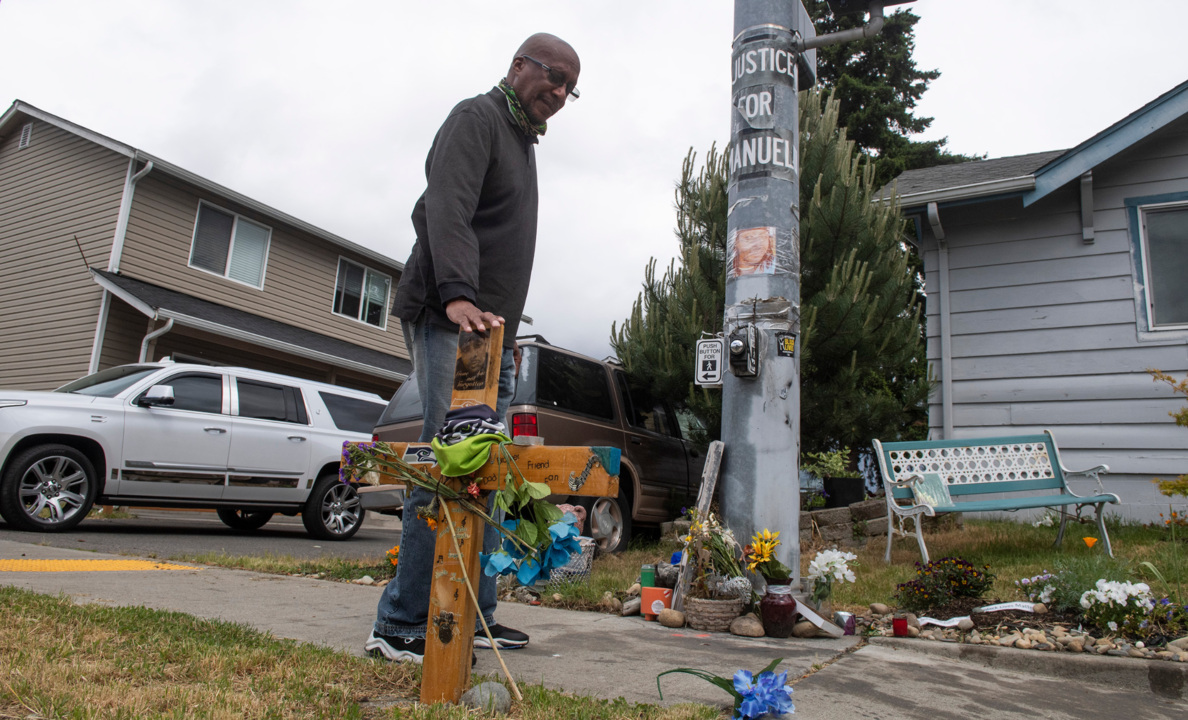
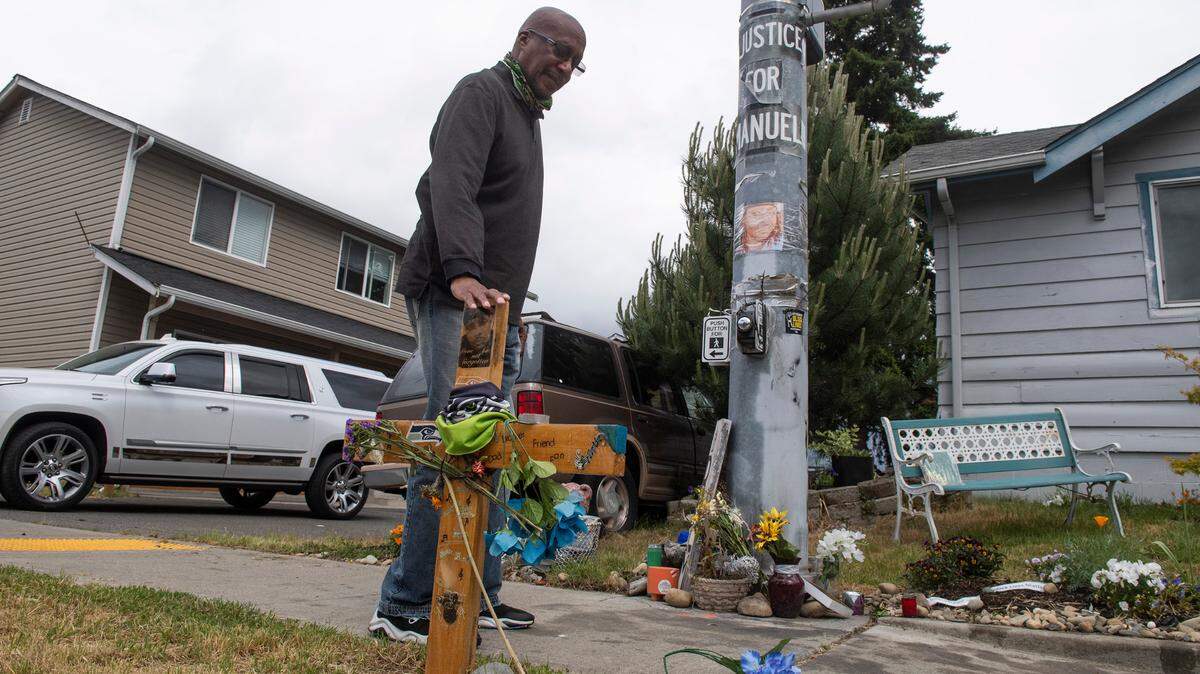
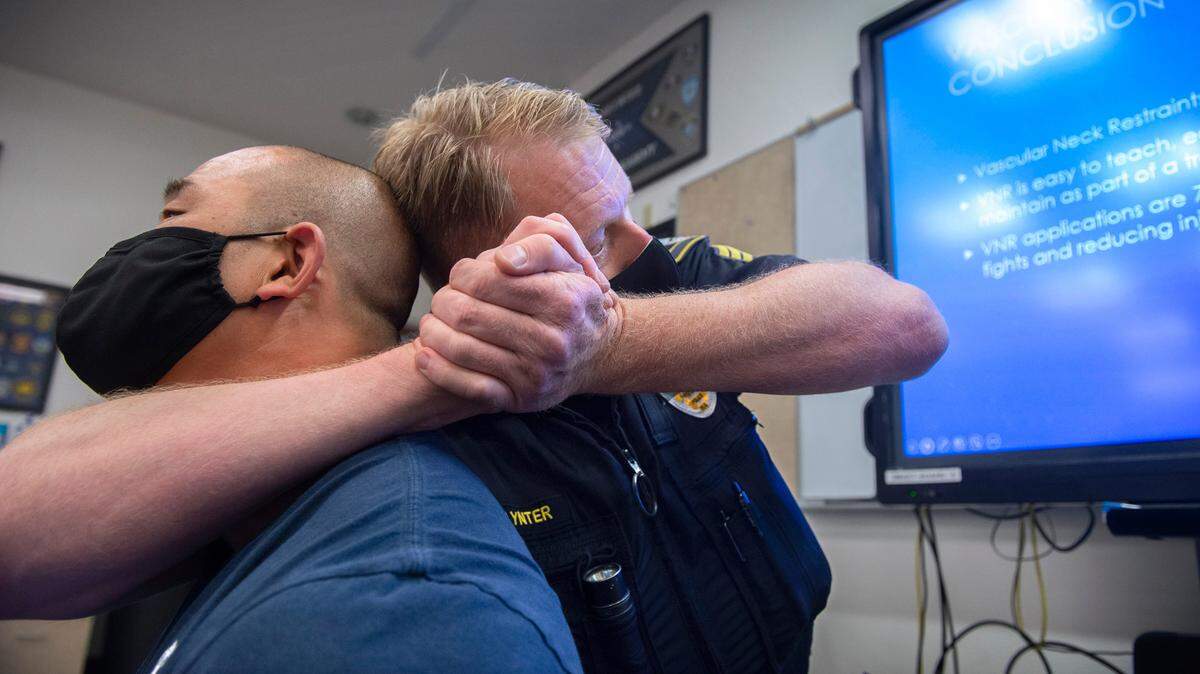
Many details in the charging papers released Thursday are chilling in their description of how Manuel Ellis died at the hands of police on a dark South Tacoma street.
Other details are chilling in their mundane observations — such as the box of donuts and bottle of water found near where Ellis was declared dead on the tragic night of March 3, 2020.
That’s when the 33-year-old Black man fought for his last breaths, hogtied and lying face down on the pavement with a fast-fading pulse. The documents that paint a stark picture were released as Washington Attorney General Bob Ferguson filed unprecedented felony charges against three Tacoma cops.
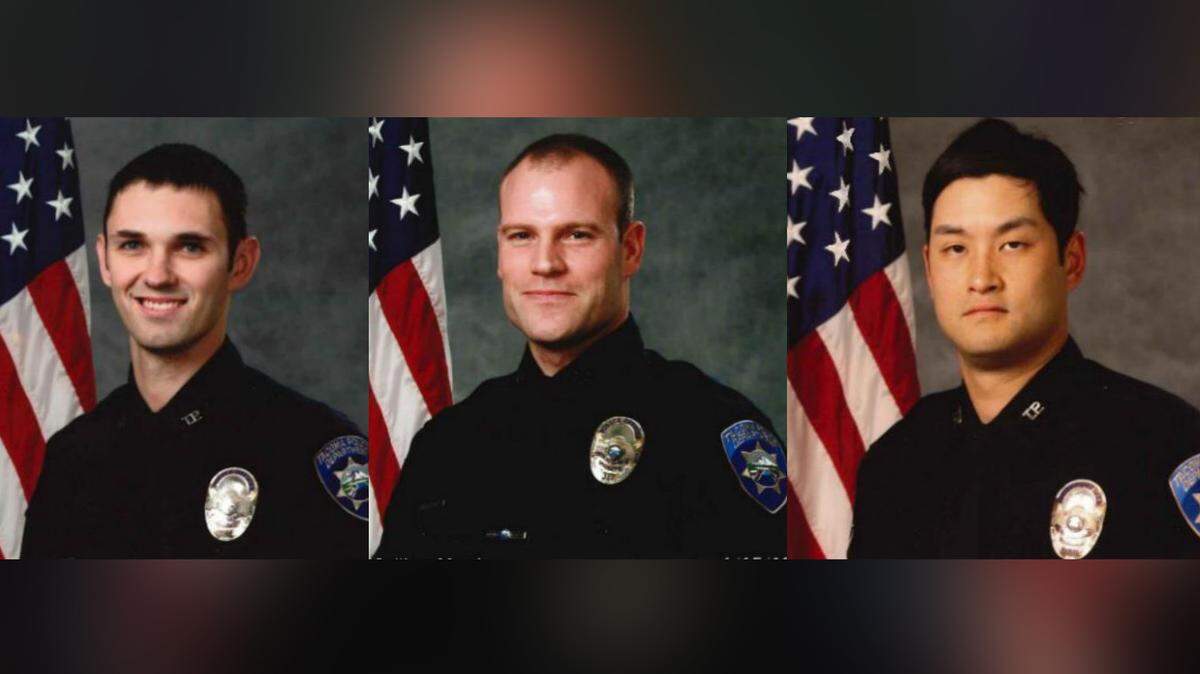
Such compelling details lend power to the probable cause documents released by Ferguson. They reveal the painstaking work that went into building a second-degree murder case against officers Christopher Burbank and Matthew Collins and first-degree manslaughter against officer Timothy Rankine. And they help explain why the AG’s office took so long to button up the homicide case they took over from Pierce County last year.
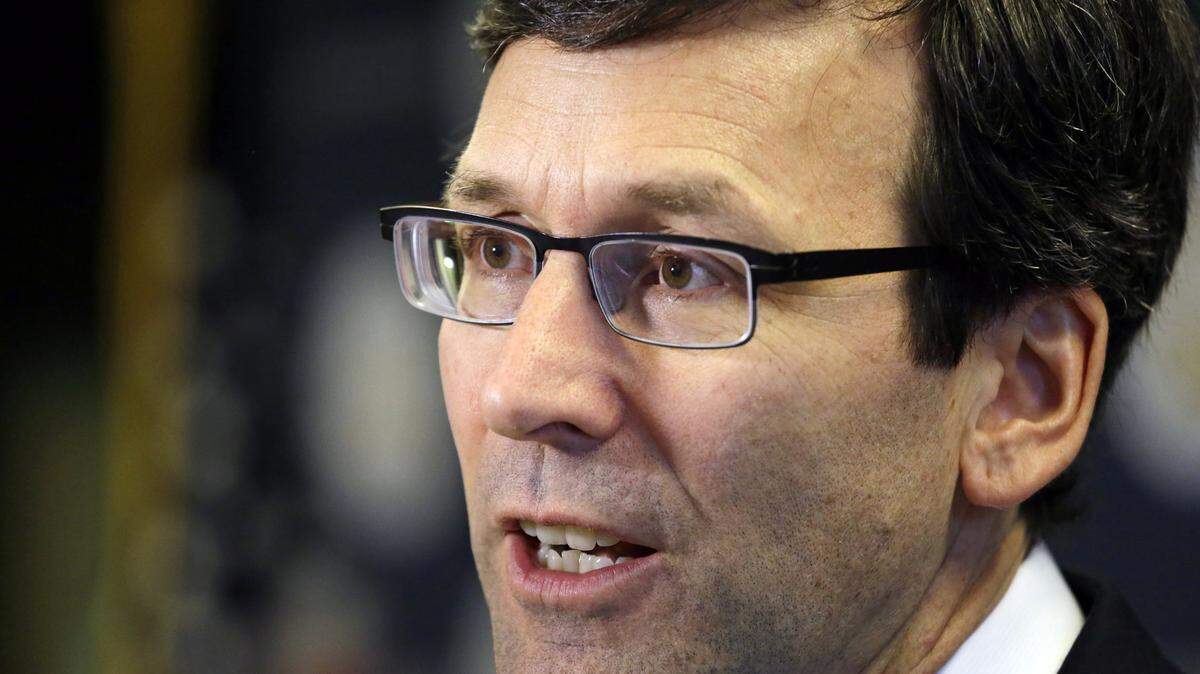
What shouldn’t be lost in Thursday’s long-awaited charging decision, however, is the unusually closed-off manner in which the AG’s office presented it to the public.
Avoiding an in-person announcement and releasing the decision by press release, website and social media channels was an unfortunate way to conclude a six-month review that followed six months of confusion.
A man is dead who didn’t need to die. There will never be satisfying answers for that. But the Ellis case demands the utmost transparency and accountability.
That means Ferguson should’ve stood in front of reporters and fielded every question thrown his way. There are missing pieces that the public would like to know, such as why no charges were filed against the other two Tacoma cops who were put on paid leave. And what about the officers’ claims in their defense, such as that Ellis was the aggressor and showed “superhuman” strength?
Surely Ferguson could have found a way to do that while abiding by the Rules of Professional Conduct.
The third-term Democratic AG, widely seen as the frontrunner to be Washington’s next governor, has never been shy about speaking in front of cameras. Today was an odd time to start.
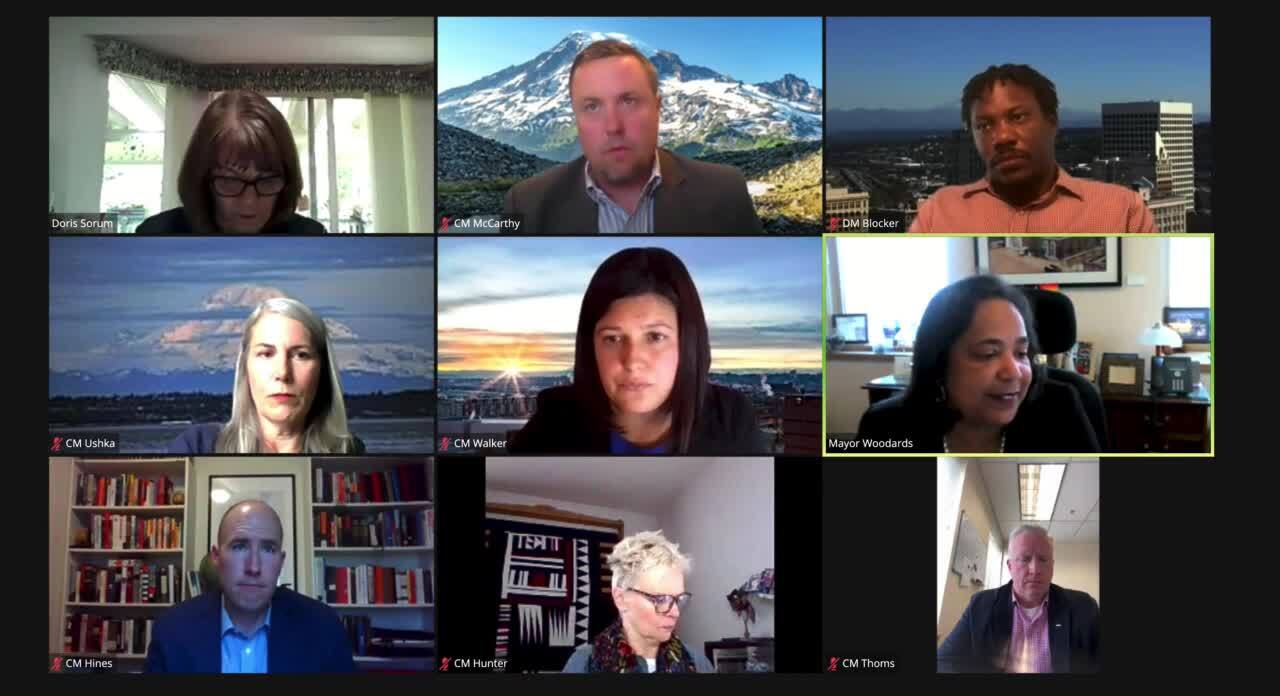
A parade of Tacoma and Pierce County public officials also went the prepared statement route rather than speaking in person, from the heart — a discouraging trend in public life.
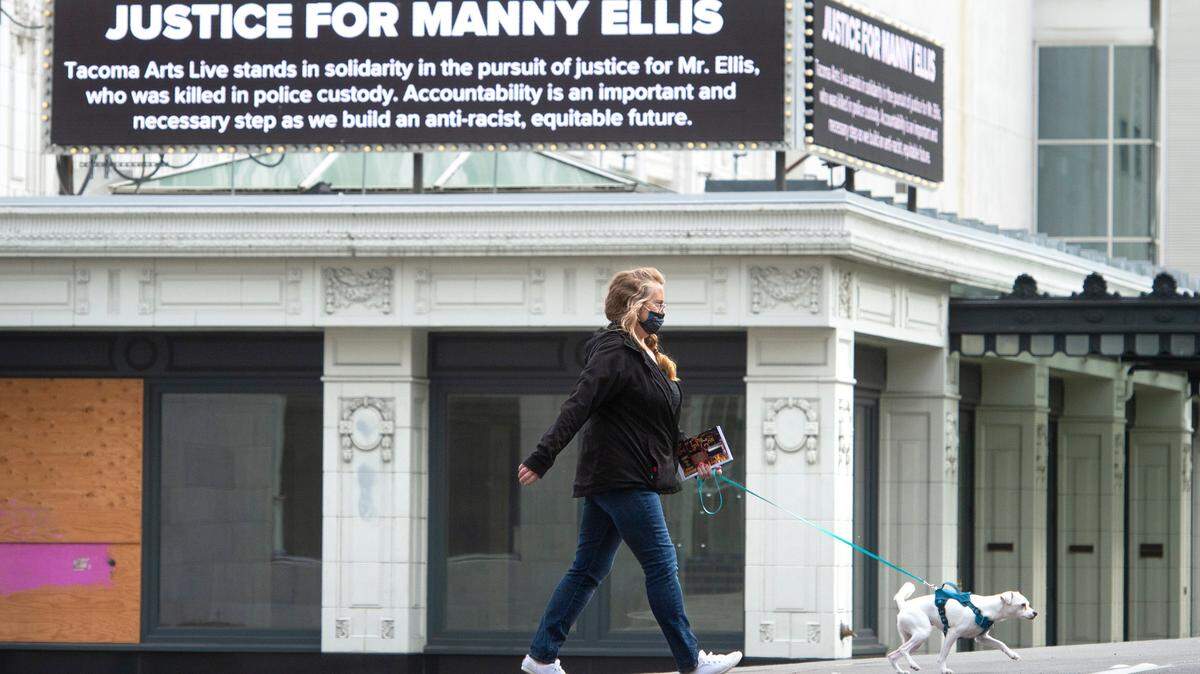
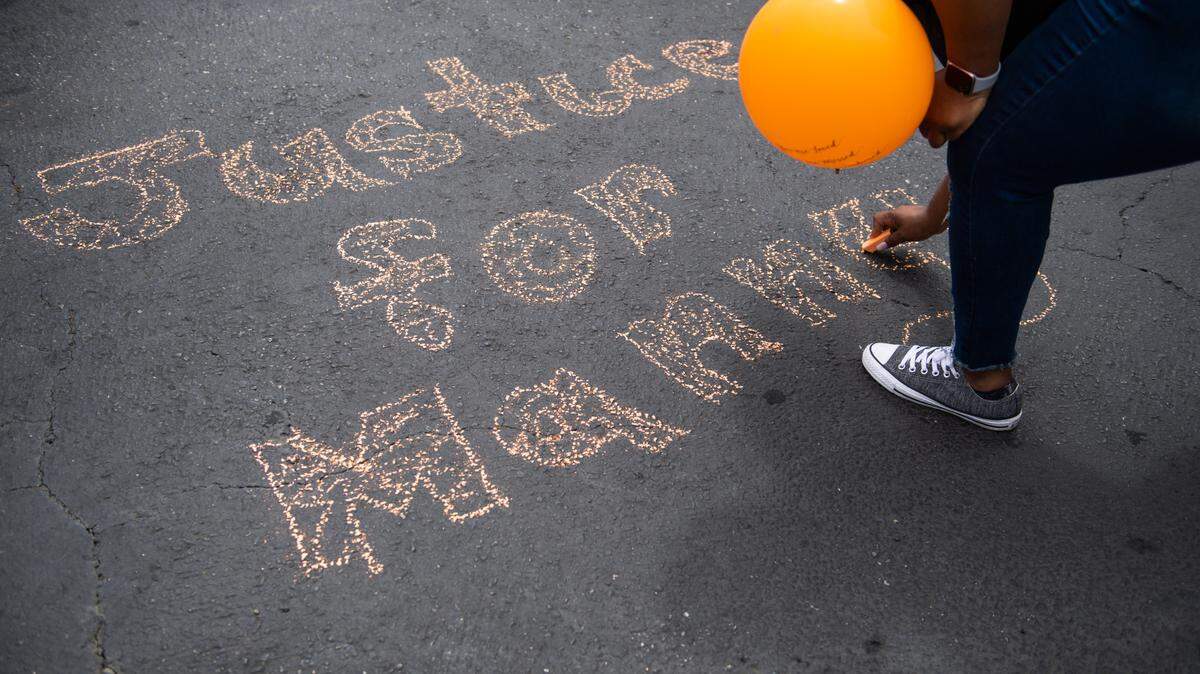
This isn’t just the climax of a harrowing case in which another Black man in America died at the hands of police, leaving his family devastated. It’s also a watershed moment in our city’s attempt to repair an increasingly broken circle of trust between people of color, public safety officers and elected leaders.
Consider a telling detail from one of the witness statements: A woman yells at her Black male companion to get back in the car after he jumped out; she later said she feared for his safety given what they were witnessing while their kids were in the backseat.
Make no mistake: Gov. Jay Inslee had good reason to wrest control of the Ellis case from Pierce County nearly one year ago. Any hope that the county could conduct an independent investigation fizzled once it came to light that a sheriff’s deputy was at the scene and helped restrain Ellis.
But when Ferguson accepted oversight for the state’s investigation, he also inherited a duty to be responsive to all stakeholders in this case — to the Ellis family, the officers and the city, first and foremost, but to the public that pays his salary as well.
One of the state’s leading government-transparency advocates echoes that sentiment. Mike Fancher, board president of Washington Council for Open Government (WCOG) and former executive editor of the Seattle Times, said it’s “unimaginable” that Ferguson wouldn’t hold a traditional press conference.
“The problem is that whatever questions don’t get expressed and answered are just going to fester, and that’s not healthy,” Fancher told us. “It almost suggests that there’s something they don’t want to talk about or be scrutinized, and that’s not healthy either.”
In fairness to Ferguson, having to take over a bungled county investigation and basically start from scratch was a major undertaking his office wasn’t set up to do.
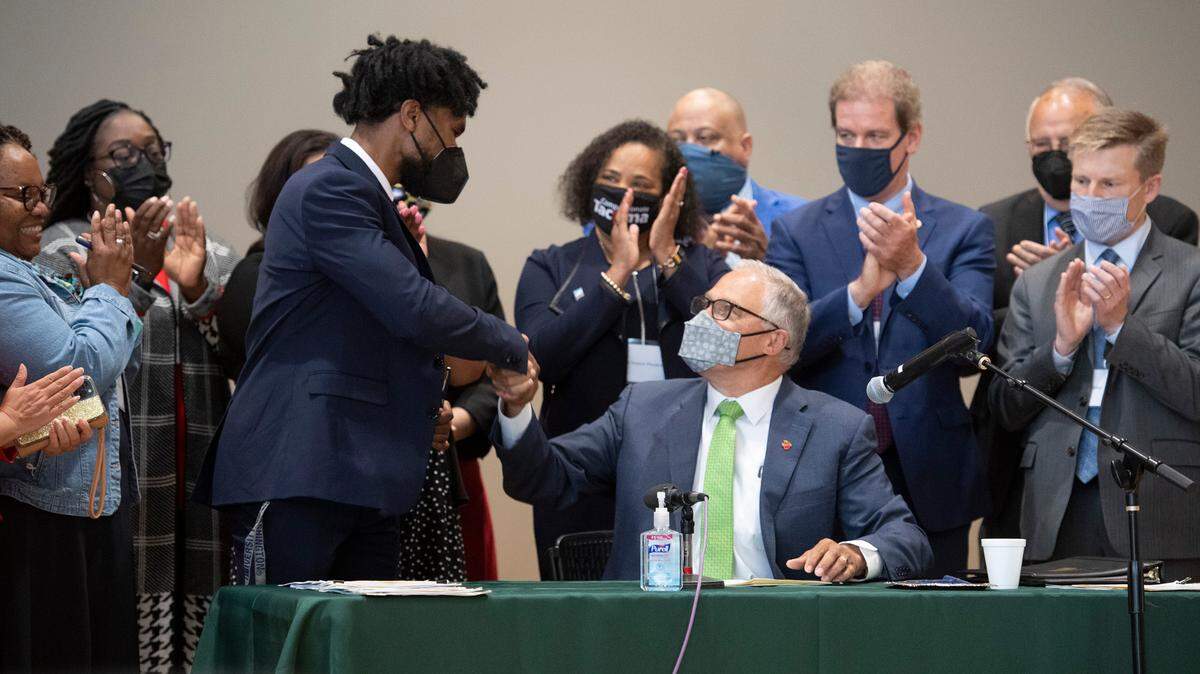
Thursday’s disappointing rollout of the charging decision underscores why Washington needs a full-time independent office to review police use-of-force cases for potentially criminal conduct, and why state lawmakers were wise to create one this year.
We’re encouraged that the first page of the new law states a key principle: “The office will be transparent and accountable for its work.” The next step is to put that into practice and install clear protocols for public communication — before, during and after an investigation.
That’s one of many lessons from the Ellis saga, a jumbled affair in which his family endured too much misery, Tacoma was left in limbo too long and too much was left to chance.
News Tribune editorials reflect the views of our Editorial Board and are written by opinion editor Matt Misterek. Other board members are: Stephanie Pedersen, News Tribune president and editor; Matt Driscoll, local columnist; and Jim Walton, community representative. The Editorial Board operates independently from the newsroom and does not influence the work of news reporting and editing staffs. For questions about the board or our editorials, email matt.misterek@thenewstribune.com
This story was originally published May 27, 2021 at 3:50 PM.